
Middleware Engineer Resume Examples
Middleware Engineer Resume Examples & Guide
Landing a Middleware Engineer role in today’s market is challenging. Applicant Tracking Systems (ATS) filter out countless resumes, and you face fierce competition. This guide provides Middleware Engineer resume examples tailored for entry-level, mid-level, and senior professionals, giving you the edge you need.
- Quantify Achievements: Use numbers to showcase the impact of your work, such as reduced latency or improved transaction speeds.
- Highlight Relevant Skills: Showcase expertise in specific middleware technologies, programming languages, and operating systems.
- Tailor to Job Description: Customize your resume for each application, emphasizing the skills and experience that align with the job requirements.
- Optimize for ATS: Use keywords from the job description and format your resume for readability by Applicant Tracking Systems.
- Use Action Verbs: Start each bullet point with strong action verbs to demonstrate your accomplishments and responsibilities.
- Showcase Integration Experience: Highlight experience integrating different systems and platforms using middleware technologies.
- Emphasize Problem-Solving: Illustrate your ability to identify and resolve middleware-related issues, ensuring smooth data flow and system performance.
Let’s explore some resume examples to get you started.
Explore editable Middleware Engineer resume examples by career stage. Each sample opens in the RockStarCV builder so you can study the structure and make your own version.
Entry-Level Middleware Engineer Resume (0-2 Years Experience)
Use these entry-level examples to compare the scope, evidence, and language expected for Middleware Engineer roles at this stage.
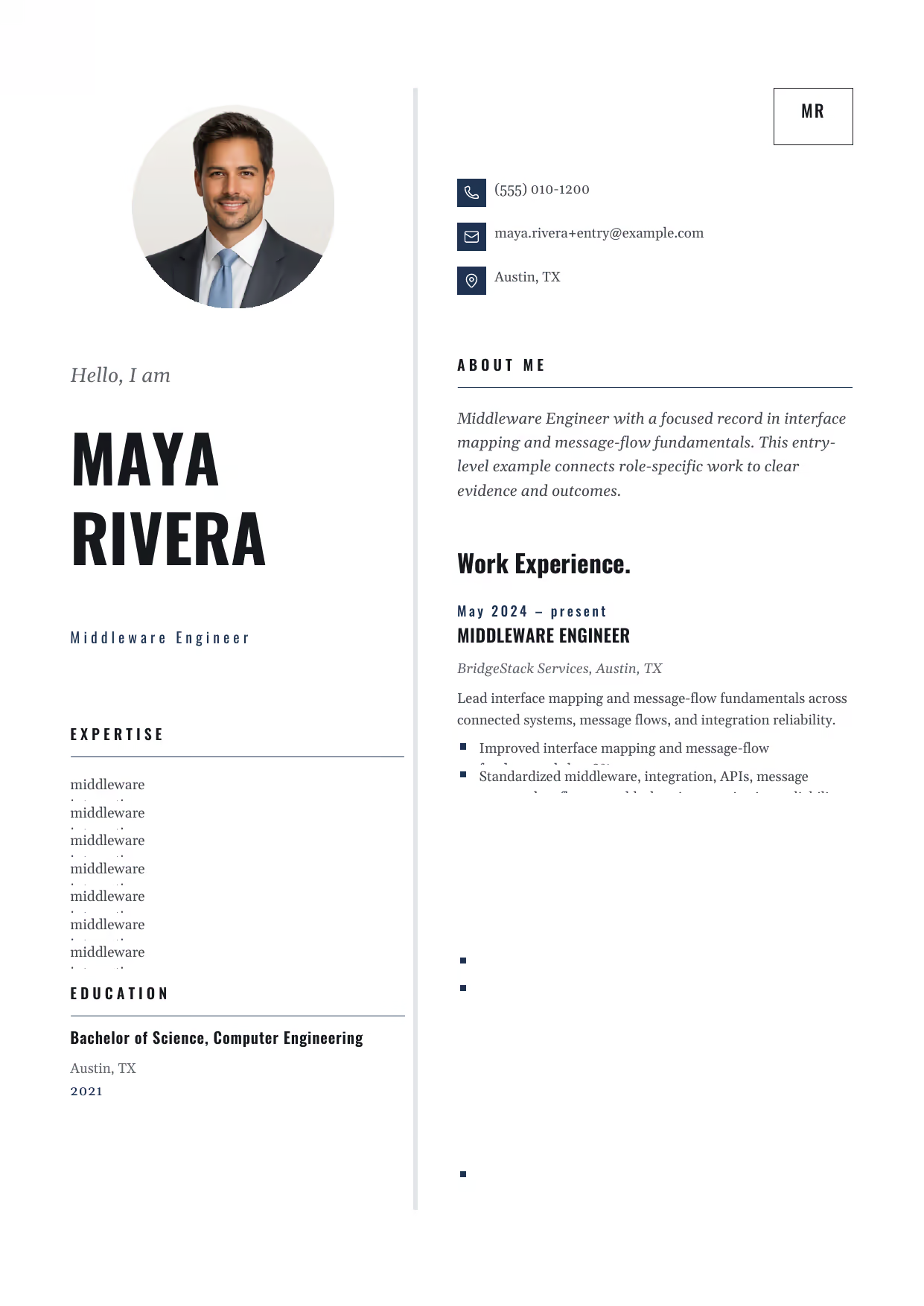
Middleware Engineer
A builder-ready entry-level Middleware Engineer example in the Equuleus template, showing stage-appropriate evidence in a focused, editable resume format.
- Editable role positioning in the Equuleus layout
- Role-specific evidence and delivery context
- Review the Equuleus structure with a clean visual hierarchy
View this resume
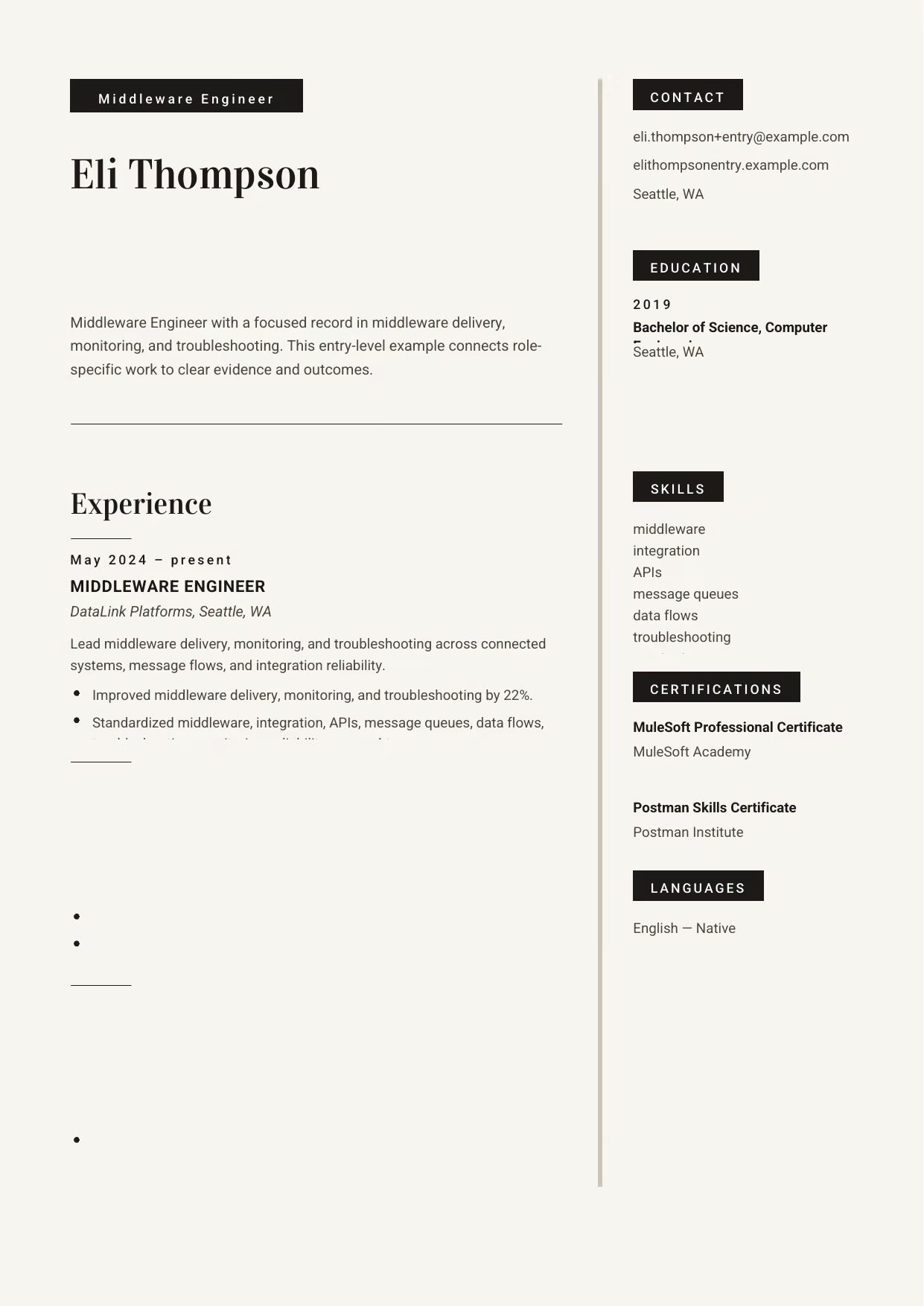
Middleware Engineer
A builder-ready entry-level Middleware Engineer example in the Aquila template, showing stage-appropriate evidence in a focused, editable resume format.
- Editable role positioning in the Aquila layout
- Role-specific evidence and delivery context
- Review the Aquila structure with a clean visual hierarchy
View this resume
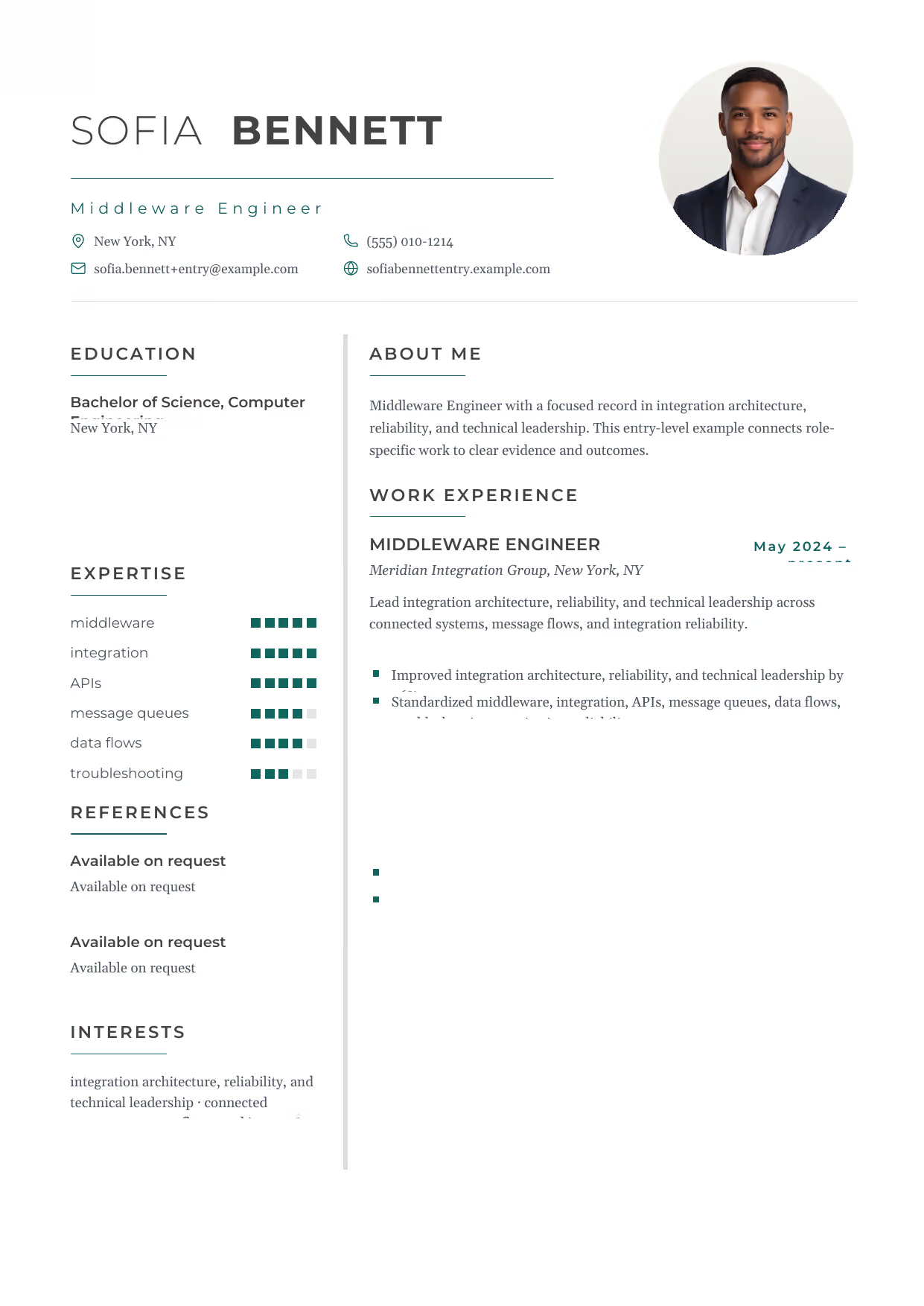
Middleware Engineer
A builder-ready entry-level Middleware Engineer example in the Achernar template, showing stage-appropriate evidence in a focused, editable resume format.
- Editable role positioning in the Achernar layout
- Role-specific evidence and delivery context
- Review the Achernar structure with a clean visual hierarchy
View this resume
Mid-Level Middleware Engineer Resume (3-7 Years Experience)
Use these mid-level examples to compare the scope, evidence, and language expected for Middleware Engineer roles at this stage.
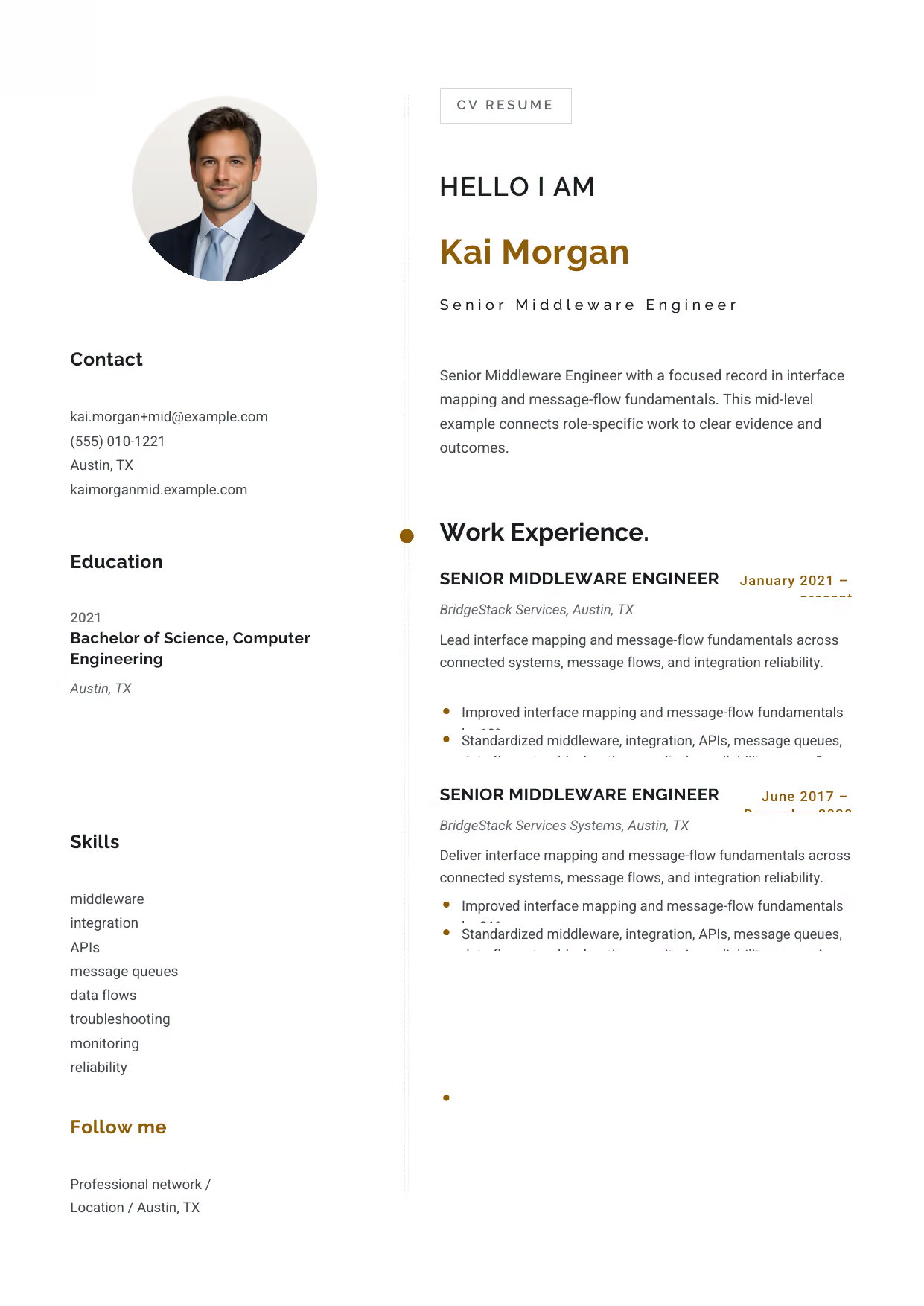
Senior Middleware Engineer
A builder-ready mid-level Middleware Engineer example in the Eridanus template, showing stage-appropriate evidence in a focused, editable resume format.
- Editable role positioning in the Eridanus layout
- Role-specific evidence and delivery context
- Review the Eridanus structure with a clean visual hierarchy
View this resume
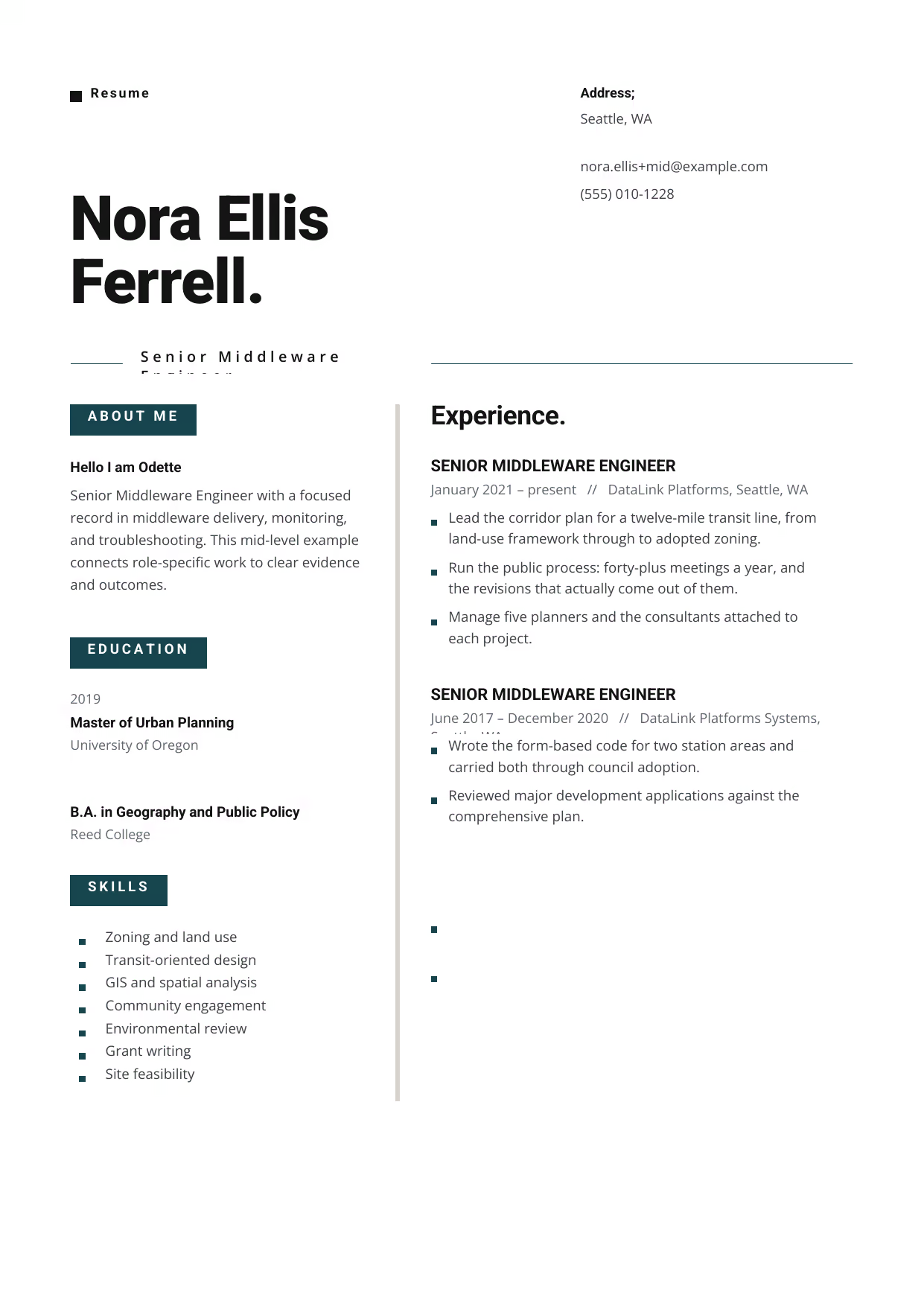
Senior Middleware Engineer
A builder-ready mid-level Middleware Engineer example in the Indus template, showing stage-appropriate evidence in a focused, editable resume format.
- Editable role positioning in the Indus layout
- Role-specific evidence and delivery context
- Review the Indus structure with a clean visual hierarchy
View this resume
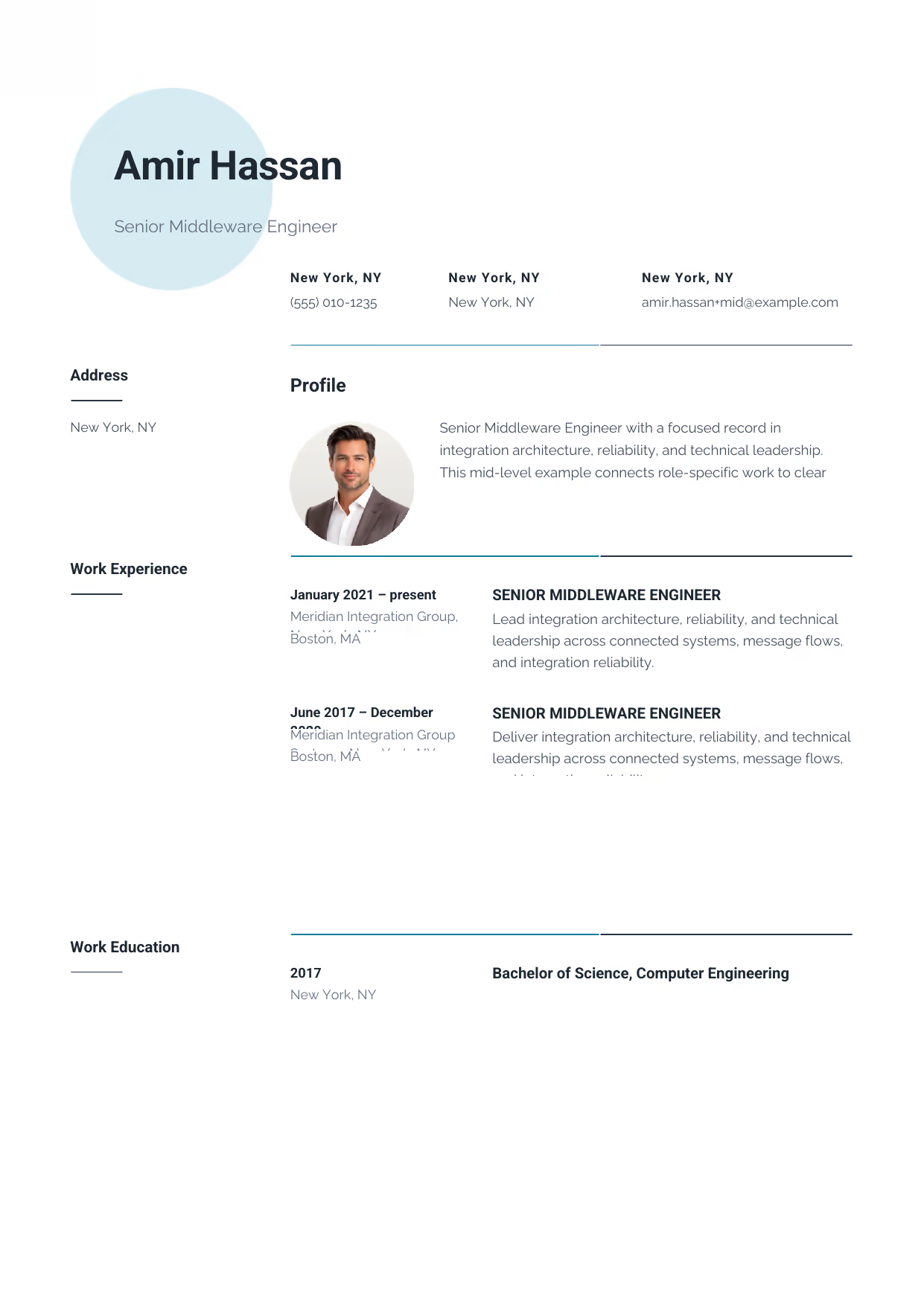
Senior Middleware Engineer
A builder-ready mid-level Middleware Engineer example in the Pavo template, showing stage-appropriate evidence in a focused, editable resume format.
- Editable role positioning in the Pavo layout
- Role-specific evidence and delivery context
- Review the Pavo structure with a clean visual hierarchy
View this resume
Senior Middleware Engineer Resume (8+ Years / Management)
Use these advanced examples to compare the scope, evidence, and language expected for Middleware Engineer roles at this stage.
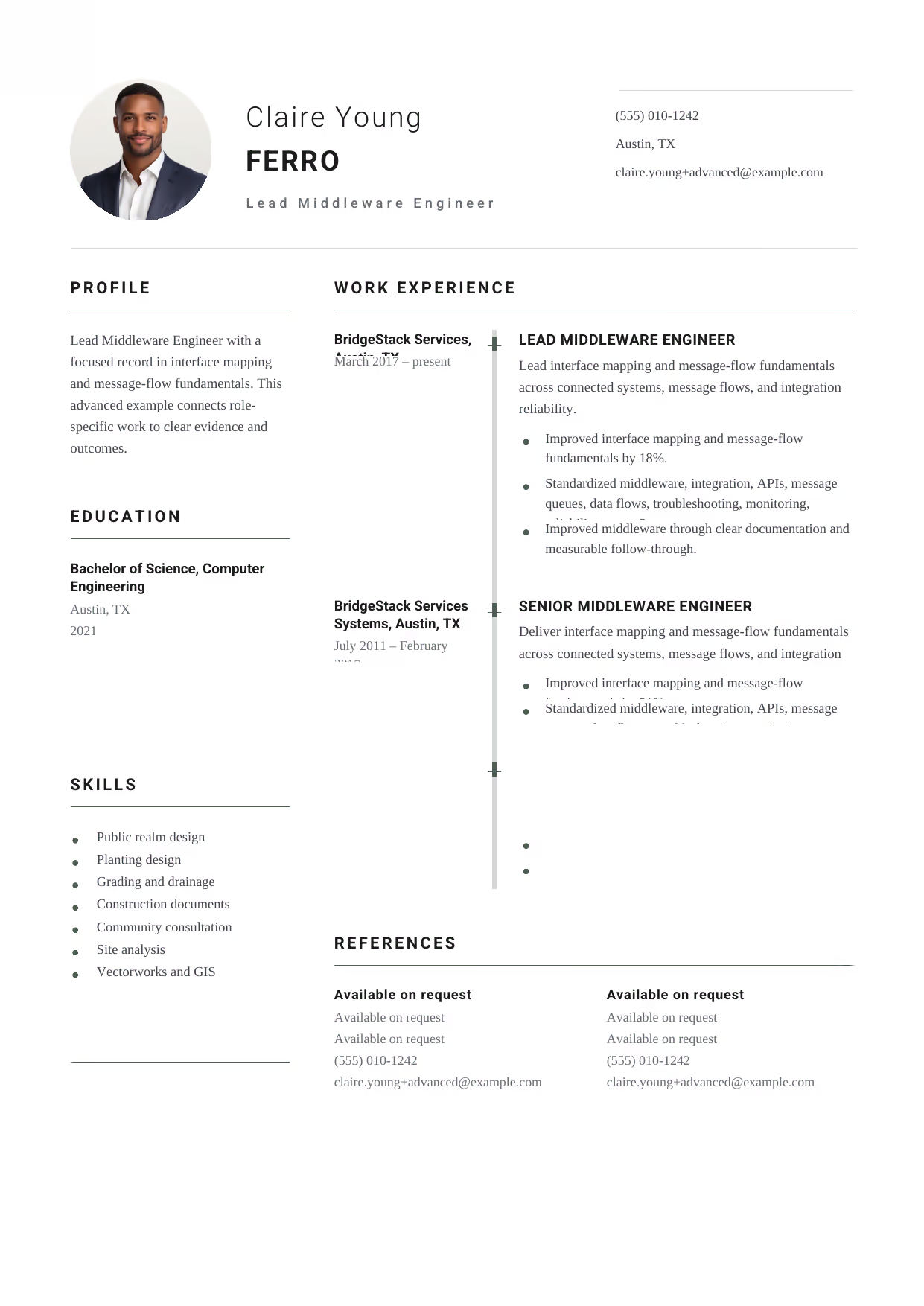
Lead Middleware Engineer
A builder-ready advanced Middleware Engineer example in the Puppis template, showing stage-appropriate evidence in a focused, editable resume format.
- Editable role positioning in the Puppis layout
- Role-specific evidence and delivery context
- Review the Puppis structure with a clean visual hierarchy
View this resume

Lead Middleware Engineer
A builder-ready advanced Middleware Engineer example in the Andromeda template, showing stage-appropriate evidence in a focused, editable resume format.
- Editable role positioning in the Andromeda layout
- Role-specific evidence and delivery context
- Review the Andromeda structure with a clean visual hierarchy
View this resume
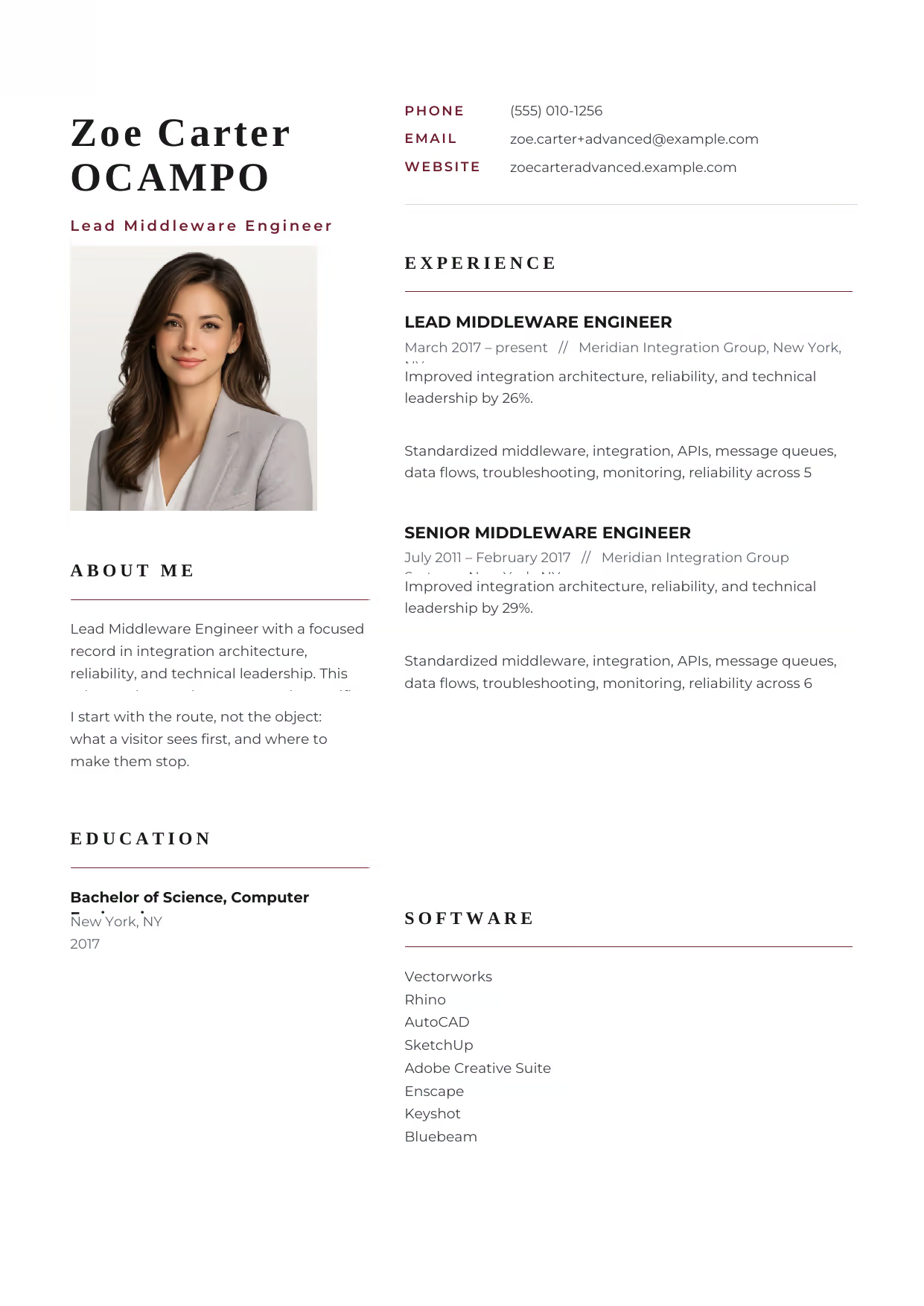
Lead Middleware Engineer
A builder-ready advanced Middleware Engineer example in the Hydra template, showing stage-appropriate evidence in a focused, editable resume format.
- Editable role positioning in the Hydra layout
- Role-specific evidence and delivery context
- Review the Hydra structure with a clean visual hierarchy
View this resume
How to Write a Middleware Engineer Resume
The Resume Summary
The resume summary is your first chance to make a strong impression. It should be a concise overview of your skills, experience, and career goals, tailored to the specific job you’re applying for. The formula is: [Years of Experience] + [Relevant Skills] + [Key Achievement or Goal]
Entry-Level Example: Highly motivated recent graduate with a strong understanding of API integration and message queuing. Eager to apply academic knowledge and problem-solving skills to contribute to a dynamic engineering team.
Mid-Level Example: Experienced Middleware Engineer with 5+ years of experience designing and implementing robust middleware solutions. Proven ability to optimize system performance and ensure seamless data flow.
Senior-Level Example: Results-oriented Senior Middleware Engineer with over 10 years of experience leading and managing complex middleware projects. Expertise in API management, cloud integration, and enterprise architecture.
Work Experience & Action Verbs
The work experience section is where you showcase your accomplishments and responsibilities. Focus on achievements rather than just listing duties. Use strong action verbs to demonstrate your impact.
Duties vs. Achievements: Instead of saying ‘Responsible for API integration,’ say ‘Integrated APIs with multiple systems, reducing integration time by 15%.’ Focus on the result, not just the task.
- Before: Responsible for data mapping.
After: Developed and implemented data mapping solutions, improving data accuracy by 20%. - Before: Assisted with system integration.
After: Led the integration of multiple systems, resulting in a 10% reduction in system downtime. - Before: Managed message queues.
After: Optimized message queue performance, increasing message throughput by 25%. - Before: Worked on API development.
After: Designed and developed RESTful APIs, reducing API latency by 15ms. - Before: Handled middleware configuration.
After: Automated middleware configuration, reducing configuration time by 30%.
Top Skills for Middleware Engineers
Here’s a breakdown of essential skills for Middleware Engineers:
Hard Skills
- API Development
- System Integration
- Message Broker Configuration
- Data Mapping
- Cloud Integration
- Microservices
- DevOps
Soft Skills
- Problem-Solving
- Communication
- Teamwork
- Analytical Skills
- Attention to Detail
- Time Management
Tools/Software
- IBM Integration Bus
- MuleSoft Anypoint Platform
- Apache Kafka
- RabbitMQ
- AWS Services
- Azure Services
- Docker
- Kubernetes
Education & Certifications
List your education in reverse chronological order. For recent graduates, include relevant coursework. For experienced professionals, focus on certifications and advanced degrees.
Required or Recommended Certifications:
- TOGAF
- AWS Certified Solutions Architect
- Azure Solutions Architect Expert
- Certified Integration Professional (CIP)
10 Common Middleware Engineer Resume Mistakes
-
Lack of Quantifiable Achievements:Failing to quantify your accomplishments makes it difficult for recruiters to assess your impact. Replace generic statements with metrics-driven bullet points that demonstrate your value, such as ‘Reduced API latency by 20ms.’
-
Ignoring ATS Optimization:Neglecting to optimize your resume for Applicant Tracking Systems (ATS) can result in your resume being overlooked. Use keywords from the job description and avoid using tables or images that the ATS may not be able to parse.
-
Listing Duties Instead of Impact:Recruiters know what a Middleware Engineer does; they want to know how well you did it. Replace passive phrases like ‘Responsible for API integration’ with quantified wins like ‘Integrated APIs with multiple systems, reducing integration time by 15%.’
-
Failing to Tailor to the Job Description:A generic resume is unlikely to impress recruiters. Customize your resume for each application, emphasizing the skills and experience that align with the specific job requirements.
-
Omitting Relevant Skills:Leaving out key skills can make you appear less qualified than you are. Include a comprehensive list of your technical skills, including programming languages, middleware technologies, and operating systems.
-
Poor Formatting and Readability:A poorly formatted resume can be difficult to read and may turn off recruiters. Use a clean and professional layout, with clear headings and bullet points.
-
Typos and Grammatical Errors:Typos and grammatical errors can make you appear unprofessional and careless. Proofread your resume carefully before submitting it.
-
Inconsistent Verb Tense:Using inconsistent verb tenses can make your resume confusing and difficult to read. Use past tense for previous jobs and present tense for your current job.
-
Lack of a Summary or Objective:A summary or objective statement can help you highlight your key skills and career goals. Include a concise and compelling summary that grabs the reader’s attention.
-
Not Showcasing Problem-Solving Skills:Middleware Engineers are often required to solve complex problems. Highlight your problem-solving skills by providing specific examples of how you have resolved middleware-related issues.
Frequently Asked Questions (Middleware Engineer)
In conclusion, crafting a compelling Middleware Engineer resume requires careful attention to detail and a strategic approach. By following the tips and examples in this guide, you can create a resume that showcases your skills, experience, and achievements, and helps you land your dream job. Search more Middleware Engineer resources on our site to further refine your application materials.



Keep Exploring! There’s More to Discover:
