
Integration Engineer Resume Examples
Integration Engineer Resume Examples & Guide
Landing an Integration Engineer role in today’s market can be tough. Applicant Tracking Systems (ATS) filter out countless resumes, and the competition is fierce. This guide offers Integration Engineer resume examples for every experience level, providing the strategies you need to stand out.
- Quantify Achievements: Use numbers to showcase the impact of your contributions.
- Highlight Relevant Skills: Emphasize skills in API management, data mapping, and cloud technologies.
- Tailor to Job Description: Customize your resume to match the specific requirements of each job.
- Optimize for ATS: Use keywords from the job description to ensure your resume passes ATS scans.
- Use Action Verbs: Start each bullet point with strong action verbs to describe your accomplishments.
- Showcase Problem-Solving: Illustrate your ability to overcome integration challenges.
Ready to see how these tips translate into a winning resume? Let’s dive into some examples.
Explore editable Integration Engineer resume examples by career stage. Each sample opens in the RockStarCV builder so you can study the structure and make your own version.
Entry-Level Integration Engineer Resume (0-2 Years Experience)
Use these entry-level examples to compare the scope, evidence, and language expected for Integration Engineer roles at this stage.
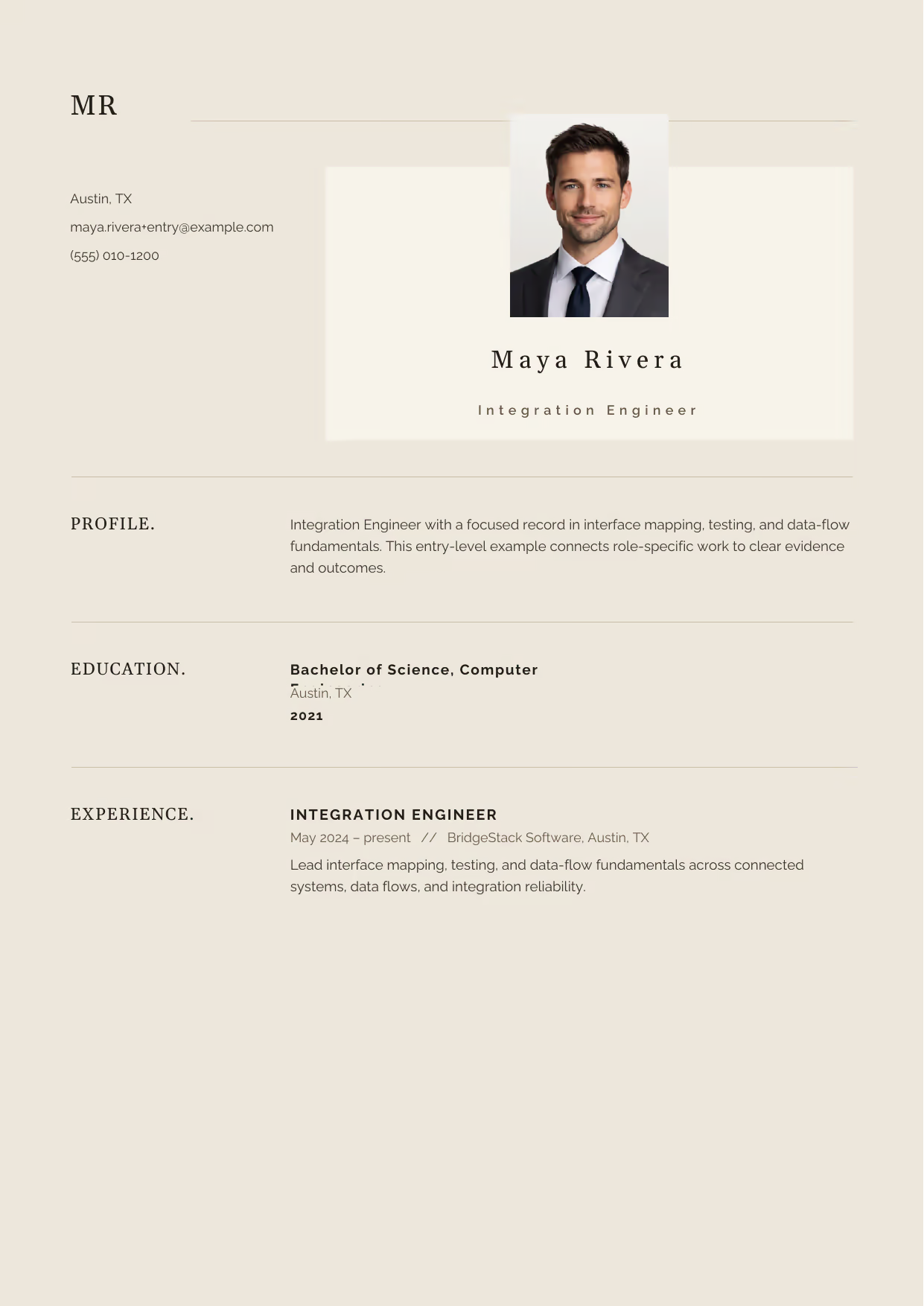
Integration Engineer
A builder-ready entry-level Integration Engineer example in the Norma template, showing stage-appropriate evidence in a focused, editable resume format.
- Editable role positioning in the Norma layout
- Role-specific evidence and delivery context
- Review the Norma structure with a clean visual hierarchy
View this resume
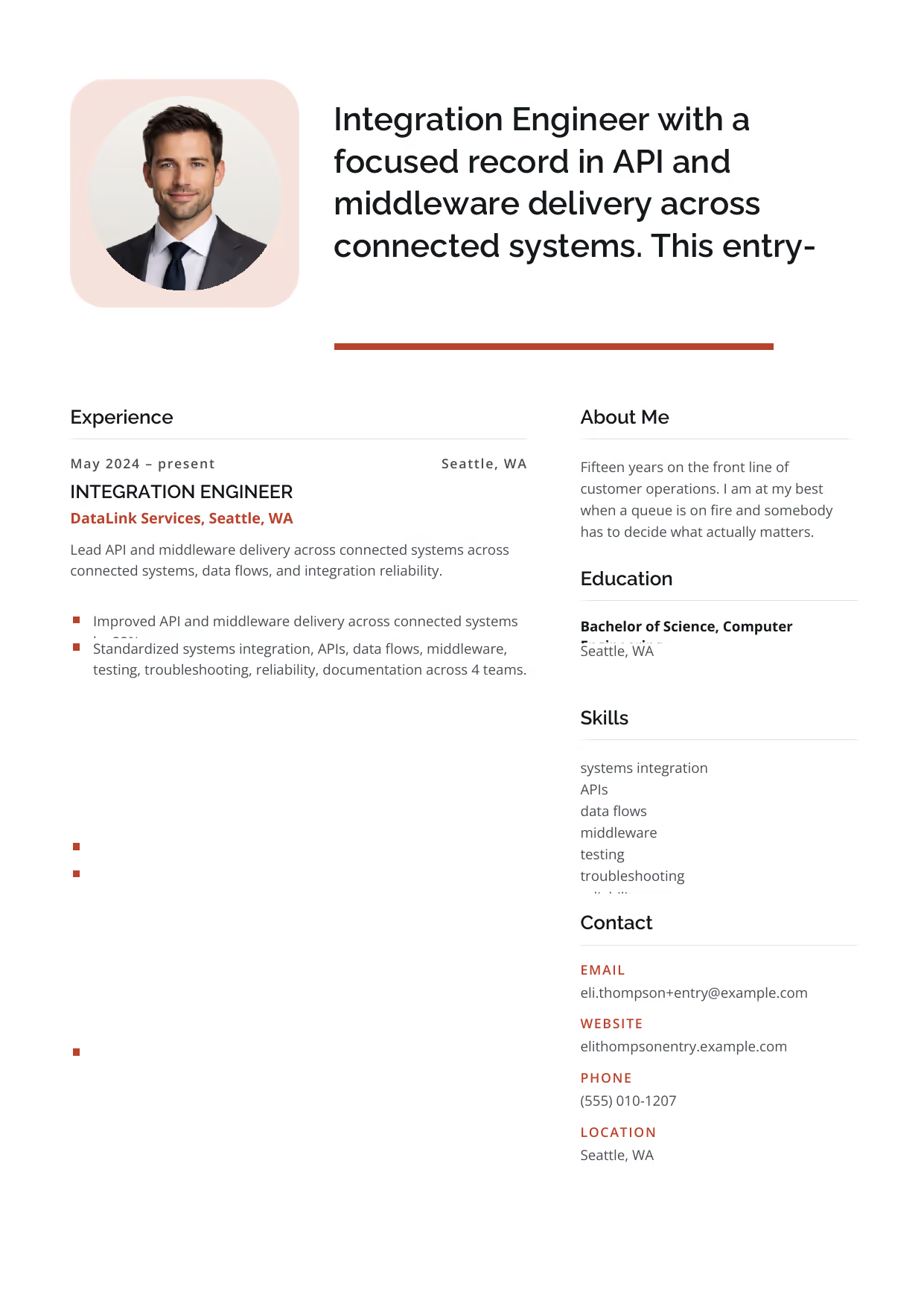
Integration Engineer
A builder-ready entry-level Integration Engineer example in the Andromeda template, showing stage-appropriate evidence in a focused, editable resume format.
- Editable role positioning in the Andromeda layout
- Role-specific evidence and delivery context
- Review the Andromeda structure with a clean visual hierarchy
View this resume
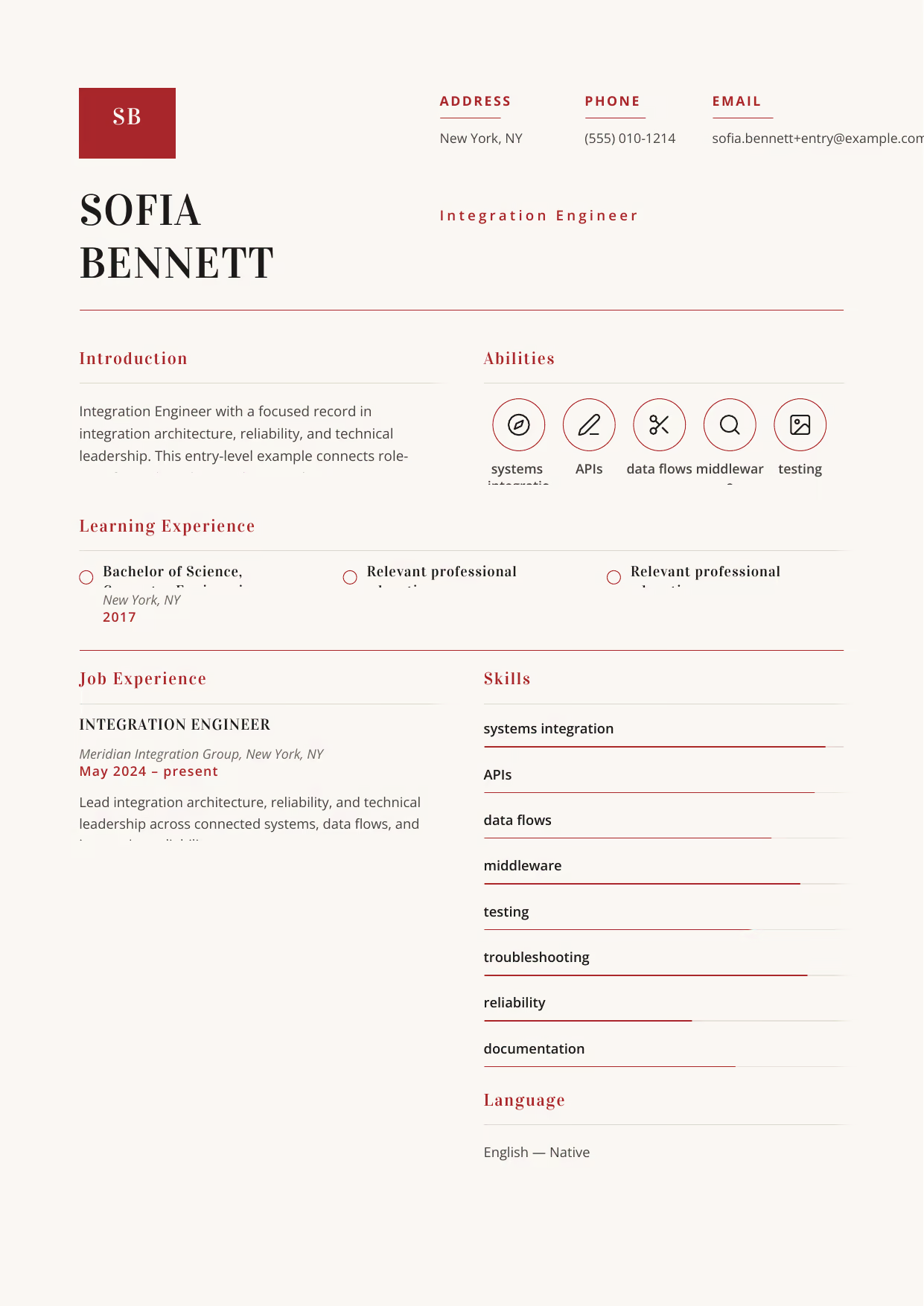
Integration Engineer
A builder-ready entry-level Integration Engineer example in the Delphinus template, showing stage-appropriate evidence in a focused, editable resume format.
- Editable role positioning in the Delphinus layout
- Role-specific evidence and delivery context
- Review the Delphinus structure with a clean visual hierarchy
View this resume
Mid-Level Integration Engineer Resume (3-7 Years Experience)
Use these mid-level examples to compare the scope, evidence, and language expected for Integration Engineer roles at this stage.
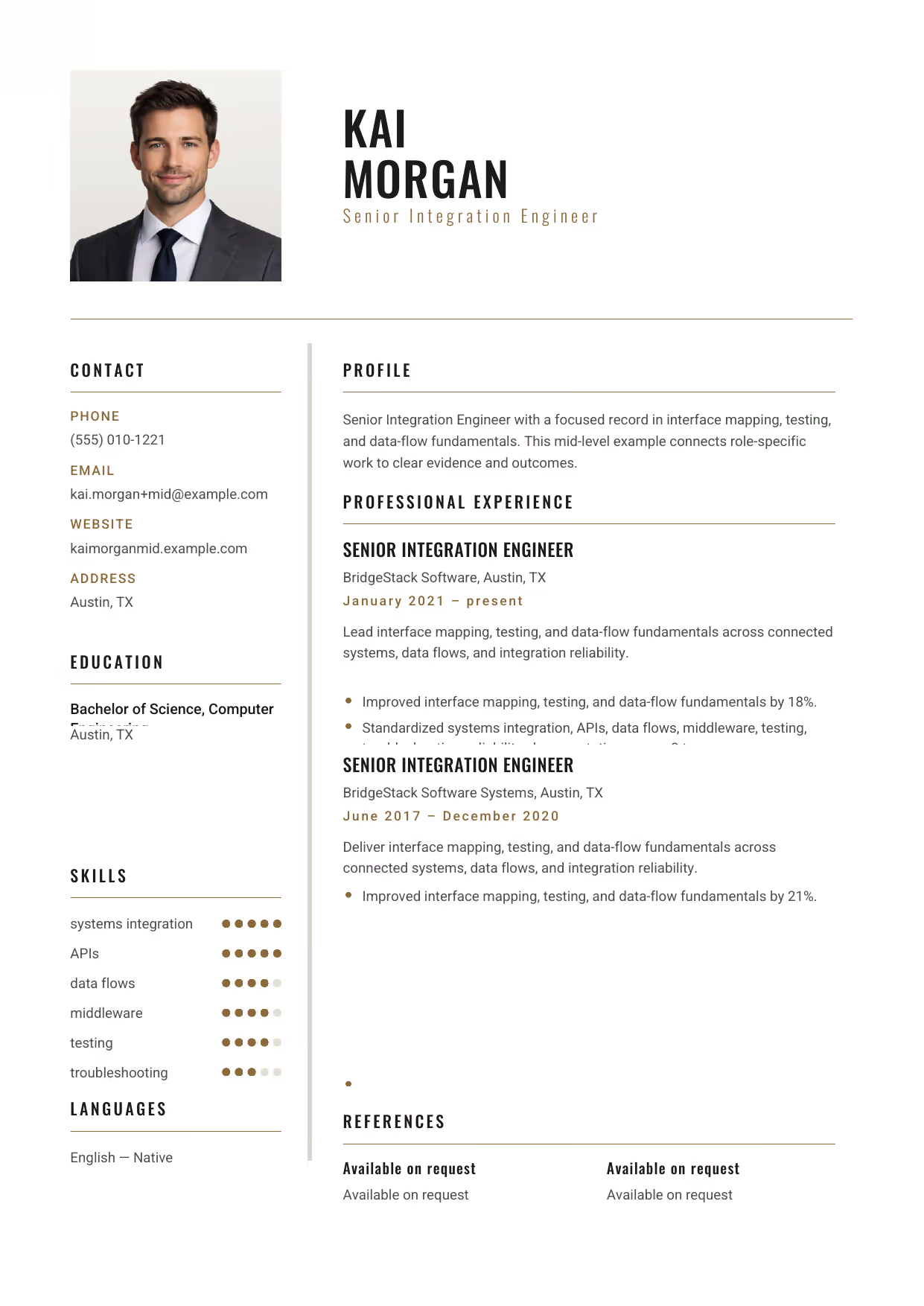
Senior Integration Engineer
A builder-ready mid-level Integration Engineer example in the Acamar template, showing stage-appropriate evidence in a focused, editable resume format.
- Editable role positioning in the Acamar layout
- Role-specific evidence and delivery context
- Review the Acamar structure with a clean visual hierarchy
View this resume
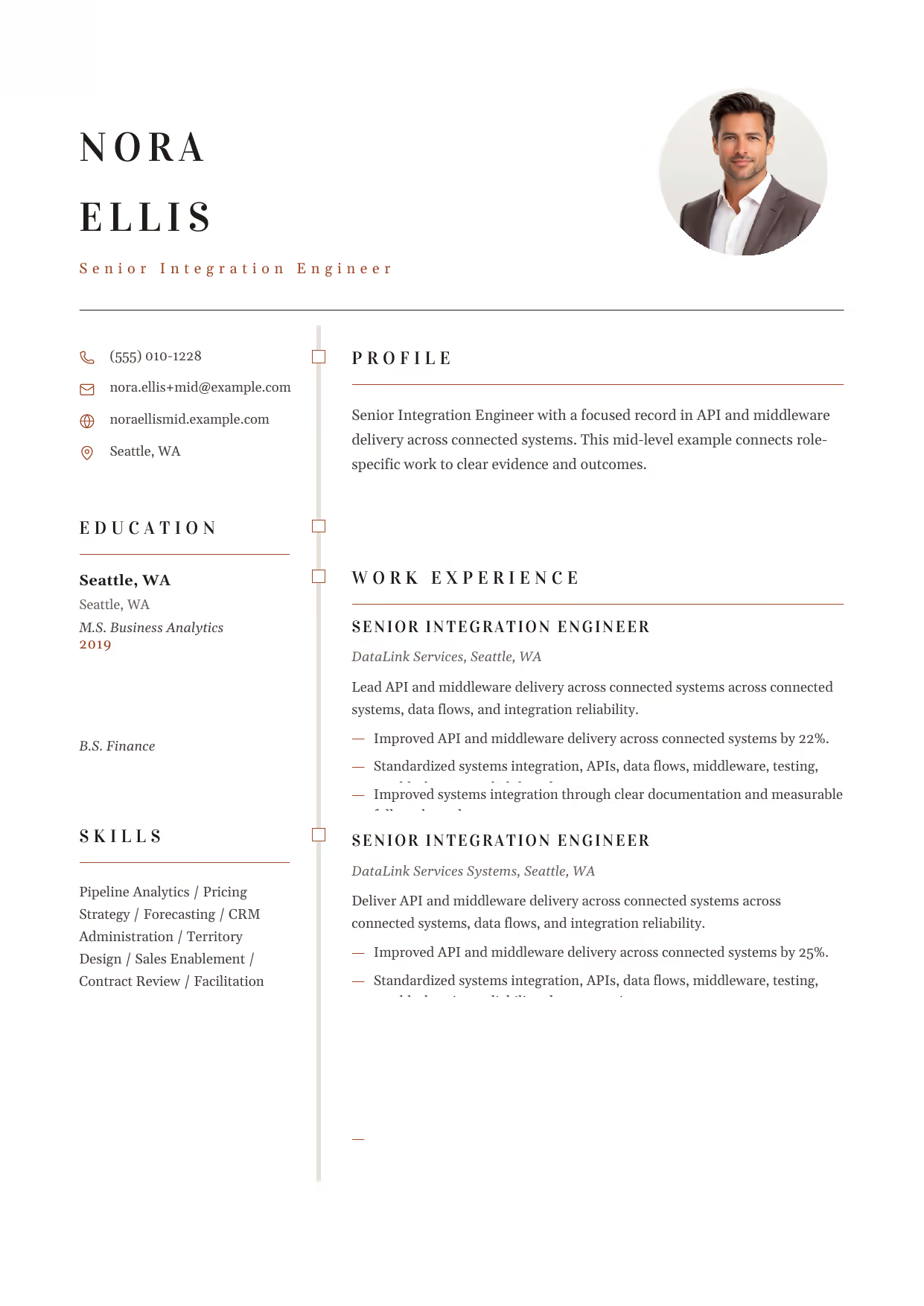
Senior Integration Engineer
A builder-ready mid-level Integration Engineer example in the Draco template, showing stage-appropriate evidence in a focused, editable resume format.
- Editable role positioning in the Draco layout
- Role-specific evidence and delivery context
- Review the Draco structure with a clean visual hierarchy
View this resume

Senior Integration Engineer
A builder-ready mid-level Integration Engineer example in the Equuleus template, showing stage-appropriate evidence in a focused, editable resume format.
- Editable role positioning in the Equuleus layout
- Role-specific evidence and delivery context
- Review the Equuleus structure with a clean visual hierarchy
View this resume
Senior Integration Engineer Resume (8+ Years / Management)
Use these advanced examples to compare the scope, evidence, and language expected for Integration Engineer roles at this stage.
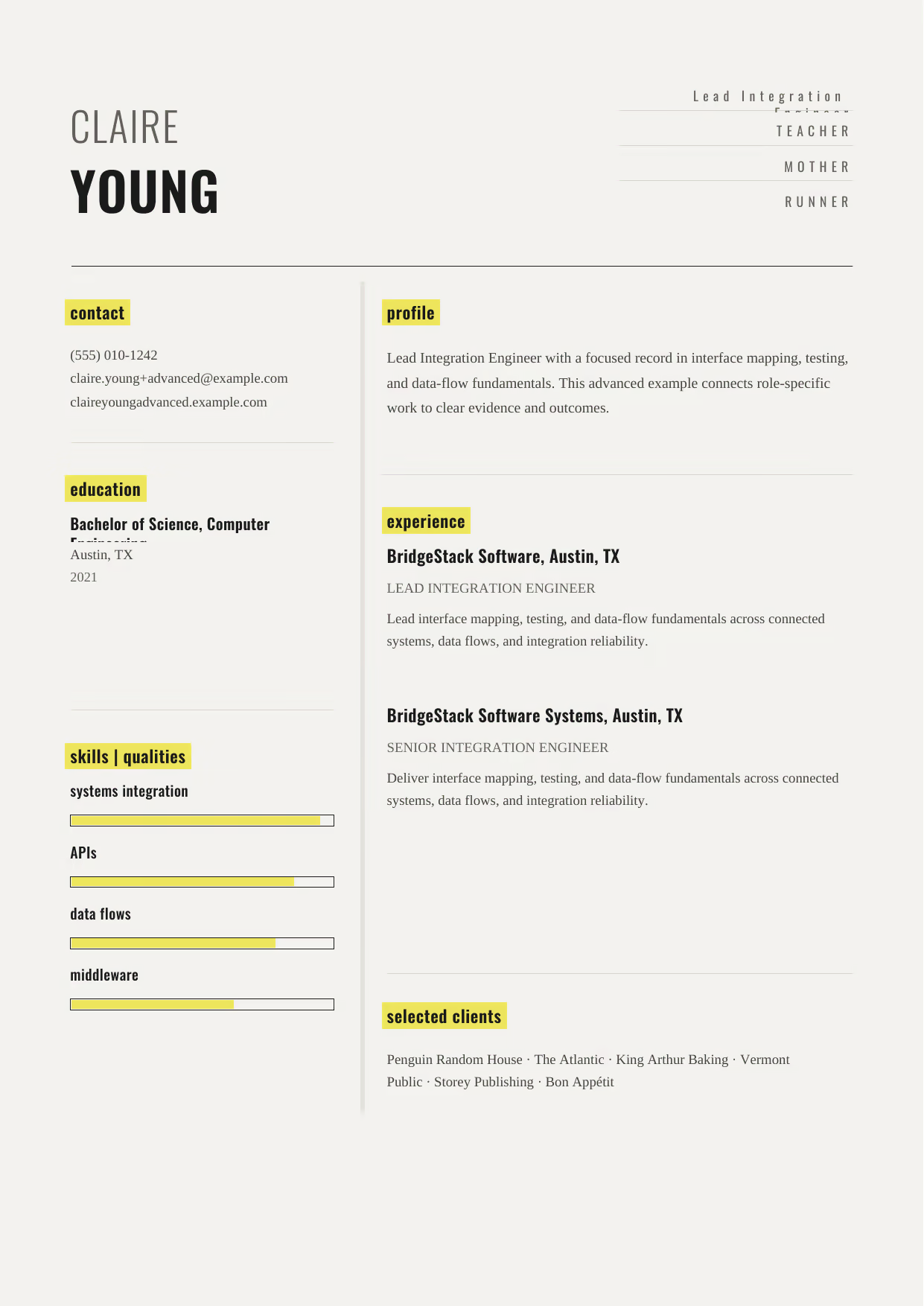
Lead Integration Engineer
A builder-ready advanced Integration Engineer example in the Dorado template, showing stage-appropriate evidence in a focused, editable resume format.
- Editable role positioning in the Dorado layout
- Role-specific evidence and delivery context
- Review the Dorado structure with a clean visual hierarchy
View this resume

Lead Integration Engineer
A builder-ready advanced Integration Engineer example in the Caelum template, showing stage-appropriate evidence in a focused, editable resume format.
- Editable role positioning in the Caelum layout
- Role-specific evidence and delivery context
- Review the Caelum structure with a clean visual hierarchy
View this resume

Lead Integration Engineer
A builder-ready advanced Integration Engineer example in the Pegasus template, showing stage-appropriate evidence in a focused, editable resume format.
- Editable role positioning in the Pegasus layout
- Role-specific evidence and delivery context
- Review the Pegasus structure with a clean visual hierarchy
View this resume
How to Write a Integration Engineer Resume
The Resume Summary
The resume summary is your first chance to grab the recruiter’s attention. It should provide a concise overview of your skills, experience, and career goals.
Formula: [Years of Experience] + [Job Title] + [Key Skills] + [Quantifiable Achievement] + [Career Goal]
Entry-Level Example: Entry-level Integration Engineer with a strong foundation in data structures and algorithms, seeking to apply problem-solving skills to contribute to seamless system integration.
Mid-Level Example: Results-driven Integration Engineer with 5+ years of experience in designing and implementing integration solutions, improving data integration efficiency by 25%, seeking to drive business growth.
Senior Example: Highly experienced Senior Integration Engineer with 10+ years of experience in leading complex integration projects, managing a budget of $1M+, seeking to drive innovation and optimize processes.
Work Experience & Action Verbs
The work experience section is where you showcase your accomplishments and demonstrate your value to potential employers. Focus on achievements rather than just listing duties.
Instead of simply describing what you did, highlight the impact of your actions and quantify your results whenever possible.
- Before: Responsible for API development. After: Developed RESTful APIs that reduced integration time by 30%.
- Before: Managed data mapping processes. After: Automated data mapping processes, reducing manual effort by 40%.
- Before: Worked with cloud integration technologies. After: Implemented cloud-based integration solutions using AWS and Azure, reducing infrastructure costs by 15%.
- Before: Resolved integration issues. After: Resolved critical integration issues, improving system stability by 20%.
- Before: Collaborated with cross-functional teams. After: Collaborated with cross-functional teams to design and implement integration solutions, resulting in a 25% improvement in data flow.
Top Skills for Integration Engineers
Highlighting the right skills is crucial for attracting the attention of recruiters and passing ATS scans. Here are some top skills for Integration Engineers:
Hard Skills
- API Development (REST, SOAP)
- Data Mapping and Transformation
- Cloud Integration (AWS, Azure)
- MuleSoft, Dell Boomi
- Microservices Architecture
- DevOps
- SQL, NoSQL Databases
Soft Skills
- Problem-solving
- Communication
- Teamwork
- Analytical Skills
- Critical Thinking
- Time Management
Tools/Software
- Postman
- Swagger
- Git
- Docker
- Kubernetes
- Jenkins
Education & Certifications
The education section should include your degree and any relevant certifications. For entry-level candidates, list your GPA and relevant coursework. For senior-level candidates, focus on advanced degrees and certifications.
Required or Recommended Certifications:
- AWS Certified Solutions Architect
- Azure Solutions Architect Expert
- MuleSoft Certified Developer
- Dell Boomi Certified Professional
10 Common Integration Engineer Resume Mistakes
-
Generic Summary:A vague summary fails to highlight your unique value. Impact: Recruiters skip over it, assuming you lack specific skills. Quick Fix: Tailor your summary to each role, highlighting relevant skills and quantifiable achievements.
-
Listing Duties Instead of Impact:Recruiters know what a Integration Engineer does; they want to know how well you did it. Impact: Your resume blends in with hundreds of others. Quick Fix: Replace passive phrases like âResponsible for API development’ with quantified wins like âDeveloped RESTful APIs that reduced integration time by 30%’.
-
Lack of Keywords:Failing to include relevant keywords can cause your resume to be overlooked by ATS. Impact: Your resume never reaches a human reviewer. Quick Fix: Carefully review the job description and incorporate relevant keywords into your resume, focusing on skills, tools, and technologies.
-
Ignoring Cloud Technologies:Not showcasing your expertise in cloud platforms is a major oversight. Impact: You appear outdated and less competitive. Quick Fix: Highlight your experience with AWS, Azure, or Google Cloud, and mention specific services you’ve worked with.
-
Poor Formatting:A cluttered or unprofessional resume is difficult to read. Impact: Recruiters quickly lose interest. Quick Fix: Use a clean and modern resume template with clear headings, bullet points, and consistent formatting.
-
Grammar Errors:Typos and grammatical errors make you look careless and unprofessional. Impact: Recruiters question your attention to detail. Quick Fix: Proofread your resume carefully and ask someone else to review it for errors.
-
Omitting Soft Skills:Failing to mention soft skills like communication and problem-solving can make you appear less well-rounded. Impact: Recruiters may assume you lack the interpersonal skills needed to succeed in a team environment. Quick Fix: Include a section highlighting your soft skills and provide examples of how you’ve used them in your previous roles.
-
Not Quantifying Achievements:Failing to quantify your achievements makes it difficult for recruiters to assess your impact. Impact: Your accomplishments appear less impressive. Quick Fix: Use numbers to showcase the results of your work, such as âReduced integration time by 30%’ or âImproved data integration efficiency by 25%’.
-
Ignoring Data Security:Neglecting data security can raise concerns about your understanding of critical integration challenges. Impact: Recruiters may question your ability to protect sensitive data. Quick Fix: Highlight your experience with data encryption, access controls, and compliance standards.
-
Lack of Continuous Learning:Failing to showcase your commitment to continuous learning can make you appear stagnant. Impact: Recruiters may assume you’re not keeping up with the latest technologies. Quick Fix: Mention any recent courses, certifications, or conferences you’ve attended.
Frequently Asked Questions (Integration Engineer)
Crafting a compelling Integration Engineer resume requires a strategic approach, focusing on your unique skills and accomplishments. By following the tips and examples in this guide, you can create a resume that stands out and lands you more interviews.
Ready to take your job search to the next level? Search more Integration Engineer resources on our site and unlock your career potential!



Keep Exploring! There’s More to Discover:


