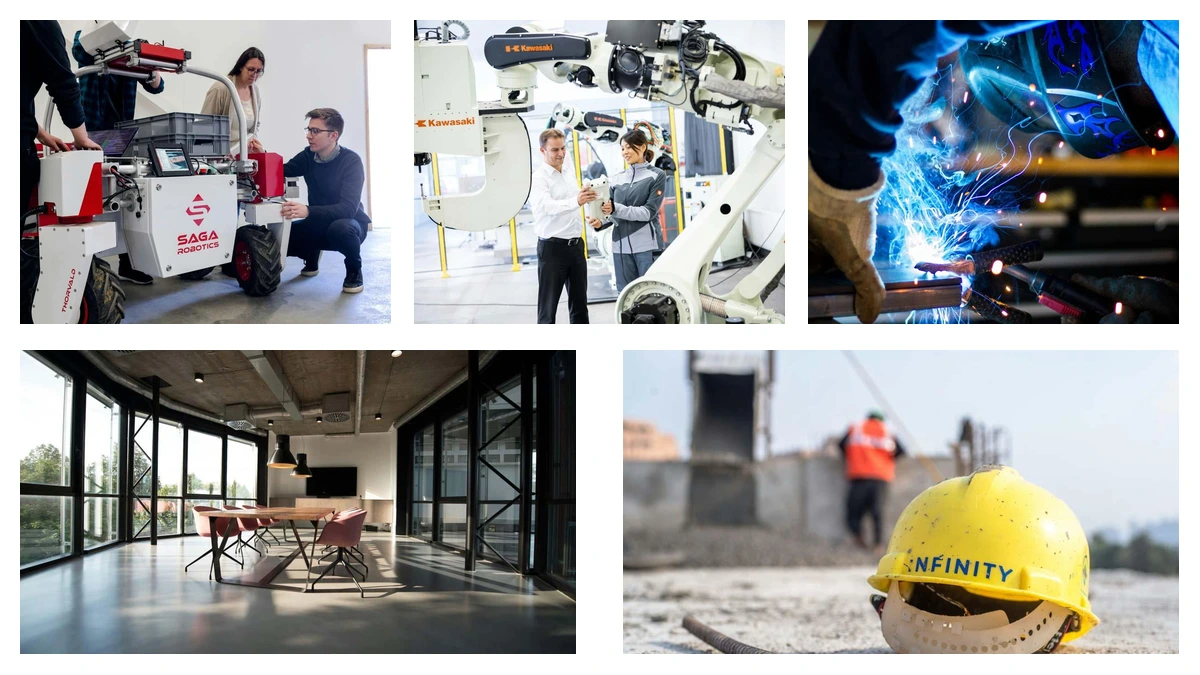
Workplace ethics examples
Understanding Workplace Ethics: A Comprehensive Guide with Examples
Workplace ethics are the moral principles that guide behavior within a company. They encompass a wide range of values, from honesty and integrity to fairness and respect. Ethical workplaces foster trust, boost morale, and ultimately contribute to a more productive and positive environment. This article explores various workplace ethics examples, providing a clear understanding of how these principles manifest in everyday situations.
Why are Workplace Ethics Important?
Beyond simply being “the right thing to do,” strong workplace ethics offer significant benefits:
* **Enhanced Reputation:** Companies known for their ethical practices attract customers, investors, and top talent.
* **Increased Employee Engagement:** Employees are more likely to be engaged and motivated when they feel respected and valued.
* **Reduced Legal Risks:** Ethical behavior minimizes the risk of lawsuits, fines, and other legal repercussions.
* **Improved Productivity:** A culture of trust and fairness encourages collaboration and efficiency.
* **Stronger Customer Loyalty:** Customers are more likely to support businesses that demonstrate ethical conduct.
Core Principles of Workplace Ethics
Several core principles underpin ethical behavior in the workplace:
* **Integrity:** Being honest and truthful in all dealings.
* **Objectivity:** Making decisions based on facts and evidence, not personal biases.
* **Confidentiality:** Protecting sensitive information.
* **Fairness:** Treating everyone equitably and without discrimination.
* **Respect:** Valuing the opinions and contributions of others.
* **Responsibility:** Being accountable for one’s actions and decisions.
* **Compliance:** Adhering to all applicable laws, regulations, and company policies.
Workplace Ethics Examples: Real-World Scenarios
Let’s delve into specific examples of how these principles play out in different workplace situations:
Integrity and Honesty
* **Accurate Reporting:** An employee accurately reports their billable hours, even if it means earning slightly less.
* **Truthful Communication:** A manager provides honest feedback to an employee, even if it’s difficult to deliver.
* **Transparency:** A company discloses a potential safety hazard to its employees and customers.
* **Avoiding Conflicts of Interest:** An employee recuses themselves from a project where they have a personal relationship with a vendor.
* **Whistleblowing:** An employee reports illegal or unethical activity within the company (protected under whistleblower laws).
Example Scenario:
Sarah, a sales representative, discovers that her colleague, Mark, is inflating sales figures to meet his quota. Sarah knows that reporting Mark’s actions could create tension in the team, but she also understands the importance of honesty and integrity. She decides to report Mark’s behavior to her manager, ensuring the company maintains accurate records and avoids potential legal issues.
Objectivity and Impartiality
* **Fair Performance Reviews:** A manager evaluates employees based on their performance, not on personal feelings.
* **Unbiased Hiring Decisions:** A hiring manager selects candidates based on their qualifications and experience, not on their race, gender, or other protected characteristics.
* **Objective Decision-Making:** A team makes a decision based on data and analysis, not on personal opinions.
* **Avoiding Favoritism:** A manager treats all employees equally, regardless of their personal relationships.
Example Scenario:
A project team is selecting a vendor for a new software system. One of the team members is close friends with a representative from one of the bidding companies. To ensure objectivity, the team member discloses their relationship and recuses themselves from the final decision-making process.
Confidentiality and Privacy
* **Protecting Customer Data:** A company implements security measures to protect customer data from unauthorized access.
* **Maintaining Employee Privacy:** A company respects employee privacy by not disclosing personal information without their consent.
* **Safeguarding Trade Secrets:** A company takes steps to protect its trade secrets and confidential information.
* **Respecting Non-Disclosure Agreements (NDAs):** Employees adhere to the terms of their NDAs, protecting sensitive company information.
Example Scenario:
John, an HR employee, has access to employee salary information. He understands the importance of confidentiality and never discusses employee salaries with anyone, including his friends and family. He also ensures that all employee data is stored securely and protected from unauthorized access.
Fairness and Equity
* **Equal Pay for Equal Work:** A company pays men and women the same for performing the same job.
* **Providing Equal Opportunities:** A company provides equal opportunities for advancement to all employees.
* **Addressing Discrimination:** A company takes steps to address and prevent discrimination in the workplace.
* **Fair Disciplinary Actions:** A company imposes disciplinary actions fairly and consistently.
Example Scenario:
A company notices a disparity in pay between men and women in similar roles. The company conducts a pay equity audit and adjusts salaries to ensure that men and women are paid equally for equal work.
Respect and Dignity
* **Treating Everyone with Respect:** Employees treat each other with respect, regardless of their position or background.
* **Avoiding Harassment:** A company has a zero-tolerance policy for harassment of any kind.
* **Valuing Diversity and Inclusion:** A company celebrates diversity and promotes an inclusive workplace.
* **Active Listening:** Managers actively listen to employee concerns and feedback.
Example Scenario:
A team member consistently interrupts and dismisses the ideas of a female colleague. A manager intervenes and addresses the behavior, emphasizing the importance of respecting all team members and valuing their contributions.
Responsibility and Accountability
* **Taking Ownership of Mistakes:** An employee takes responsibility for their mistakes and works to correct them.
* **Meeting Deadlines:** Employees meet deadlines and fulfill their commitments.
* **Following Company Policies:** Employees adhere to all company policies and procedures.
* **Being Accountable for Performance:** Employees are held accountable for their performance and results.
Example Scenario:
A project manager makes a mistake that causes a delay in a project. Instead of blaming others, the project manager takes responsibility for the error and works with the team to find a solution and minimize the impact of the delay.
Compliance and Legal Obligations
* **Adhering to Labor Laws:** A company complies with all applicable labor laws, including minimum wage, overtime, and workplace safety regulations.
* **Following Environmental Regulations:** A company complies with all applicable environmental regulations.
* **Respecting Intellectual Property Rights:** A company respects the intellectual property rights of others.
* **Avoiding Illegal Activities:** Employees avoid engaging in any illegal activities, such as bribery or fraud.
Example Scenario:
A company ensures that all its employees receive proper training on workplace safety regulations and provides them with the necessary equipment to perform their jobs safely.
Common Ethical Dilemmas in the Workplace
Even with the best intentions, employees may face ethical dilemmas. Here are some common examples:
* **Conflicts of Interest:** When personal interests conflict with professional responsibilities.
* **Misuse of Company Resources:** Using company resources for personal gain.
* **Discrimination and Harassment:** Unfair treatment based on protected characteristics.
* **Confidentiality Breaches:** Disclosing sensitive information without authorization.
* **Dishonest Communication:** Lying or misleading others.
* **Taking Credit for Others’ Work:** Claiming ownership of someone else’s contributions.
* **Ignoring Unethical Behavior:** Failing to report unethical conduct witnessed in the workplace.
Table: Ethical Dilemma Examples and Solutions
| Ethical Dilemma | Example Scenario | Possible Solution |
|---|---|---|
| Conflict of Interest | An employee’s spouse works for a competitor. | Disclose the relationship and recuse oneself from decisions involving the competitor. |
| Misuse of Company Resources | Using the company printer for personal documents. | Avoid using company resources for personal use; reimburse the company if misuse occurred. |
| Discrimination | Making derogatory comments about a colleague’s ethnicity. | Report the behavior to HR; participate in diversity and inclusion training. |
| Confidentiality Breach | Sharing confidential client information with a friend. | Maintain strict confidentiality; avoid discussing sensitive information outside of work. |
| Dishonest Communication | Lying about project progress to avoid criticism. | Be honest and transparent about project status; seek help if needed. |
Promoting Ethical Behavior in the Workplace
Creating an ethical workplace requires a proactive approach:
* **Develop a Code of Ethics:** A written document outlining the company’s ethical values and principles.
* **Provide Ethics Training:** Educate employees on ethical issues and how to handle dilemmas.
* **Lead by Example:** Managers and leaders must demonstrate ethical behavior in their own actions.
* **Create a Safe Reporting System:** Encourage employees to report unethical behavior without fear of retaliation.
* **Enforce Ethical Standards:** Take disciplinary action against employees who violate ethical standards.
* **Regularly Review and Update Policies:** Ensure that ethics policies are relevant and effective.
**Pro Tip:** Regularly review your company’s code of ethics and provide refresher training to employees. Ethical landscapes evolve, and it’s crucial to stay current. Consider incorporating real-world scenarios into your training to make it more engaging and relatable.
The Long-Term Impact of Ethical Workplaces
The benefits of fostering an ethical workplace extend far beyond immediate gains. Ethical companies build trust with their stakeholders, attract and retain top talent, and create a sustainable competitive advantage. By prioritizing ethical behavior, organizations can create a positive impact on their employees, their communities, and the world.
**Script for Leaders:** “At [Company Name], we believe that ethical conduct is not just a policy, but a core value. We are committed to creating a workplace where everyone feels respected, valued, and empowered to do the right thing. We encourage you to speak up if you see something that doesn’t align with our values, and we will always support you in making ethical decisions.”
Conclusion: Embracing Ethics for a Better Future
Workplace ethics are not just abstract concepts; they are the foundation of a thriving and sustainable business. By understanding and applying these principles in our daily interactions, we can create workplaces that are characterized by trust, integrity, and respect. Embrace ethical behavior as a guiding principle, and you will contribute to a more positive, productive, and ultimately, more successful future for yourself and your organization. Let’s all commit to building workplaces where ethics are not just a rule, but a way of life.