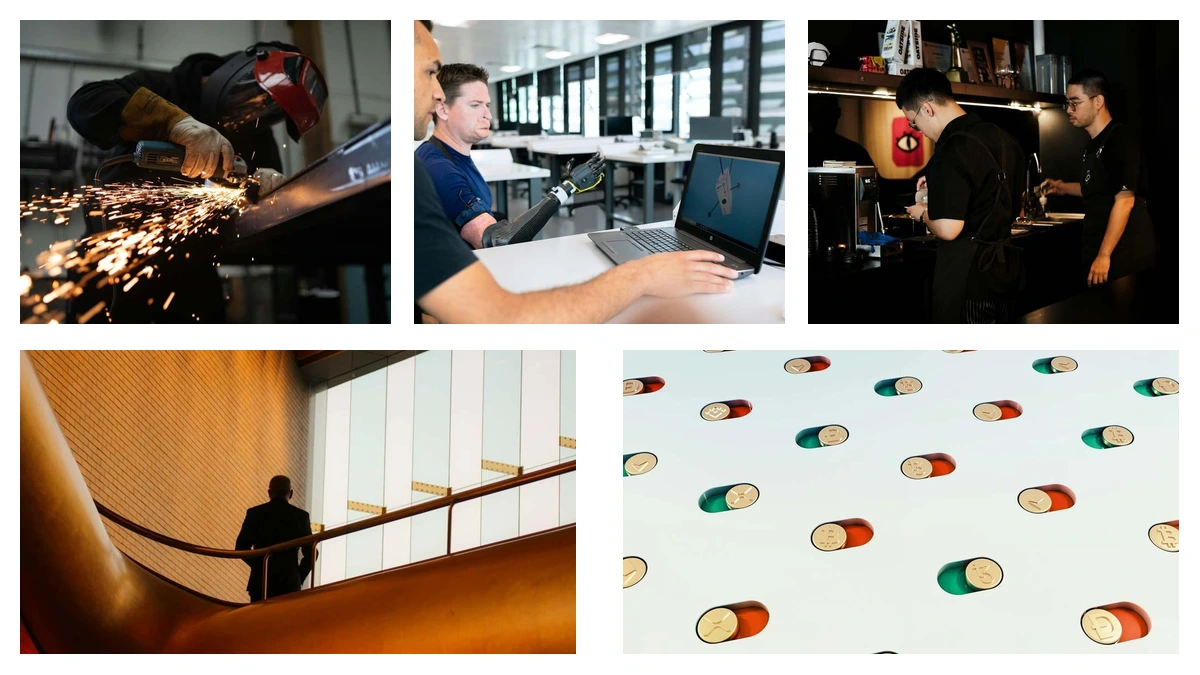
What is the difference between a job and a career?
What’s the Real Difference Between a Job and a Career? Understanding Your Path
Many people use the terms “job” and “career” interchangeably, but they represent fundamentally different perspectives on work and your professional life. Understanding the distinction is crucial for making informed decisions about your education, training, and long-term goals. This article will delve into the core differences between a job and a career, helping you identify where you are now and where you want to be.
Defining a Job: A Short-Term Perspective
A job is primarily focused on earning a living. It’s a specific position with defined tasks and responsibilities, typically involving a contractual agreement with an employer. The primary motivation for holding a job is financial compensation.
Key characteristics of a job include:
* **Focus on Immediate Income:** The primary goal is to earn money to meet immediate financial needs.
* **Specific Tasks and Responsibilities:** The role involves clearly defined duties and expectations.
* **Limited Growth Opportunities:** There might be limited scope for advancement or skill development beyond the immediate requirements of the position.
* **Short-Term Commitment:** The focus is on the present, with less emphasis on long-term career planning.
* **Interchangeable Skills:** Often, the skills required are easily transferable, making it relatively simple to move to a similar job elsewhere.
Think of a cashier at a grocery store. Their job is to scan items, handle payments, and provide customer service. While they develop skills in customer interaction and cash handling, the role itself might not necessarily contribute to a broader career trajectory unless they actively seek advancement within the company or use the experience as a stepping stone.
Defining a Career: A Long-Term Vision
A career, on the other hand, is a long-term pursuit involving a series of related jobs and experiences that build upon each other. It’s a journey of continuous learning, skill development, and professional growth. A career is driven by a sense of purpose, passion, and a desire to make a meaningful contribution.
Key characteristics of a career include:
* **Long-Term Growth and Development:** The focus is on acquiring new skills, knowledge, and experience over time.
* **Purpose and Passion:** Driven by a genuine interest in the field and a desire to make a difference.
* **Strategic Planning:** Involves actively planning and managing your professional trajectory.
* **Continuous Learning:** A commitment to staying updated with industry trends and advancements.
* **Personal Fulfillment:** Seeks a sense of satisfaction and accomplishment beyond just financial compensation.
* **Building Expertise:** Concentrates on developing deep expertise in a particular field.
Consider a software engineer. They might start with an entry-level position, but their career involves continuously learning new programming languages, frameworks, and development methodologies. They might progress to senior engineer, team lead, architect, or even CTO, each role building upon their previous experience and expertise. Their career is a deliberate path of growth and specialization.
The Key Differences Summarized
To further illustrate the differences, here’s a table summarizing the key distinctions:
| Feature | Job | Career |
|---|---|---|
| Primary Motivation | Financial compensation | Personal fulfillment and professional growth |
| Time Horizon | Short-term | Long-term |
| Skill Development | Limited to immediate requirements | Continuous and ongoing |
| Focus | Specific tasks and responsibilities | Overall professional trajectory |
| Commitment | Transactional | Investment in self and future |
| Purpose | Meeting immediate needs | Making a meaningful contribution |
| Advancement | Potentially limited | Significant opportunities for growth |
Why the Distinction Matters
Understanding the difference between a job and a career is crucial for several reasons:
* **Career Satisfaction:** Pursuing a career aligned with your interests and values leads to greater job satisfaction and a sense of purpose.
* **Financial Security:** While a job provides immediate income, a career offers the potential for long-term financial stability and wealth creation. As you gain more experience and expertise, your earning potential increases significantly.
* **Personal Growth:** A career fosters continuous learning and personal development, keeping you engaged and challenged throughout your professional life.
* **Resilience:** Having a career mindset allows you to adapt to changes in the job market and navigate challenges more effectively. You’re more likely to invest in skills that will remain relevant and valuable over time.
* **Long-Term Planning:** Recognizing the difference allows you to make informed decisions about your education, training, and career path. You can proactively seek opportunities that align with your long-term goals.
Transitioning from a Job to a Career Mindset
It’s possible to transition from simply holding a job to actively building a career. Here are some steps you can take:
1. **Self-Assessment:** Identify your interests, skills, values, and passions. What are you genuinely good at and what do you enjoy doing?
2. **Goal Setting:** Define your long-term career goals. Where do you see yourself in 5, 10, or 20 years?
3. **Education and Training:** Invest in education, training, and certifications that will enhance your skills and knowledge in your chosen field.
4. **Networking:** Build relationships with professionals in your industry. Attend industry events, join professional organizations, and connect with people on LinkedIn.
5. **Mentorship:** Seek guidance from experienced professionals who can provide advice and support.
6. **Continuous Learning:** Stay updated with industry trends and advancements. Read industry publications, attend webinars, and take online courses.
7. **Seek Opportunities for Growth:** Look for opportunities to expand your skills and take on new challenges within your current role or organization.
8. **Embrace Change:** Be open to new opportunities and willing to adapt to changes in the job market.
**Pro Tip:** Don’t be afraid to take calculated risks. Sometimes, stepping outside of your comfort zone and trying something new can lead to unexpected career opportunities.
The Role of Passion in a Career
Passion plays a significant role in career satisfaction and success. When you’re passionate about your work, you’re more likely to be engaged, motivated, and committed. Passion fuels your drive to learn, grow, and excel in your chosen field.
However, it’s important to note that passion alone is not enough. You also need to have the skills, knowledge, and experience necessary to succeed. Passion combined with competence is a powerful combination.
**Script from a Career Coach:** “Think of your career as a marathon, not a sprint. It’s a long-term journey that requires careful planning, consistent effort, and a strong sense of purpose. Find something you’re passionate about, develop the necessary skills, and never stop learning.”
Examples of Career Paths vs. Jobs
* **Job:** Working as a freelance writer creating content on various topics.
* **Career:** Starting as a freelance writer, then specializing in a niche (e.g., cybersecurity), becoming a content marketing manager, and eventually leading a content strategy team for a major cybersecurity firm.
* **Job:** A part-time delivery driver.
* **Career:** Starting as a delivery driver, learning logistics and operations, becoming a dispatcher, then a logistics manager, and eventually owning a franchise or starting a delivery service company.
* **Job:** Working as a receptionist.
* **Career:** Starting as a receptionist, taking courses in office management and human resources, becoming an office manager, then an HR specialist, and eventually an HR manager or director.
When a Job is “Enough”
While a career is often presented as the ideal, there are situations where focusing on a job is perfectly acceptable and even preferable:
* **Financial Needs:** When immediate financial needs are paramount, a job that provides a steady income is essential.
* **Life Stage:** During certain life stages (e.g., raising young children, caring for elderly parents), prioritizing a job with flexible hours and manageable responsibilities might be more important than pursuing career advancement.
* **Personal Preferences:** Some individuals simply prefer the stability and predictability of a job over the challenges and uncertainties of a career.
* **Retirement Planning:** Nearing retirement, some individuals may opt for less demanding jobs to supplement their retirement income.
The key is to make a conscious decision based on your individual circumstances and priorities. There’s no right or wrong answer; it’s about finding what works best for you.
Conclusion: Take Control of Your Professional Destiny
The distinction between a job and a career is more than just semantics; it’s a fundamental difference in mindset and approach. A job provides immediate financial security, while a career offers long-term growth, fulfillment, and purpose. Understanding this difference empowers you to make informed decisions about your professional life and take control of your destiny. Whether you’re just starting out, looking to make a change, or simply seeking greater satisfaction in your work, remember that you have the power to shape your own path. Embrace continuous learning, pursue your passions, and build a career that aligns with your values and aspirations. The journey may not always be easy, but the rewards of a fulfilling career are well worth the effort.