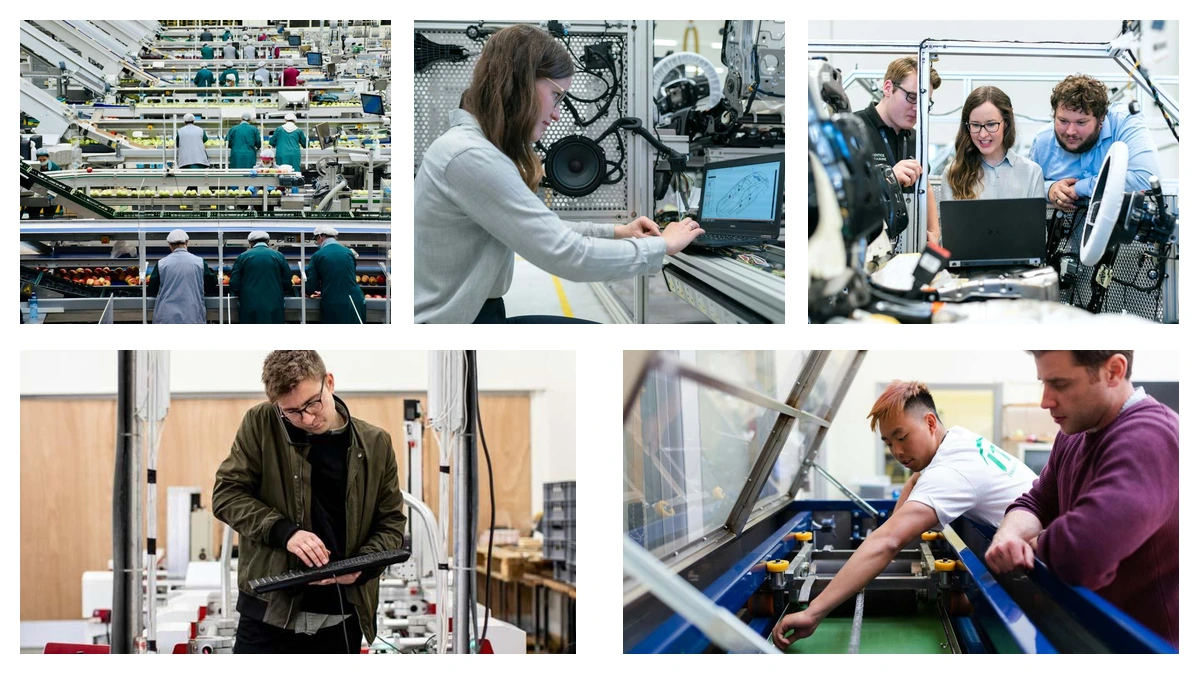
What are the pros and cons of beginning work directly after high school?
The Fork in the Road: Weighing the Decision to Work After High School
Graduating high school is a significant milestone, often feeling like standing at a major crossroads. One path leads to higher education – college, university, or vocational school. The other path leads directly into the workforce. Choosing which path to take is a deeply personal decision with substantial long-term implications. This article will explore the pros and cons of entering the workforce immediately after high school, providing a balanced perspective to help you make an informed choice.
The Allure of Immediate Employment: Advantages of Working Right After High School
For many, the prospect of earning a paycheck and gaining real-world experience is incredibly appealing. Here are some key advantages of entering the workforce directly after high school graduation:
Financial Independence and Early Savings
One of the most significant draws of working immediately is the ability to earn money. This provides financial independence, allowing you to pay for your own expenses, contribute to your family, and begin saving for future goals like a down payment on a house, starting a business, or even funding future education later in life.
Pro Tip: Even if you’re earning a modest wage, start saving early. The power of compound interest is immense, and the earlier you begin, the more your money will grow over time. Consider opening a Roth IRA or other investment account.
Gaining Practical Experience and Skills
While formal education provides theoretical knowledge, the workplace offers invaluable practical experience. You’ll learn essential skills like teamwork, communication, problem-solving, and time management, all of which are highly valued by employers. This hands-on experience can give you a competitive edge over those with only academic credentials.
Avoiding Student Loan Debt
The rising cost of higher education is a significant concern for many students and families. By choosing to work instead of attending college, you can avoid accumulating potentially crippling student loan debt. This financial freedom can be a major advantage in the long run.
Exploring Career Paths and Interests
Working in different industries or roles can help you discover your passions and interests. You might find that you enjoy a particular type of work or that you have a natural aptitude for a specific skill. This exploration can be valuable in shaping your future career path, even if you eventually decide to pursue further education.
Developing a Strong Work Ethic
Entering the workforce early cultivates a strong work ethic. You’ll learn the importance of punctuality, responsibility, and dedication, qualities that are highly sought after by employers in any field. This work ethic will serve you well throughout your career, regardless of your chosen path.
The Potential Pitfalls: Disadvantages of Skipping Higher Education
While immediate employment offers numerous advantages, it’s crucial to acknowledge the potential drawbacks. Consider these potential disadvantages before making your decision:
Limited Career Advancement Opportunities
Many higher-paying and more specialized roles require a college degree or advanced certifications. Without further education, you may face limitations in your career advancement opportunities. You might find it challenging to move into management positions or pursue certain specialized fields.
Lower Earning Potential Over a Lifetime
Studies consistently show that individuals with a college degree earn significantly more over their lifetime than those with only a high school diploma. While you might start earning money sooner, your long-term earning potential could be limited without further education.
Increased Vulnerability to Economic Downturns
During economic downturns, individuals with less education and fewer skills are often the first to be laid off. A college degree or specialized training can provide greater job security and resilience in a volatile job market.
Missing Out on Personal Growth and Development
College is not just about academics; it’s also a time for personal growth and development. You’ll be exposed to new ideas, cultures, and perspectives, broadening your horizons and shaping you into a more well-rounded individual. This personal growth can be invaluable in both your professional and personal life.
Potential for Regret Later in Life
Some individuals who choose to work immediately after high school later regret not pursuing higher education. They may feel limited by their lack of qualifications or experience a sense of unfulfillment. While it’s always possible to return to school later in life, it can be more challenging to do so once you’ve established a career and family.
Making an Informed Decision: Factors to Consider
Choosing between working and attending college is a complex decision with no right or wrong answer. The best choice depends on your individual circumstances, goals, and priorities. Here are some key factors to consider:
Your Financial Situation
Can you afford to attend college without accumulating excessive debt? Are you willing to take on student loans to pursue higher education? Consider your family’s financial situation and your ability to contribute to your own education.
Your Career Goals
What are your long-term career aspirations? Do the jobs you’re interested in require a college degree or specialized training? Research the educational requirements for your desired career path.
Your Academic Interests and Abilities
Are you passionate about learning and eager to pursue academic studies? Do you have the aptitude and motivation to succeed in college? Consider your academic strengths and weaknesses.
Your Learning Style
Do you learn best through hands-on experience or through traditional classroom instruction? If you thrive in a practical, hands-on environment, working may be a better fit for you.
Your Personal Values
What are your priorities in life? Do you value financial independence, career advancement, personal growth, or intellectual stimulation? Your values should play a significant role in your decision-making process.
Alternative Paths: Combining Work and Education
It’s important to remember that you don’t necessarily have to choose between working and attending college. There are alternative paths that allow you to combine both:
Part-Time College While Working
You can work part-time while attending college part-time. This allows you to earn money while pursuing your education, although it may take longer to complete your degree.
Online Education
Online education offers flexibility and convenience, allowing you to study at your own pace and on your own schedule. This can be a good option if you need to work full-time to support yourself.
Apprenticeships and Vocational Training
Apprenticeships and vocational training programs provide hands-on training in a specific trade or skill. These programs often combine classroom instruction with on-the-job experience.
Community College
Community colleges offer affordable tuition and a wide range of academic and vocational programs. You can attend community college for a year or two to earn an associate’s degree or transfer to a four-year university.
A Comparative Overview: Work vs. College After High School
| Factor | Working After High School | College After High School |
|---|---|---|
| Financial Independence | Immediate income, avoids student debt | Potential for student debt, delayed income |
| Career Advancement | Limited opportunities without further education | Greater opportunities with a degree |
| Earning Potential | Lower lifetime earning potential | Higher lifetime earning potential |
| Practical Experience | Gains valuable hands-on experience | Less hands-on experience, more theoretical knowledge |
| Personal Growth | Potential for personal growth through work experience | Significant personal growth through academic and social experiences |
| Job Security | May be more vulnerable to economic downturns | Potentially greater job security with a degree |
| Time Commitment | Full-time work commitment | Significant time commitment to academics and extracurricular activities |
The Importance of Continued Learning
Regardless of whether you choose to work or attend college after high school, it’s essential to embrace lifelong learning. The job market is constantly evolving, and new skills and technologies are emerging all the time. Staying current with industry trends and continuously expanding your knowledge base will be crucial for your long-term career success.
Pro Tip: Take advantage of free online courses, workshops, and seminars to enhance your skills and knowledge. Consider pursuing certifications or licenses in your field. Network with professionals in your industry to stay informed about new developments.
Conclusion: Embracing Your Chosen Path
The decision of whether to work or attend college after high school is a significant one, but it’s not a life sentence. Your path is not set in stone. You can always change your mind, pursue further education later in life, or pivot your career in a new direction. The most important thing is to make an informed decision based on your individual circumstances, goals, and priorities. Embrace your chosen path with enthusiasm and dedication, and never stop learning and growing. Your future is yours to create.