
Verification Engineer Resume Examples
Verification Engineer Resume Examples & Guide
Landing a Verification Engineer position is challenging. Applicant Tracking Systems (ATS) and fierce competition demand a resume that stands out. This guide provides Verification Engineer resume examples for entry-level, mid-level, and senior roles, offering a roadmap to success regardless of your experience.
- Quantify Achievements: Use numbers to showcase the impact of your work.
- Highlight Relevant Skills: Emphasize skills like SystemVerilog, UVM, and formal verification.
- Tailor to Job Description: Customize your resume for each specific role.
- Optimize for ATS: Use keywords from the job description to pass ATS scans.
- Use Action Verbs: Start each bullet point with a strong action verb.
- Showcase Problem-Solving: Highlight your ability to identify and resolve verification challenges.
Let’s explore some Verification Engineer resume examples tailored to different experience levels.
Explore editable Verification Engineer resume examples by career stage. Each sample opens in the RockStarCV builder so you can study the structure and make your own version.
Entry-Level Verification Engineer Resume (0-2 Years Experience)
Use these entry-level examples to compare the scope, evidence, and language expected for Verification Engineer roles at this stage.
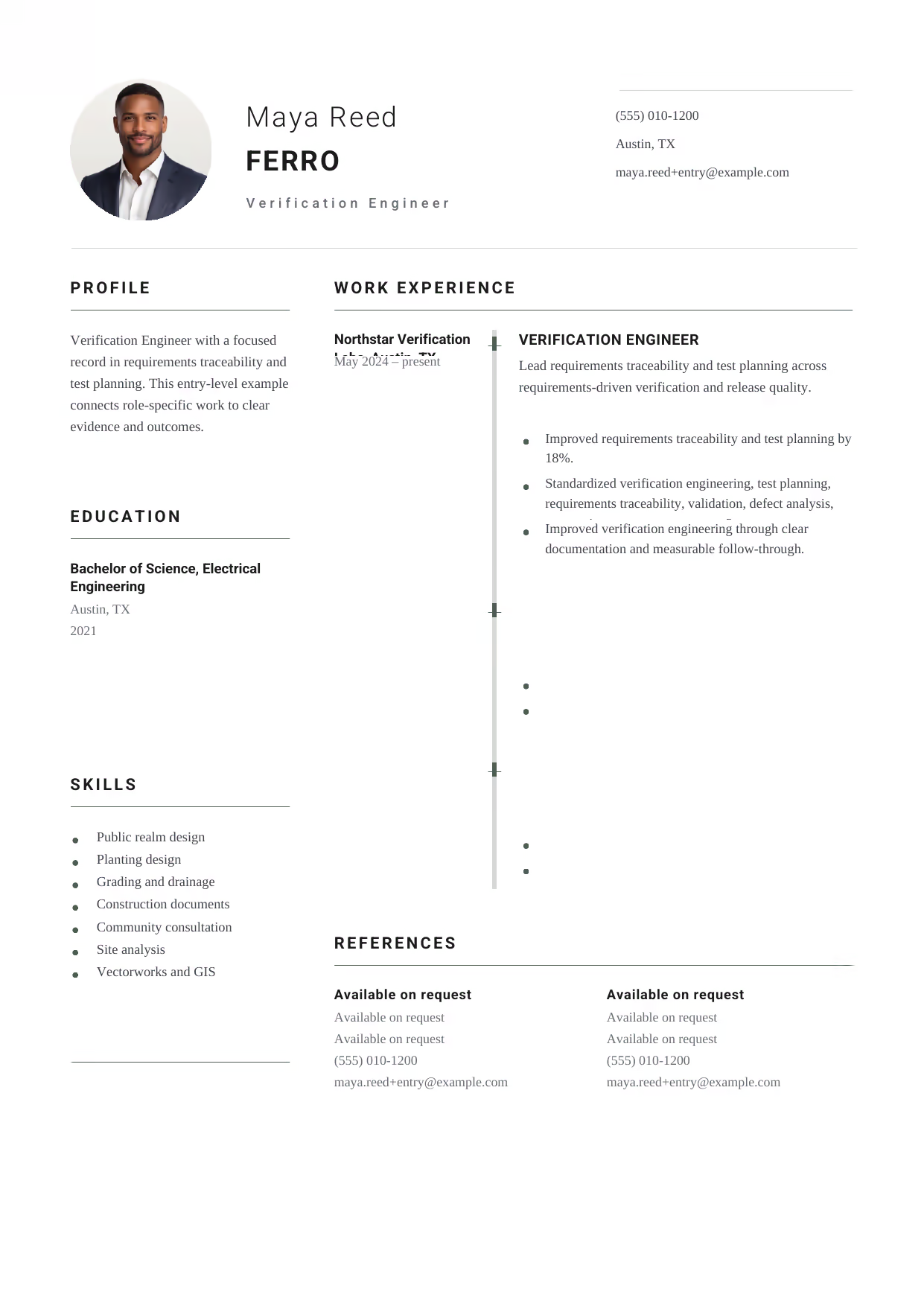
Verification Engineer
A builder-ready entry-level Verification Engineer example in the Puppis template, showing stage-appropriate evidence in a focused, editable resume format.
- Editable role positioning in the Puppis layout
- Role-specific evidence and delivery context
- Review the Puppis structure with a clean visual hierarchy
View this resume
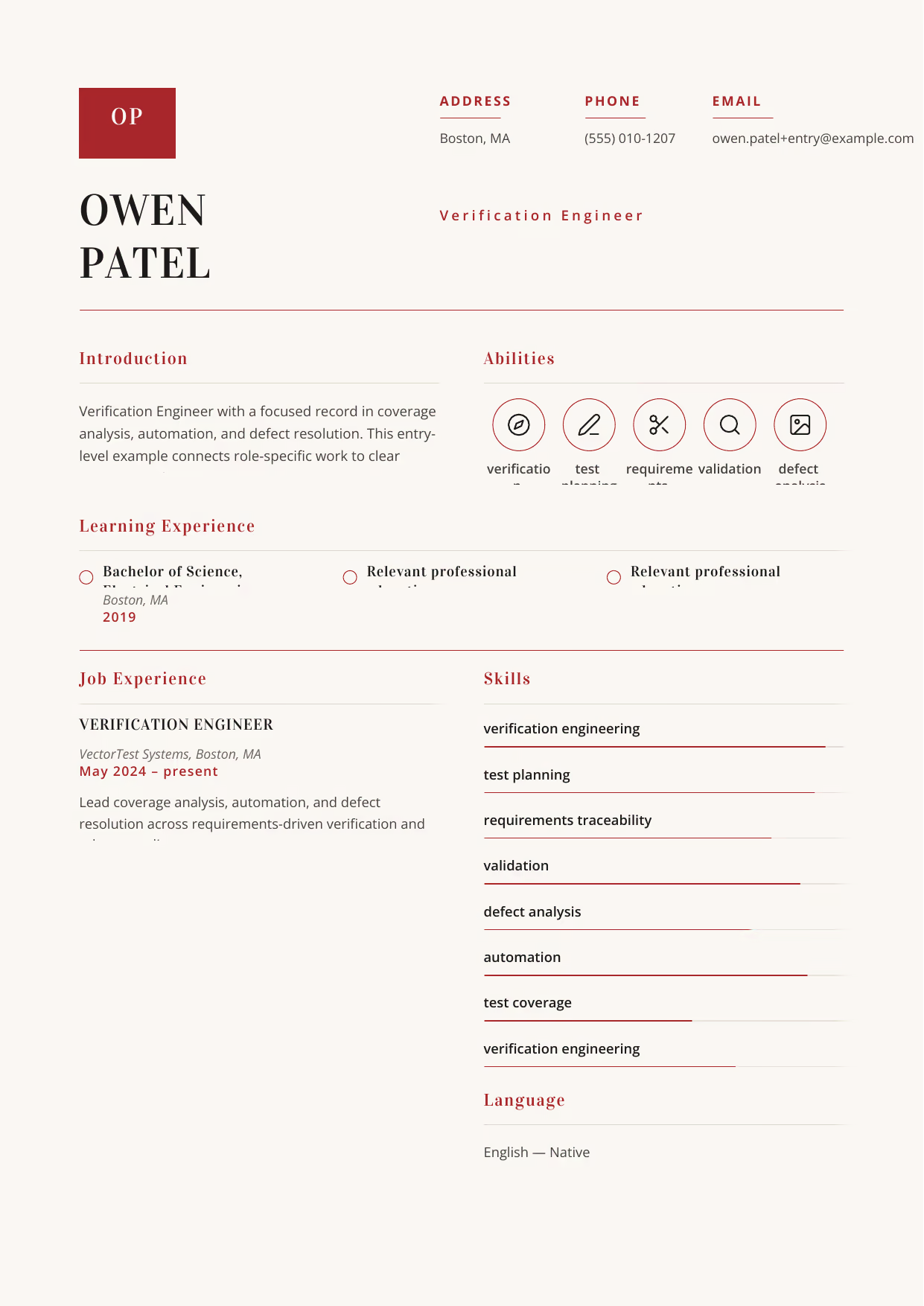
Verification Engineer
A builder-ready entry-level Verification Engineer example in the Delphinus template, showing stage-appropriate evidence in a focused, editable resume format.
- Editable role positioning in the Delphinus layout
- Role-specific evidence and delivery context
- Review the Delphinus structure with a clean visual hierarchy
View this resume
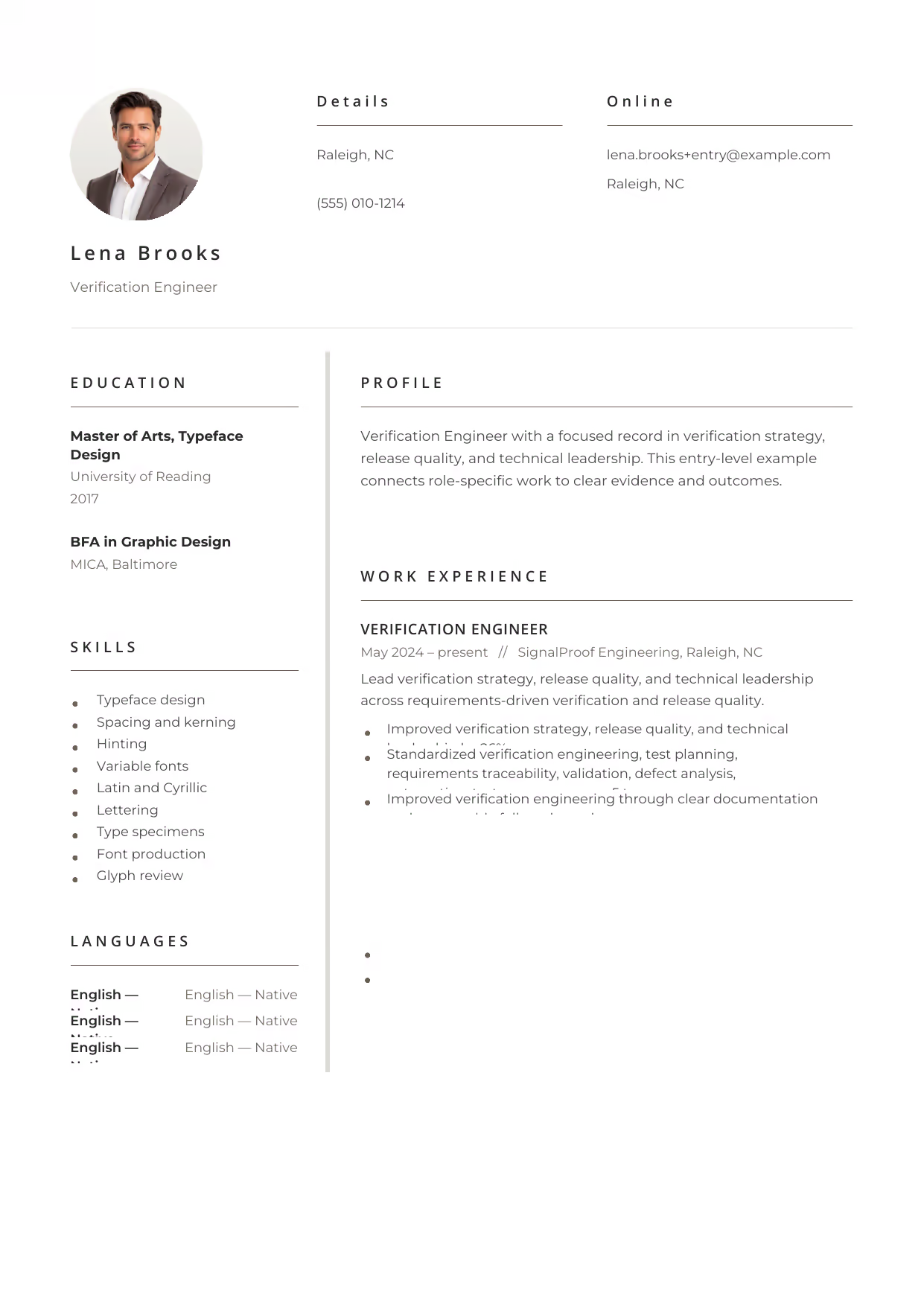
Verification Engineer
A builder-ready entry-level Verification Engineer example in the Pictor template, showing stage-appropriate evidence in a focused, editable resume format.
- Editable role positioning in the Pictor layout
- Role-specific evidence and delivery context
- Review the Pictor structure with a clean visual hierarchy
View this resume
Mid-Level Verification Engineer Resume (3-7 Years Experience)
Use these mid-level examples to compare the scope, evidence, and language expected for Verification Engineer roles at this stage.
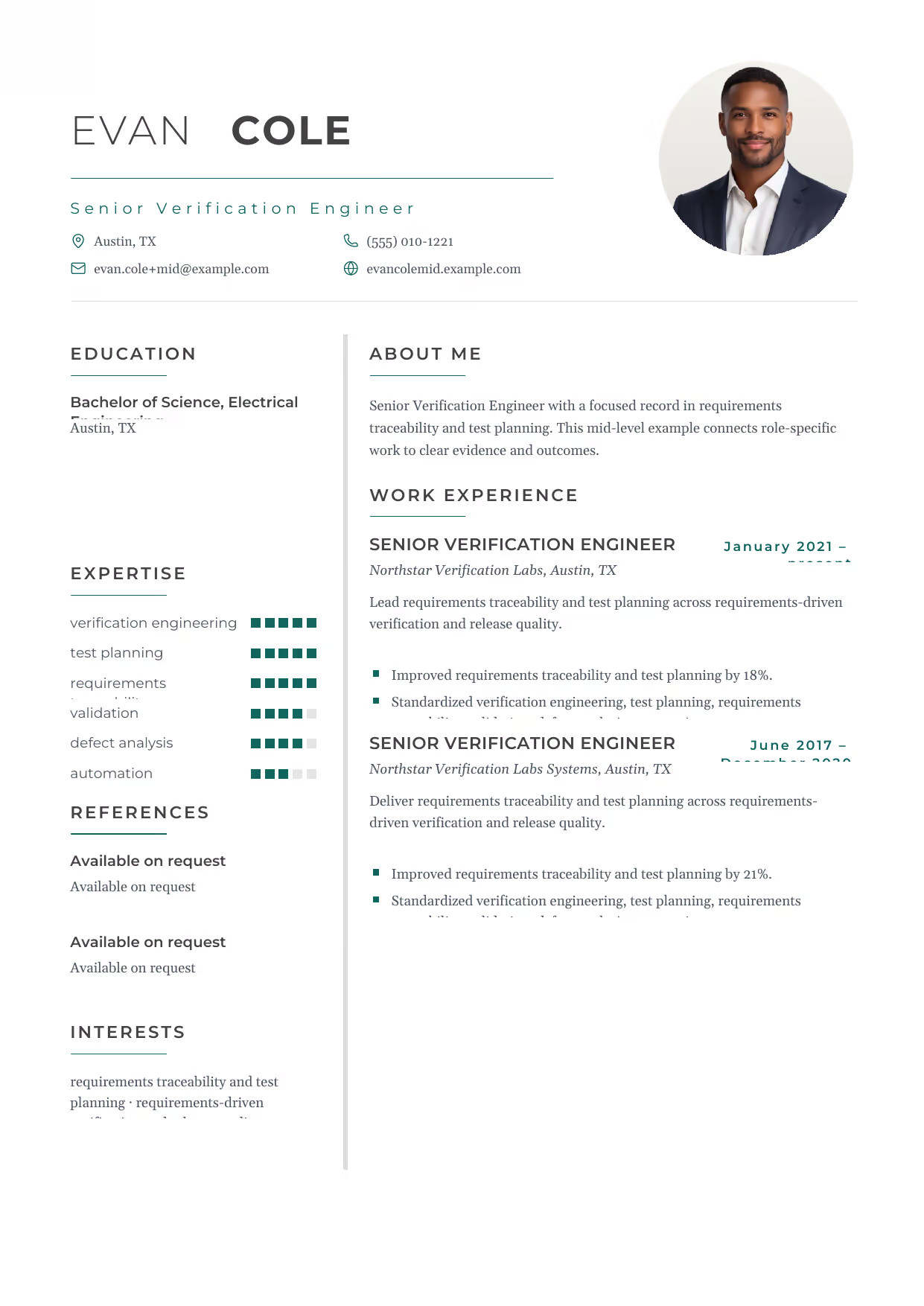
Senior Verification Engineer
A builder-ready mid-level Verification Engineer example in the Achernar template, showing stage-appropriate evidence in a focused, editable resume format.
- Editable role positioning in the Achernar layout
- Role-specific evidence and delivery context
- Review the Achernar structure with a clean visual hierarchy
View this resume
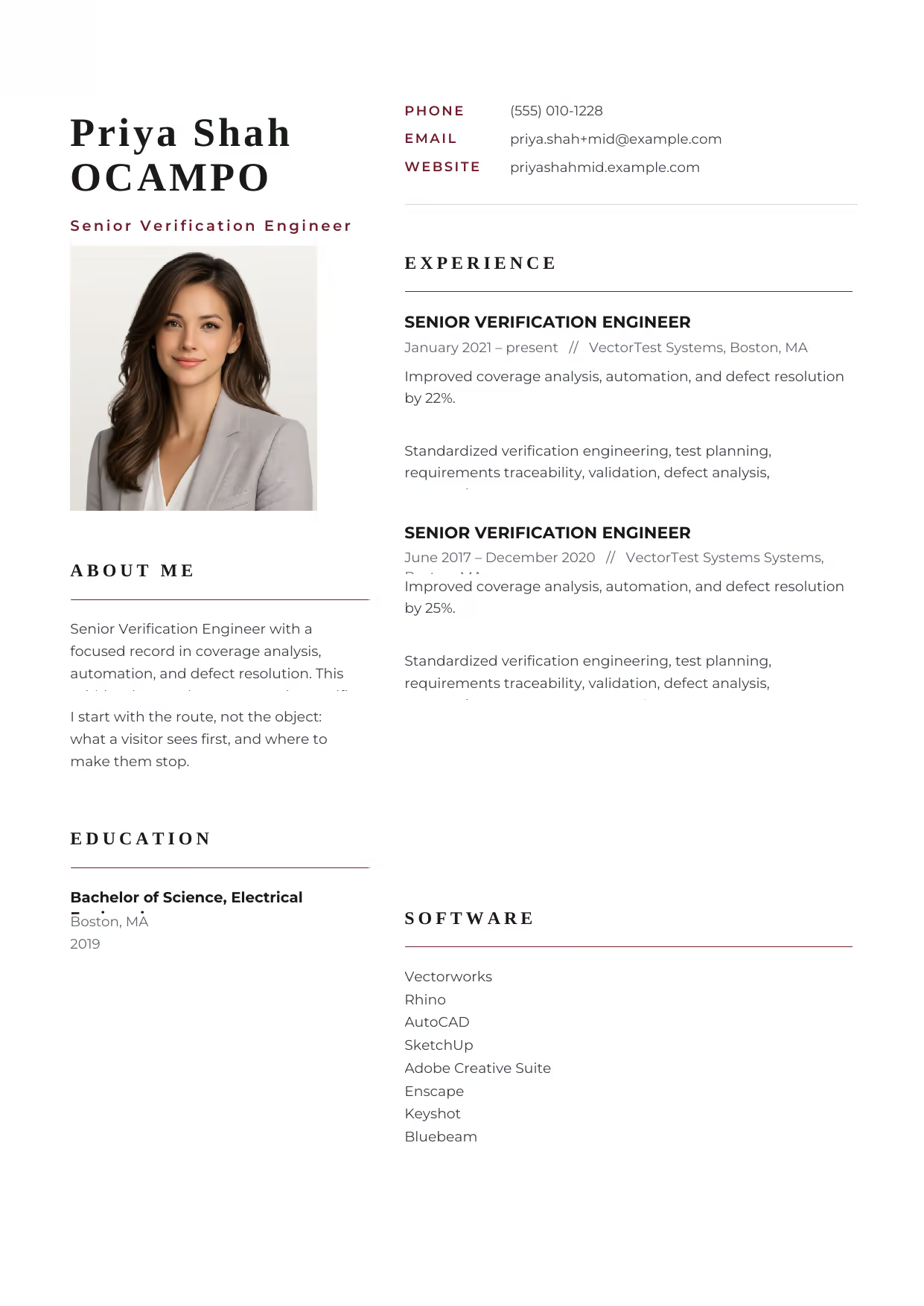
Senior Verification Engineer
A builder-ready mid-level Verification Engineer example in the Hydra template, showing stage-appropriate evidence in a focused, editable resume format.
- Editable role positioning in the Hydra layout
- Role-specific evidence and delivery context
- Review the Hydra structure with a clean visual hierarchy
View this resume

Senior Verification Engineer
A builder-ready mid-level Verification Engineer example in the Caelum template, showing stage-appropriate evidence in a focused, editable resume format.
- Editable role positioning in the Caelum layout
- Role-specific evidence and delivery context
- Review the Caelum structure with a clean visual hierarchy
View this resume
Senior Verification Engineer Resume (8+ Years / Management)
Use these advanced examples to compare the scope, evidence, and language expected for Verification Engineer roles at this stage.
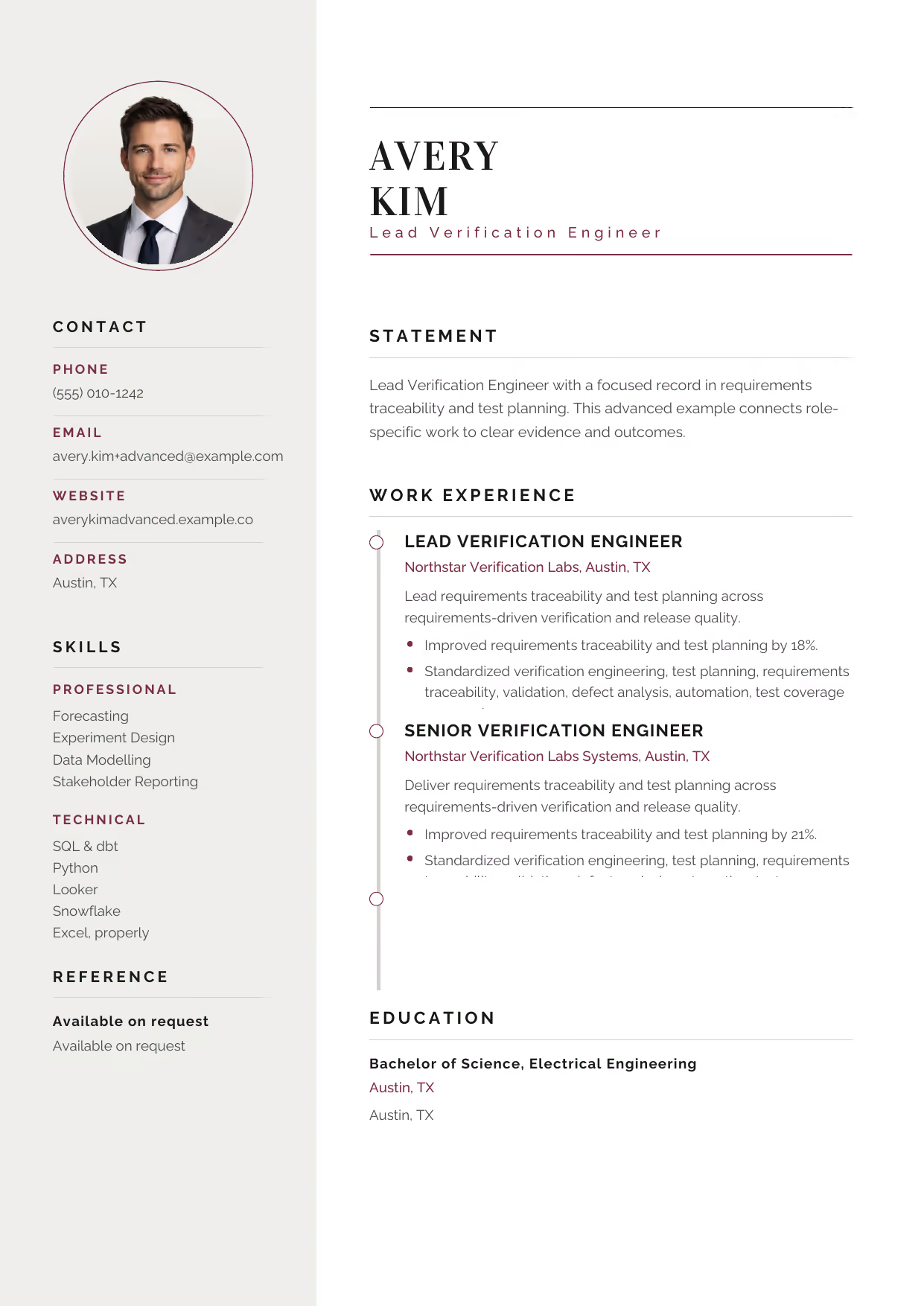
Lead Verification Engineer
A builder-ready advanced Verification Engineer example in the Cetus template, showing stage-appropriate evidence in a focused, editable resume format.
- Editable role positioning in the Cetus layout
- Role-specific evidence and delivery context
- Review the Cetus structure with a clean visual hierarchy
View this resume

Lead Verification Engineer
A builder-ready advanced Verification Engineer example in the Eridanus template, showing stage-appropriate evidence in a focused, editable resume format.
- Editable role positioning in the Eridanus layout
- Role-specific evidence and delivery context
- Review the Eridanus structure with a clean visual hierarchy
View this resume

Lead Verification Engineer
A builder-ready advanced Verification Engineer example in the Equuleus template, showing stage-appropriate evidence in a focused, editable resume format.
- Editable role positioning in the Equuleus layout
- Role-specific evidence and delivery context
- Review the Equuleus structure with a clean visual hierarchy
View this resume
How to Write a Verification Engineer Resume
The Resume Summary
The resume summary is your first chance to make a strong impression. It should be a concise overview of your skills and experience, tailored to the specific job you’re applying for. Use this formula: Years of Experience + Key Skills + Most Impressive Achievement + Target Job Title
Entry-Level Example: Recent graduate with a Bachelor’s degree in Electrical Engineering and a strong foundation in digital logic design. Eager to apply knowledge of SystemVerilog and UVM to contribute to the verification of high-quality hardware systems as an Entry-Level Verification Engineer.
Mid-Level Example: Experienced Verification Engineer with 5+ years of experience in verifying complex digital designs. Proven ability to develop and implement effective verification strategies, resulting in improved product quality and reduced time-to-market. Seeking a challenging Verification Engineer role at Company X.
Senior Example: Highly accomplished Senior Verification Engineer with 10+ years of experience leading verification teams and driving the successful verification of complex SoCs. Proven ability to develop and execute comprehensive verification strategies, manage budgets, and mentor junior engineers. Seeking a leadership role as a Verification Manager.
Work Experience & Action Verbs
The work experience section is where you demonstrate your accomplishments and impact. Focus on achievements rather than just listing duties. Use strong action verbs to describe your responsibilities and quantify your results whenever possible.
Here are some examples of how to transform duties into achievements:
- Before: Responsible for writing test cases. After: Developed and executed 200+ test cases, resulting in a 15% increase in test coverage.
- Before: Assisted in debugging verification issues. After: Identified and resolved 50+ critical bugs, preventing potential product defects.
- Before: Used SystemVerilog to create test benches. After: Developed UVM-based test benches using SystemVerilog, improving verification efficiency by 20%.
- Before: Worked with the verification team. After: Collaborated with a team of 5 engineers to verify a complex SoC, ensuring compliance with industry standards.
- Before: Responsible for formal verification. After: Implemented formal verification techniques, identifying critical bugs early in the design cycle and saving an estimated 100+ engineering hours.
Top Skills for Verification Engineers
Here are some of the top skills that Verification Engineers should include on their resumes:
- Hard Skills:
- UVM
- SystemVerilog
- Formal Verification
- Functional Verification
- Assertion-Based Verification
- Testbench Development
- Soft Skills:
- Problem-Solving
- Analytical Skills
- Communication
- Teamwork
- Attention to Detail
- Tools/Software:
- Cadence Incisive
- Synopsys VCS
- Mentor Graphics QuestaSim
- ModelSim
- Vivado
Education & Certifications
List your education in reverse chronological order, starting with your most recent degree. For entry-level candidates, include your GPA and relevant coursework. For mid-level and senior candidates, focus on your degree and any relevant certifications.
Here are some recommended certifications for Verification Engineers:
- Certified Functional Safety Expert (CFSE)
- Certified Verification Professional (CVP)
10 Common Verification Engineer Resume Mistakes
-
Generic Resume Summary:A vague summary fails to grab attention. Tailor your summary to the specific role, highlighting relevant skills and achievements. This shows recruiters you understand their needs. A generic summary gets lost in the ATS, failing to highlight your unique value proposition.
-
Listing Duties Instead of Impact:Recruiters know what a Verification Engineer does; they want to know how well you did it. Replace passive phrases like ‘Responsible for verification’ with quantified wins like ‘Reduced bug escape rate by 22% YOY’ using UVM. This demonstrates tangible results and showcases your value.
-
Ignoring Keywords:Applicant Tracking Systems (ATS) scan for specific keywords. Failing to include relevant terms like ‘SystemVerilog’, ‘UVM’, ‘Formal Verification’ or ‘Functional Safety’ can lead to your resume being overlooked. Carefully review the job description and incorporate relevant keywords throughout your resume.
-
Poor Formatting:A cluttered or poorly formatted resume is difficult to read. Use clear headings, bullet points, and white space to make your resume visually appealing and easy to scan. A poorly formatted resume can frustrate recruiters and make it difficult for the ATS to parse your information.
-
Lack of Quantifiable Results:Without numbers, your achievements lack impact. Quantify your accomplishments whenever possible, using metrics like ‘Reduced bug escape rate by 15%’ or ‘Improved test coverage by 20%’. This provides concrete evidence of your contributions.
-
Misspelling Core Industry Terminology:Typos in general are bad, but misspelling critical tools or methodologies (like ‘SystemVerilog’, ‘Functional Safety’, or ‘UVM’) acts as an immediate red flag regarding your attention to detail. Proofread carefully and use spell check to avoid errors.
-
Neglecting Soft Skills:While technical skills are essential, soft skills like problem-solving, communication, and teamwork are also crucial. Highlight these skills in your resume to demonstrate your ability to collaborate effectively and contribute to a positive team environment. Don’t just list them; provide examples.
-
Omitting Projects:Including relevant projects, especially for entry-level candidates, demonstrates your practical experience and ability to apply your knowledge. Describe the project, your role, and the results you achieved. Projects show initiative and a willingness to learn.
-
Irrelevant Information:Including irrelevant information can distract from your key qualifications. Focus on skills and experience that are directly related to the job you’re applying for. Tailor your resume to each specific role to maximize its impact.
-
Ignoring ATS Compatibility:Using complex formatting or graphics can make it difficult for the ATS to parse your resume. Use a simple, clean format and avoid using tables, images, or unusual fonts. Test your resume using an online ATS scanner to ensure it is compatible.
Frequently Asked Questions (Verification Engineer)
Crafting a compelling Verification Engineer resume requires careful attention to detail and a strategic approach. By following the examples and tips in this guide, you can create a resume that showcases your skills, experience, and achievements, and helps you land your dream job.
To further refine your job search, Search more Verification Engineer resources on our site.



Keep Exploring! There’s More to Discover:
