
Telecommunications Engineer Resume Examples
Telecommunications Engineer Resume Examples & Guide
Landing a Telecommunications Engineer position in today’s market is tough. Applicant Tracking Systems (ATS) filter out countless resumes, and the competition is fierce. This guide provides Telecommunications Engineer resume examples for every experience level, giving you the edge you need.
- Quantify Achievements: Use numbers to demonstrate the impact of your work on network performance, cost savings, or project completion.
- Highlight Relevant Skills: Showcase expertise in network protocols, software-defined networking (SDN), cloud technologies, and specific telecommunications equipment.
- Tailor to Job Description: Customize your resume for each application, emphasizing the skills and experience most relevant to the specific role.
- Optimize for ATS: Use keywords from the job description and a clean, ATS-friendly format to ensure your resume is parsed correctly.
- Use Action Verbs: Start each bullet point with strong action verbs to describe your accomplishments and responsibilities.
Let’s dive into some Telecommunications Engineer resume examples to see these tips in action.
Explore editable Telecommunications Engineer resume examples by career stage. Each sample opens in the RockStarCV builder so you can study the structure and make your own version.
Entry-Level Telecommunications Engineer Resume (0-2 Years Experience)
Use these entry-level examples to compare the scope, evidence, and language expected for Telecommunications Engineer roles at this stage.

Telecommunications Engineer
A builder-ready entry-level Telecommunications Engineer example in the Pictor template, showing stage-appropriate evidence in a focused, editable resume format.
- Editable role positioning in the Pictor layout
- Role-specific evidence and delivery context
- Review the Pictor structure with a clean visual hierarchy
View this resume
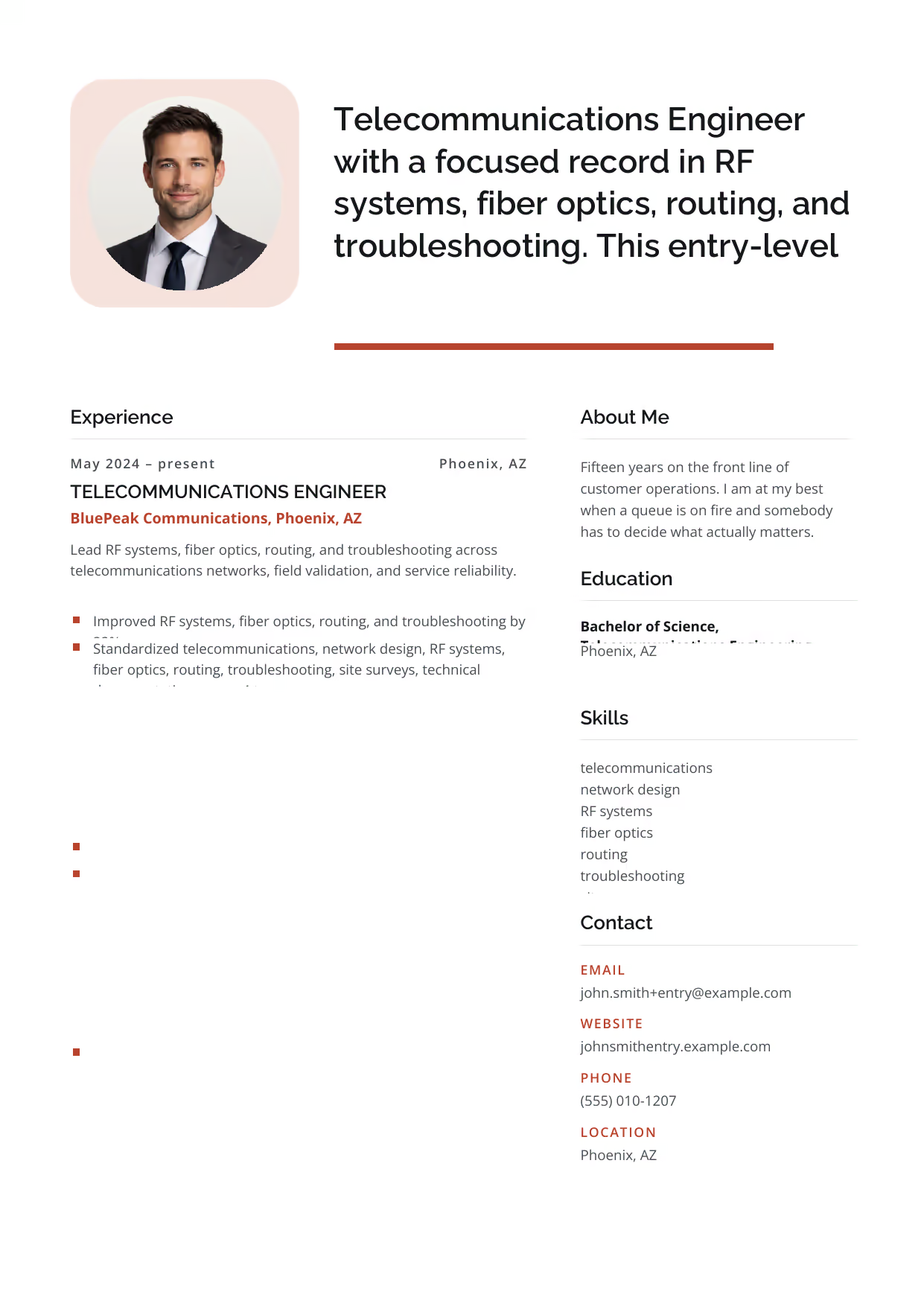
Telecommunications Engineer
A builder-ready entry-level Telecommunications Engineer example in the Andromeda template, showing stage-appropriate evidence in a focused, editable resume format.
- Editable role positioning in the Andromeda layout
- Role-specific evidence and delivery context
- Review the Andromeda structure with a clean visual hierarchy
View this resume

Telecommunications Engineer
A builder-ready entry-level Telecommunications Engineer example in the Caelum template, showing stage-appropriate evidence in a focused, editable resume format.
- Editable role positioning in the Caelum layout
- Role-specific evidence and delivery context
- Review the Caelum structure with a clean visual hierarchy
View this resume
Mid-Level Telecommunications Engineer Resume (3-7 Years Experience)
Use these mid-level examples to compare the scope, evidence, and language expected for Telecommunications Engineer roles at this stage.
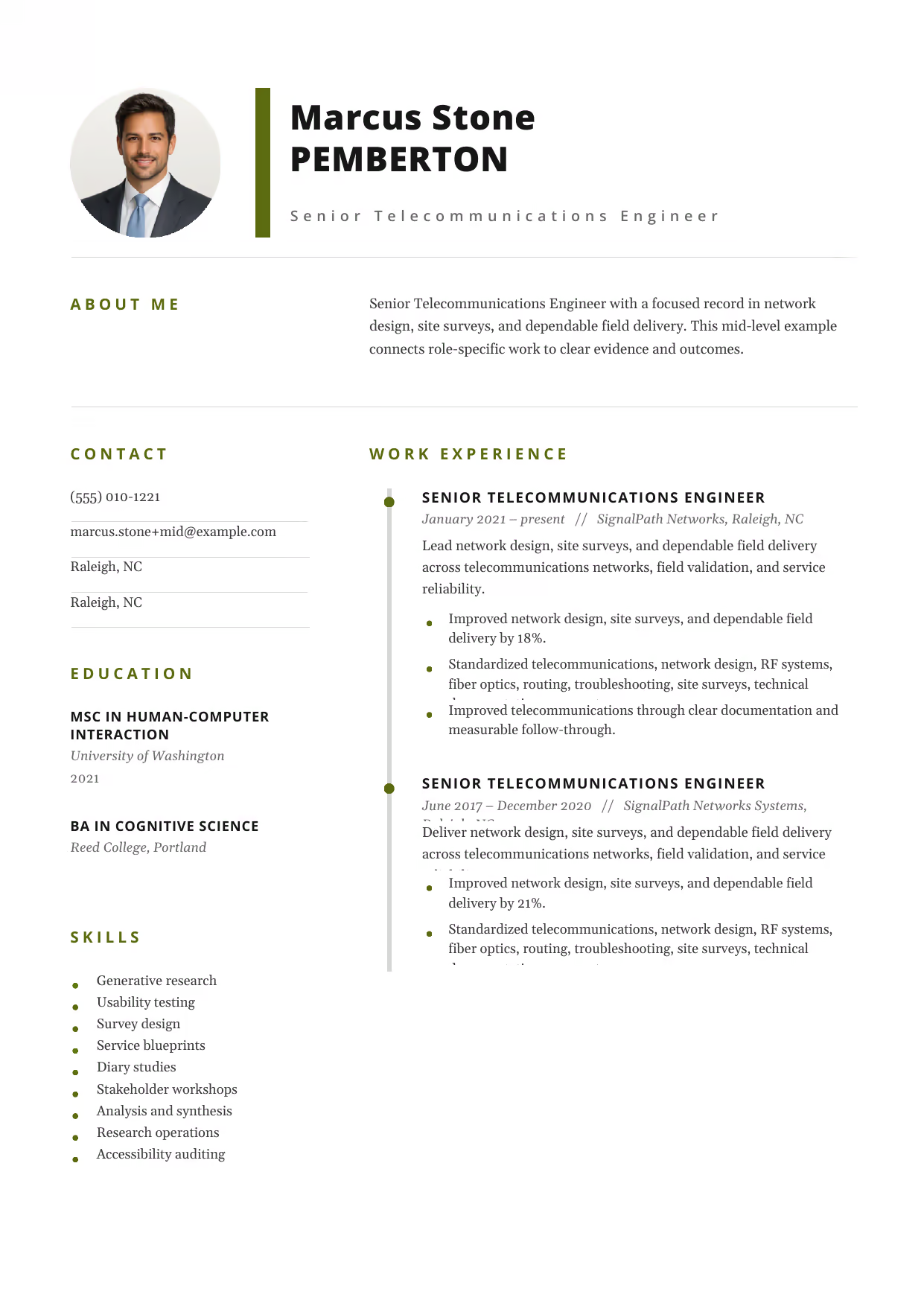
Senior Telecommunications Engineer
A builder-ready mid-level Telecommunications Engineer example in the Pegasus template, showing stage-appropriate evidence in a focused, editable resume format.
- Editable role positioning in the Pegasus layout
- Role-specific evidence and delivery context
- Review the Pegasus structure with a clean visual hierarchy
View this resume
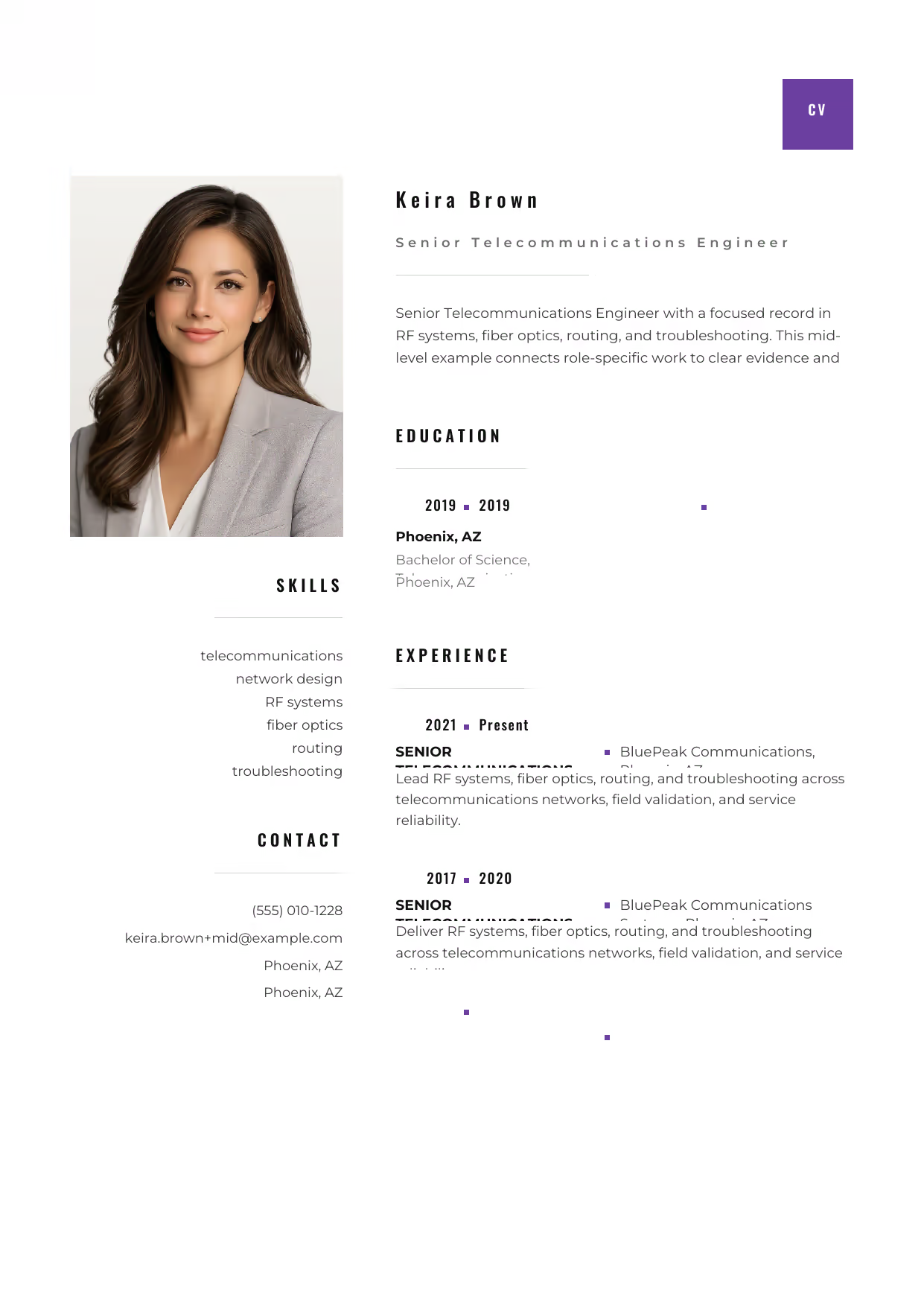
Senior Telecommunications Engineer
A builder-ready mid-level Telecommunications Engineer example in the Pyxis template, showing stage-appropriate evidence in a focused, editable resume format.
- Editable role positioning in the Pyxis layout
- Role-specific evidence and delivery context
- Review the Pyxis structure with a clean visual hierarchy
View this resume
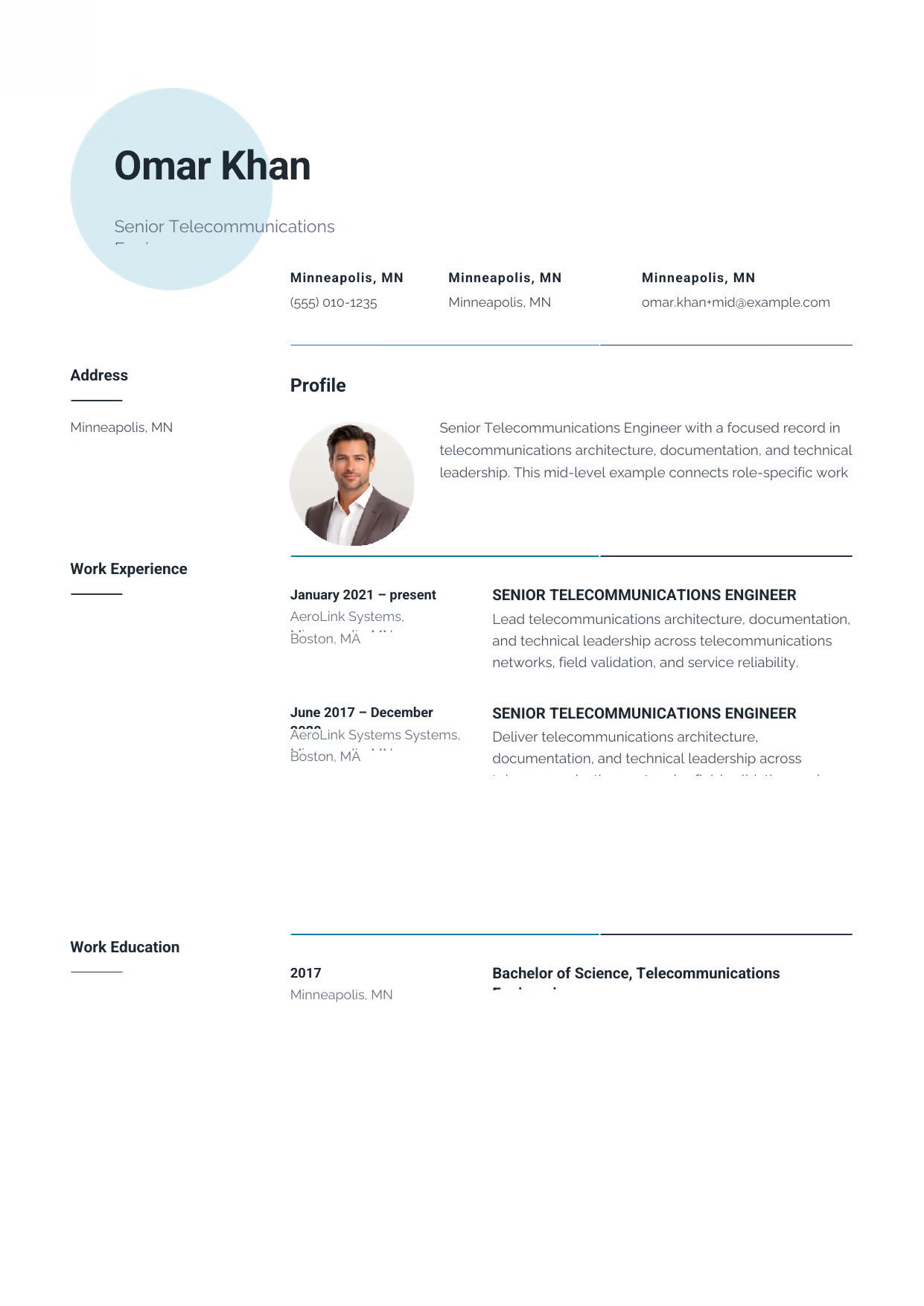
Senior Telecommunications Engineer
A builder-ready mid-level Telecommunications Engineer example in the Pavo template, showing stage-appropriate evidence in a focused, editable resume format.
- Editable role positioning in the Pavo layout
- Role-specific evidence and delivery context
- Review the Pavo structure with a clean visual hierarchy
View this resume
Senior Telecommunications Engineer Resume (8+ Years / Management)
Use these advanced examples to compare the scope, evidence, and language expected for Telecommunications Engineer roles at this stage.
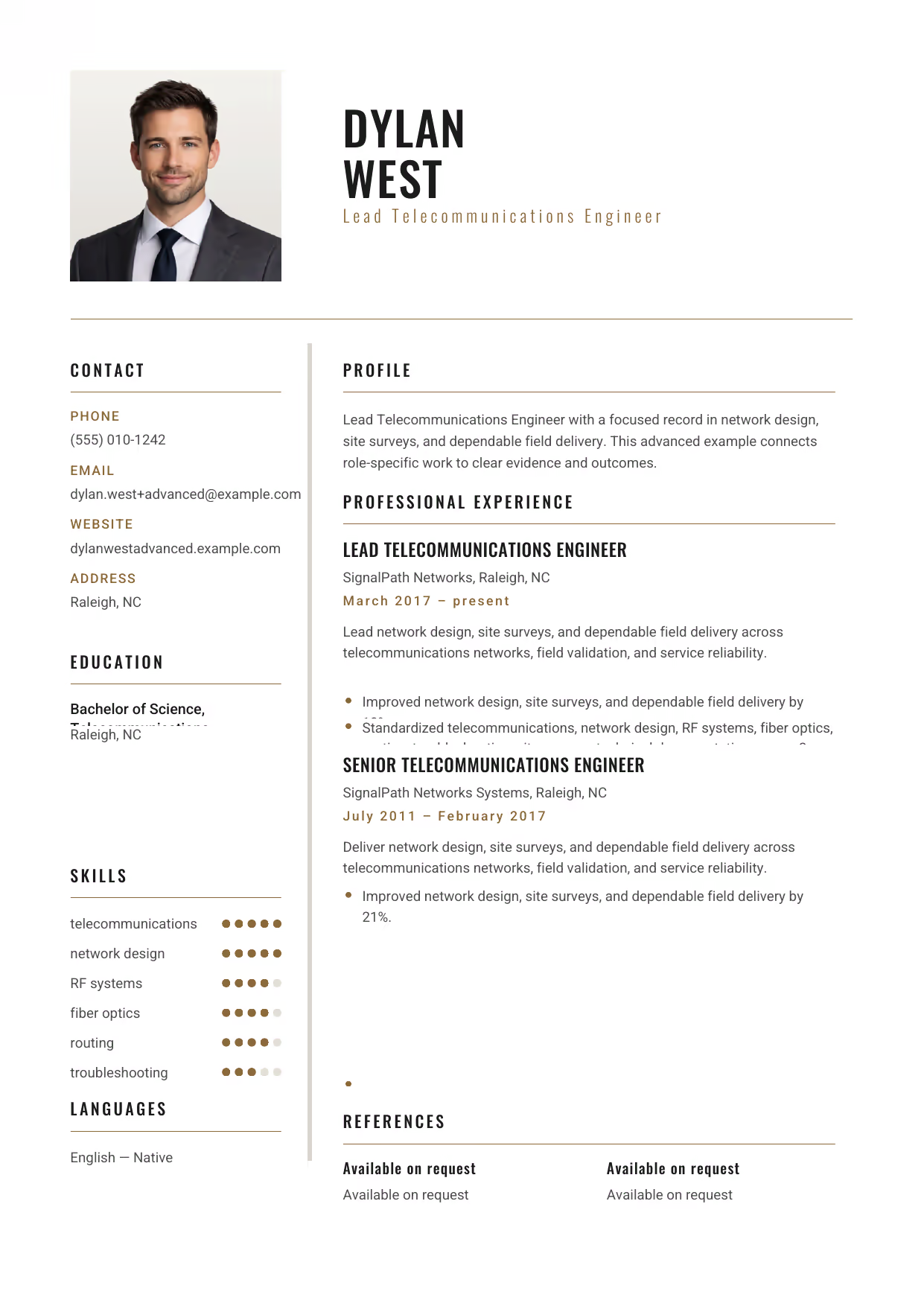
Lead Telecommunications Engineer
A builder-ready advanced Telecommunications Engineer example in the Acamar template, showing stage-appropriate evidence in a focused, editable resume format.
- Editable role positioning in the Acamar layout
- Role-specific evidence and delivery context
- Review the Acamar structure with a clean visual hierarchy
View this resume
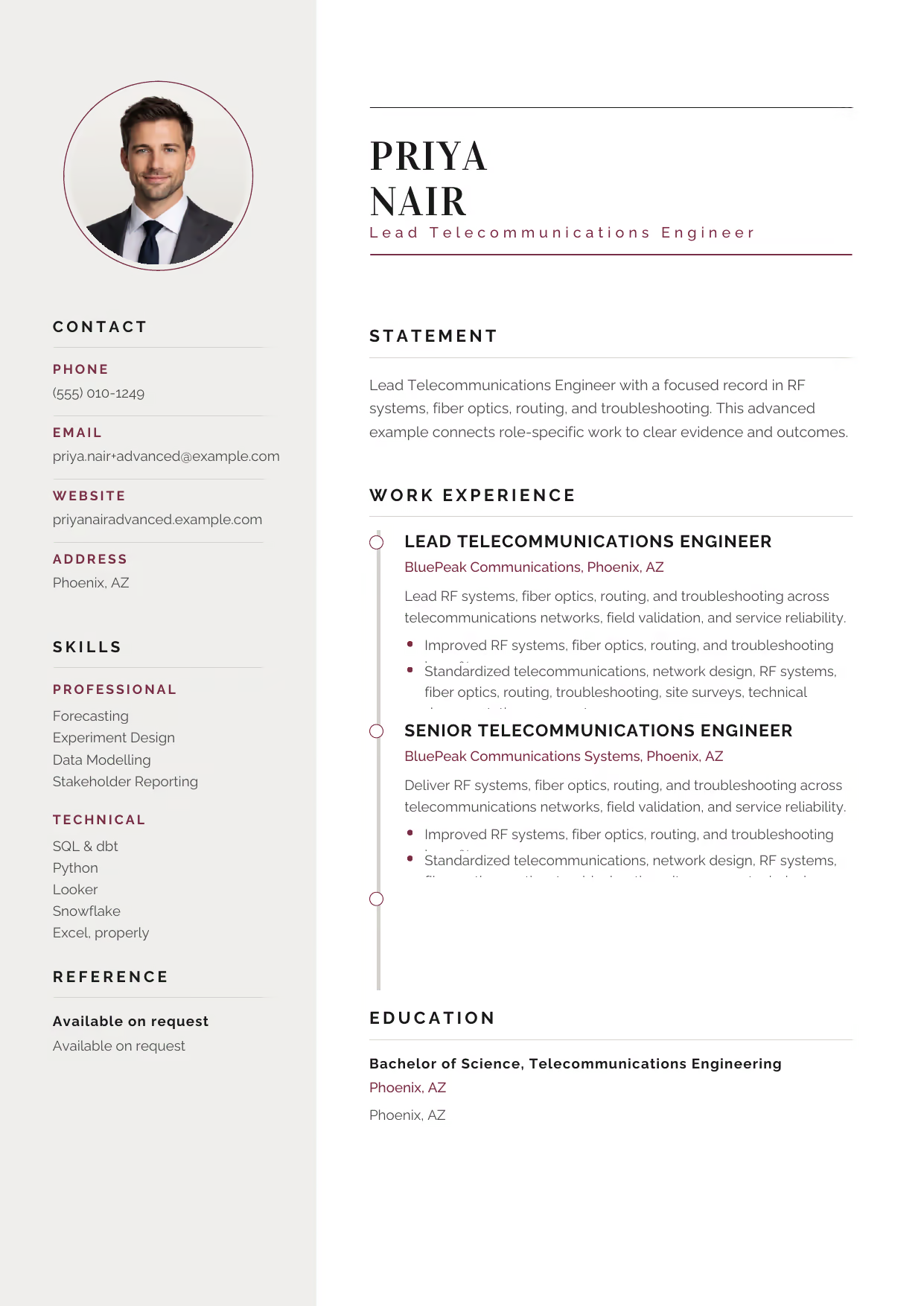
Lead Telecommunications Engineer
A builder-ready advanced Telecommunications Engineer example in the Cetus template, showing stage-appropriate evidence in a focused, editable resume format.
- Editable role positioning in the Cetus layout
- Role-specific evidence and delivery context
- Review the Cetus structure with a clean visual hierarchy
View this resume

Lead Telecommunications Engineer
A builder-ready advanced Telecommunications Engineer example in the Bootes template, showing stage-appropriate evidence in a focused, editable resume format.
- Editable role positioning in the Bootes layout
- Role-specific evidence and delivery context
- Review the Bootes structure with a clean visual hierarchy
View this resume
How to Write a Telecommunications Engineer Resume
The Resume Summary
The resume summary is your chance to make a strong first impression. It should be a concise overview of your skills, experience, and career goals.
Formula: Years of Experience + Key Skills + Notable Achievement + Career Goal
Example (Entry-Level): Recent Electrical Engineering graduate with strong skills in network design and troubleshooting. Eager to apply technical expertise to contribute to the development of reliable communication networks.
Example (Mid-Level): Results-oriented Telecommunications Engineer with 5+ years of experience in optimizing network performance and implementing VoIP solutions. Improved network uptime by 15% and reduced communication costs by 25%. Seeking to leverage expertise to drive innovation and efficiency.
Example (Senior-Level): Highly accomplished Senior Telecommunications Engineer with 12+ years of experience in leading teams and managing large-scale network projects. Managed a budget of $1 million+ and improved network performance by 30%. Seeking to leverage leadership skills to drive strategic network initiatives.
Work Experience & Action Verbs
Focus on achievements rather than just listing duties. Quantify your accomplishments whenever possible to demonstrate the impact of your work.
- Before: Responsible for network troubleshooting. After: Resolved complex network issues, minimizing downtime by 15%.
- Before: Assisted with network design. After: Contributed to the design of a new network architecture that improved scalability by 20%.
- Before: Managed network security. After: Implemented security protocols that reduced network vulnerabilities by 25%.
- Before: Worked on VoIP implementation. After: Implemented a VoIP system that reduced communication costs by 25%.
- Before: Supported wireless network deployment. After: Led the deployment of a new wireless network infrastructure, supporting 500+ users.
Top Skills for Telecommunications Engineers
- Hard Skills:
- Network Design
- Troubleshooting
- Telecommunications Protocols (TCP/IP, SIP)
- Wireless Communication
- Signal Processing
- RF Engineering
- Spectrum Analysis
- Soft Skills:
- Problem-solving
- Communication
- Teamwork
- Analytical Skills
- Time Management
- Leadership
- Tools/Software:
- MATLAB
- Wireshark
- Network Simulation Tools
- Cisco Packet Tracer
- Network Management Systems (NMS)
- Linux
Education & Certifications
For entry-level candidates, list education prominently, including relevant coursework. For mid-level and senior candidates, focus on certifications and advanced degrees.
Required or recommended certifications include:
- Cisco Certified Network Associate (CCNA)
- Cisco Certified Network Professional (CCNP)
- Cisco Certified Internetwork Expert (CCIE)
- Project Management Professional (PMP)
10 Common Telecommunications Engineer Resume Mistakes
-
Generic Resume Summary:A vague summary fails to grab attention.
Impact: Recruiters skip to the next candidate.
Quick Fix: Tailor the summary to the specific job, highlighting relevant skills and achievements. -
Listing Duties Instead of Impact:Describing responsibilities doesn’t show your value.
Impact: Hiring managers can’t gauge your effectiveness.
Quick Fix: Quantify accomplishments with metrics like improved network uptime or reduced costs. -
Neglecting Keywords:Failing to include industry-specific terms hurts your chances.
Impact: The ATS rejects your resume.
Quick Fix: Research common keywords for Telecommunications Engineer roles and incorporate them naturally. -
Poor Formatting:A cluttered or confusing layout makes it hard to read.
Impact: Recruiters dismiss your resume.
Quick Fix: Use a clean, professional template with clear headings and bullet points. -
Grammatical Errors:Typos and grammatical mistakes reflect poorly on your attention to detail.
Impact: Hiring managers question your professionalism.
Quick Fix: Proofread carefully and use grammar-checking tools. -
Omitting Skills Section:A missing skills section makes it difficult for recruiters to assess your qualifications.
Impact: Your resume is overlooked.
Quick Fix: Include a dedicated skills section with both technical and soft skills relevant to Telecommunications Engineering. -
Ignoring ATS Optimization:A resume not optimized for ATS systems is likely to be missed.
Impact: Your resume never reaches a human.
Quick Fix: Use a simple format, avoid tables, and use standard headings to ensure the ATS can parse your resume correctly. -
Not Tailoring to the Job Description:Sending a generic resume shows lack of interest.
Impact: Your resume is seen as irrelevant.
Quick Fix: Customize your resume for each application, highlighting the skills and experience most relevant to the specific role, especially those that mention specific Telecom protocols. -
Lack of Specificity in Technical Skills:Simply listing “Networking” isn’t enough.
Impact: Employers can’t assess your specific abilities.
Quick Fix: Detail your proficiency with specific routing protocols (BGP, OSPF), security tools (firewalls, intrusion detection systems), and cloud platforms (AWS, Azure). -
Ignoring Certifications:Failing to highlight relevant certifications diminishes your credibility.
Impact: You miss an opportunity to showcase your expertise.
Quick Fix: Prominently display certifications like CCNA, CCNP, and CCIE, as they validate your knowledge and skills.
Frequently Asked Questions (Telecommunications Engineer)
By following these guidelines and tailoring your resume to each job application, you can increase your chances of landing your dream Telecommunications Engineer position. Remember to Search more Telecommunications Engineer resources on our site to further refine your job search strategy.



Keep Exploring! There’s More to Discover:


