
Research Associate Resume Examples
Research Associate Resume Examples & Guide
Landing a Research Associate position can be tough. Applicant Tracking Systems (ATS) filter out many qualified candidates, and the competition is fierce. This guide provides Research Associate resume examples tailored for every experience level, from students to industry veterans, to help you stand out.
- Quantify Achievements: Use numbers to showcase the impact of your research and contributions.
- Highlight Relevant Skills: Emphasize skills like data analysis, statistical software, and laboratory techniques.
- Tailor to Job Description: Customize your resume to match the specific requirements and keywords in each job posting.
- Optimize for ATS: Use a clean, simple format that is easily readable by Applicant Tracking Systems.
- Use Action Verbs: Start each bullet point with strong action verbs to describe your responsibilities and accomplishments.
- Showcase Publications: List any publications or presentations to highlight your research expertise.
- Emphasize Collaboration: Research often involves teamwork, so highlight your ability to collaborate effectively.
Let’s dive into some Research Associate resume examples to see these tips in action.
Explore editable Research Associate resume examples by career stage. Each sample opens in the RockStarCV builder so you can study the structure and make your own version.
Entry-Level Research Associate Resume (0-2 Years Experience)
Use these entry-level examples to compare the scope, evidence, and language expected for Research Associate roles at this stage.
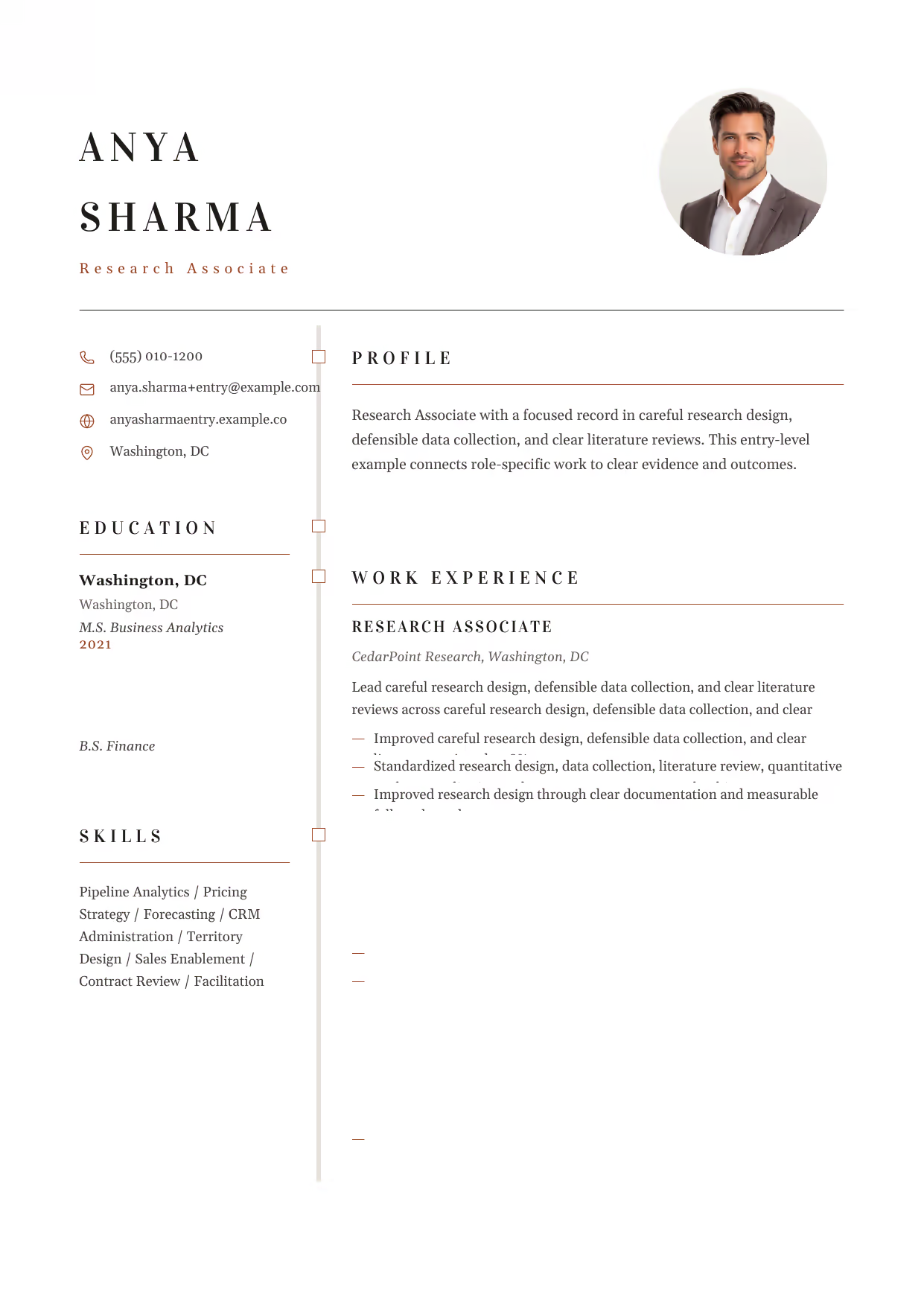
Research Associate
A builder-ready entry-level Research Associate example in the Draco template, showing stage-appropriate evidence in a focused, editable resume format.
- Editable role positioning in the Draco layout
- Role-specific evidence and delivery context
- Review the Draco structure with a clean visual hierarchy
View this resume

Research Associate
A builder-ready entry-level Research Associate example in the Andromeda template, showing stage-appropriate evidence in a focused, editable resume format.
- Editable role positioning in the Andromeda layout
- Role-specific evidence and delivery context
- Review the Andromeda structure with a clean visual hierarchy
View this resume
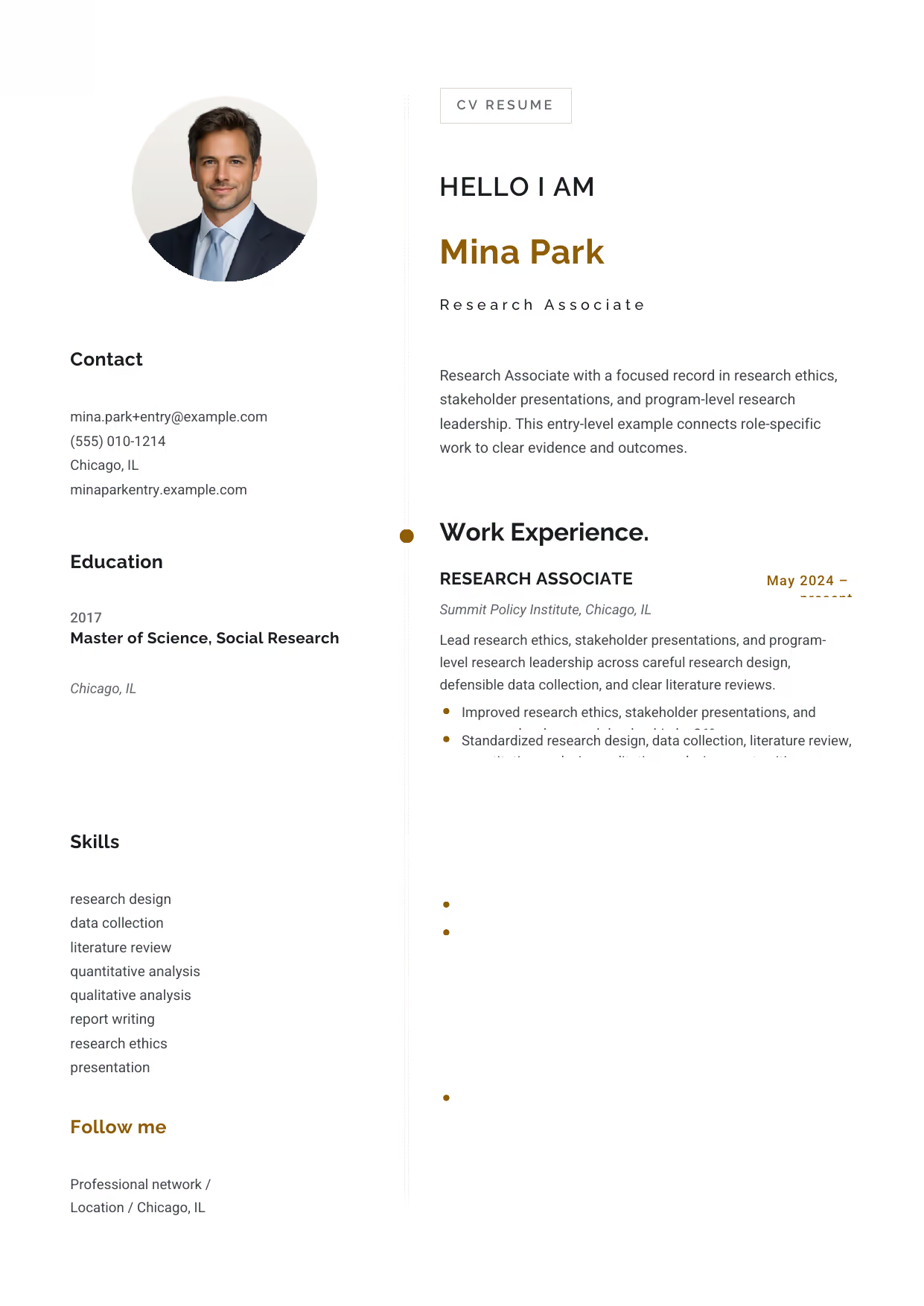
Research Associate
A builder-ready entry-level Research Associate example in the Eridanus template, showing stage-appropriate evidence in a focused, editable resume format.
- Editable role positioning in the Eridanus layout
- Role-specific evidence and delivery context
- Review the Eridanus structure with a clean visual hierarchy
View this resume
Mid-Level Research Associate Resume (3-7 Years Experience)
Use these mid-level examples to compare the scope, evidence, and language expected for Research Associate roles at this stage.
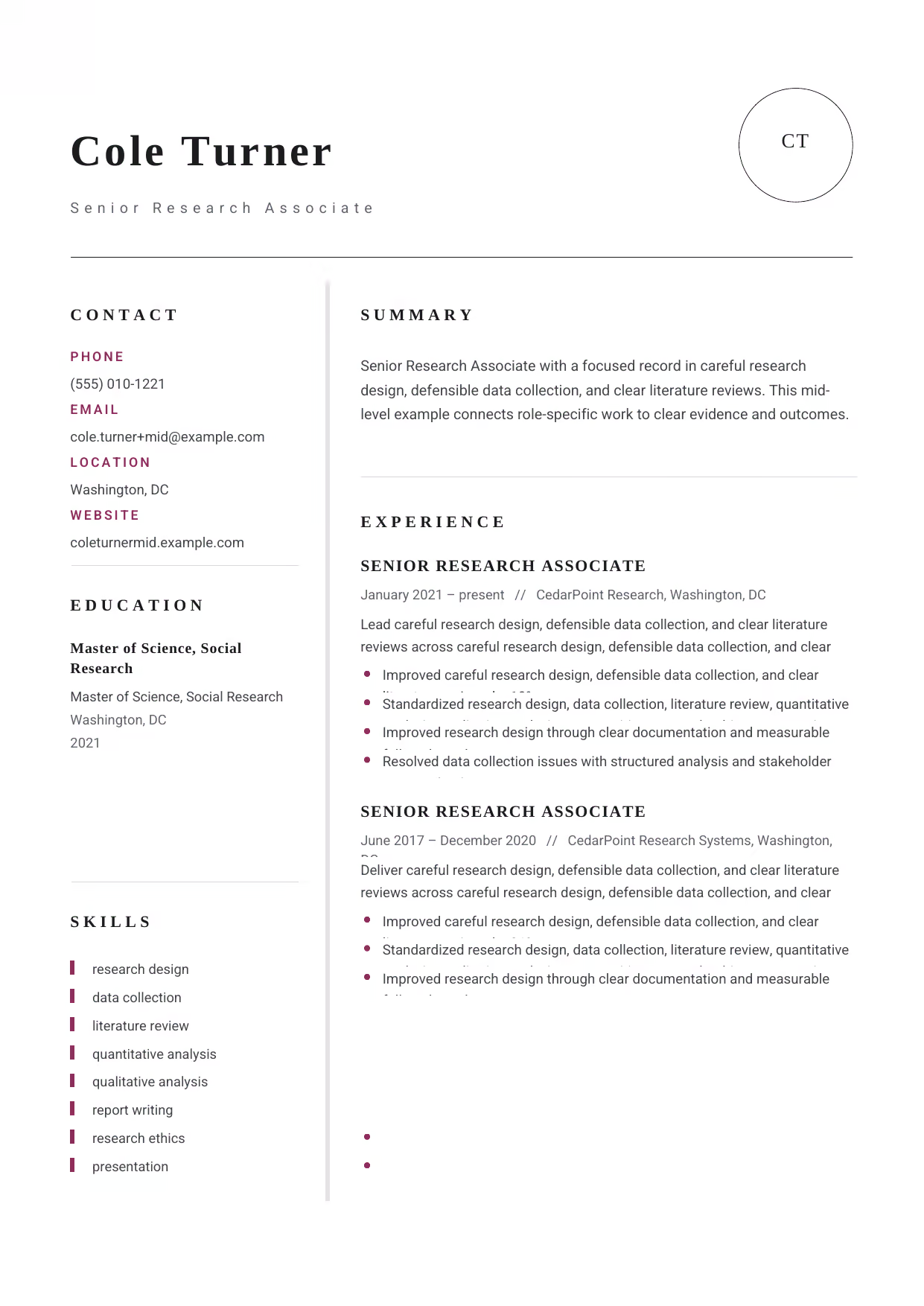
Senior Research Associate
A builder-ready mid-level Research Associate example in the Grus template, showing stage-appropriate evidence in a focused, editable resume format.
- Editable role positioning in the Grus layout
- Role-specific evidence and delivery context
- Review the Grus structure with a clean visual hierarchy
View this resume
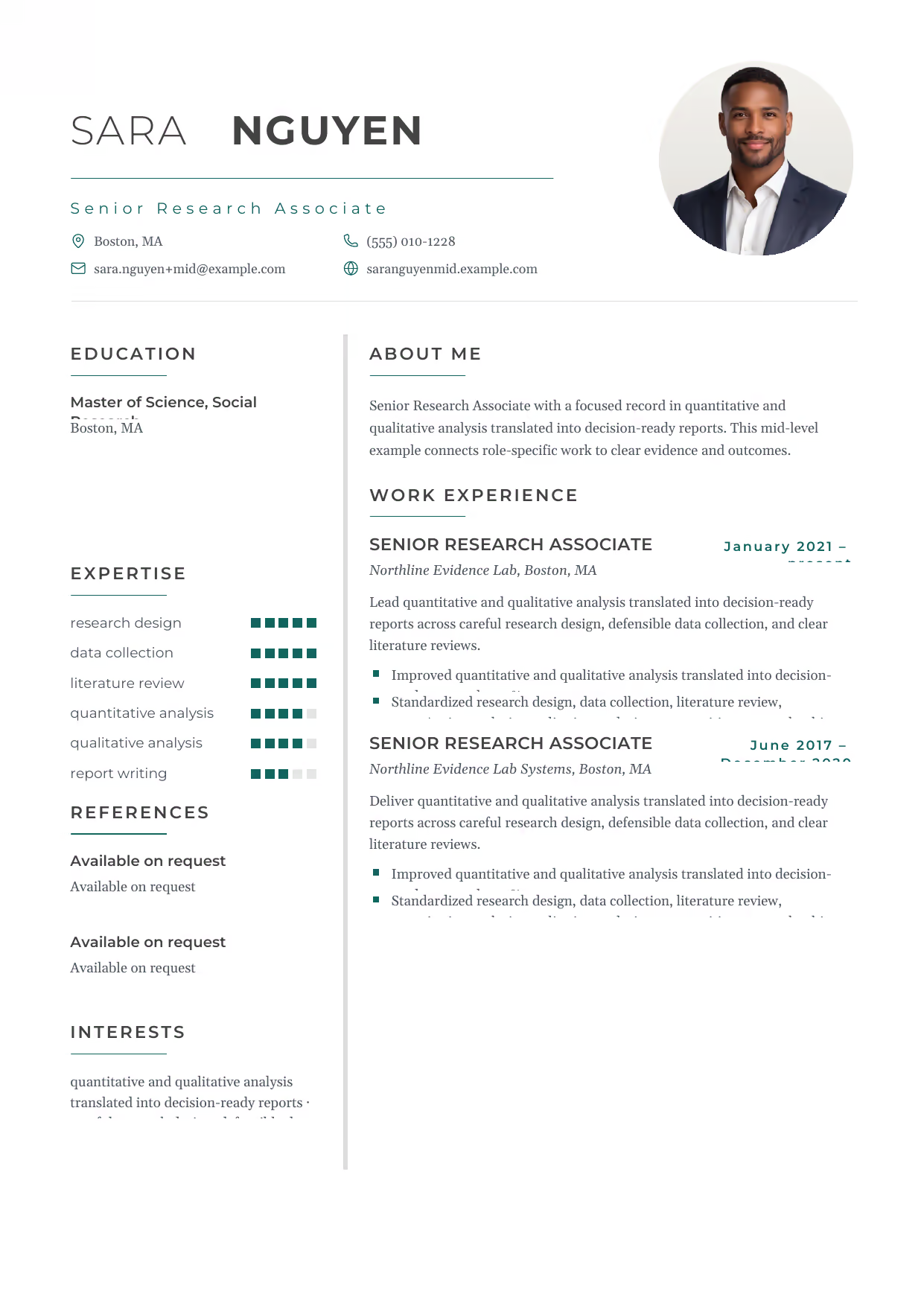
Senior Research Associate
A builder-ready mid-level Research Associate example in the Achernar template, showing stage-appropriate evidence in a focused, editable resume format.
- Editable role positioning in the Achernar layout
- Role-specific evidence and delivery context
- Review the Achernar structure with a clean visual hierarchy
View this resume
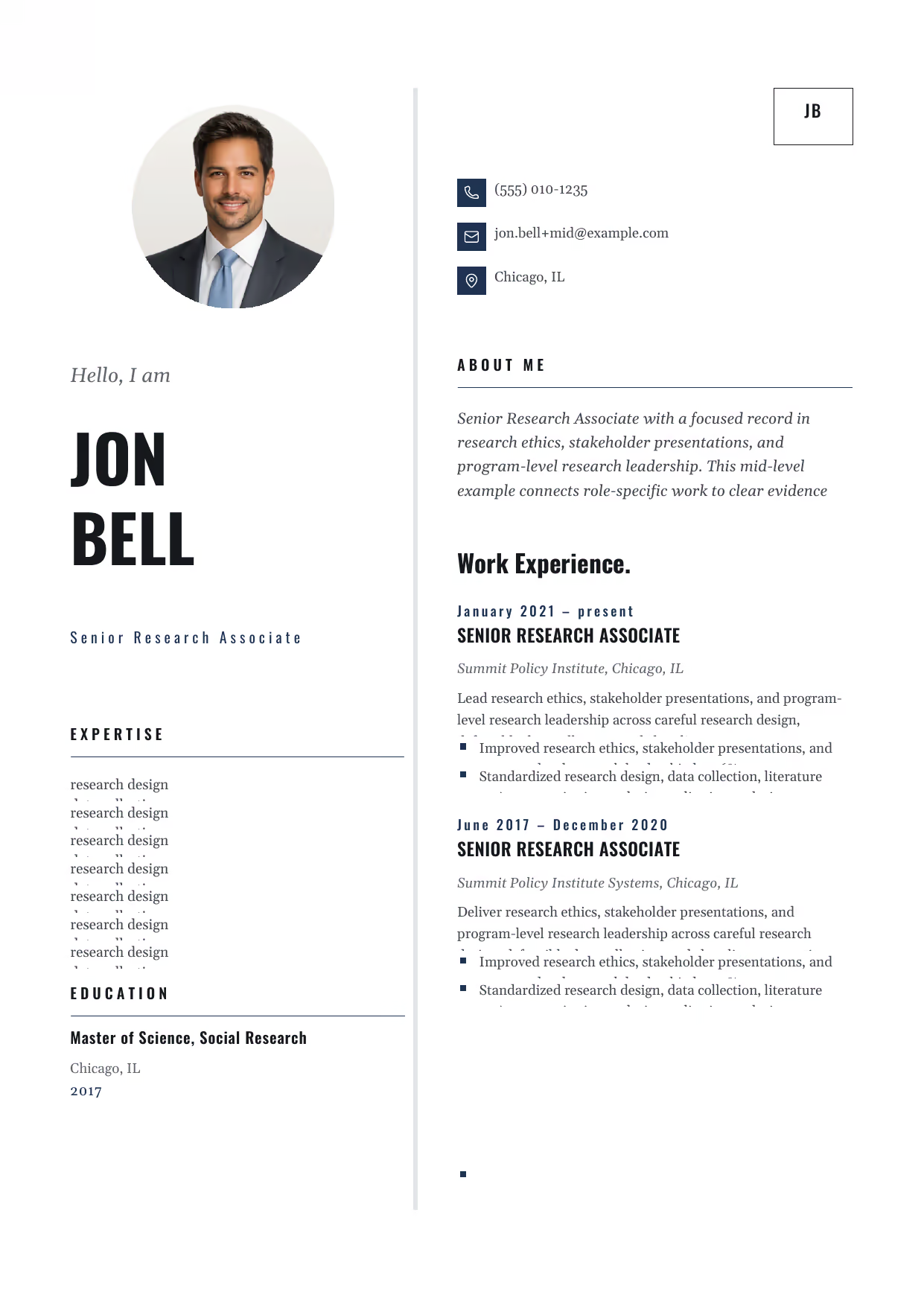
Senior Research Associate
A builder-ready mid-level Research Associate example in the Equuleus template, showing stage-appropriate evidence in a focused, editable resume format.
- Editable role positioning in the Equuleus layout
- Role-specific evidence and delivery context
- Review the Equuleus structure with a clean visual hierarchy
View this resume
Senior Research Associate Resume (8+ Years / Management)
Use these advanced examples to compare the scope, evidence, and language expected for Research Associate roles at this stage.
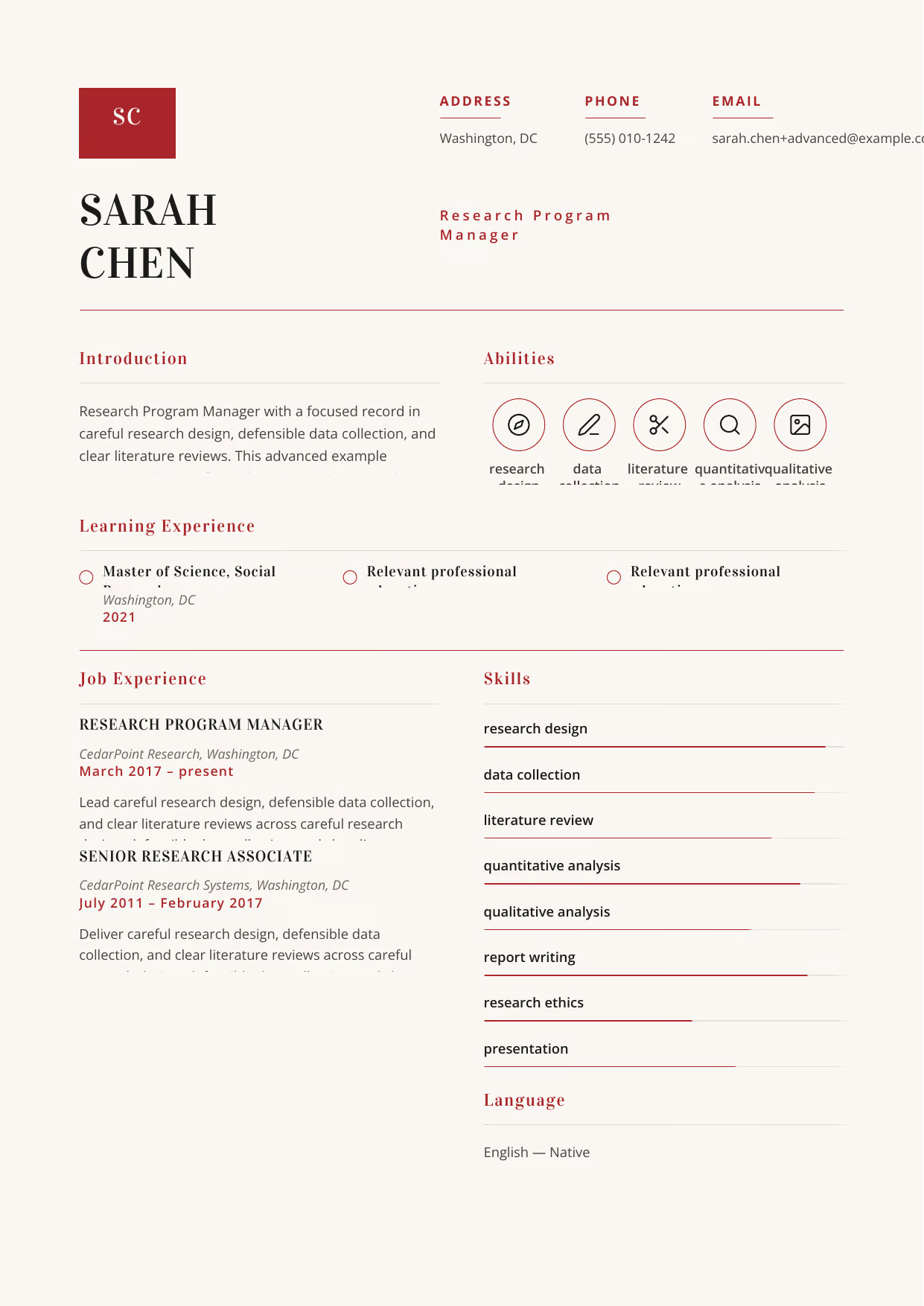
Research Program Manager
A builder-ready advanced Research Associate example in the Delphinus template, showing stage-appropriate evidence in a focused, editable resume format.
- Editable role positioning in the Delphinus layout
- Role-specific evidence and delivery context
- Review the Delphinus structure with a clean visual hierarchy
View this resume

Research Program Manager
A builder-ready advanced Research Associate example in the Caelum template, showing stage-appropriate evidence in a focused, editable resume format.
- Editable role positioning in the Caelum layout
- Role-specific evidence and delivery context
- Review the Caelum structure with a clean visual hierarchy
View this resume
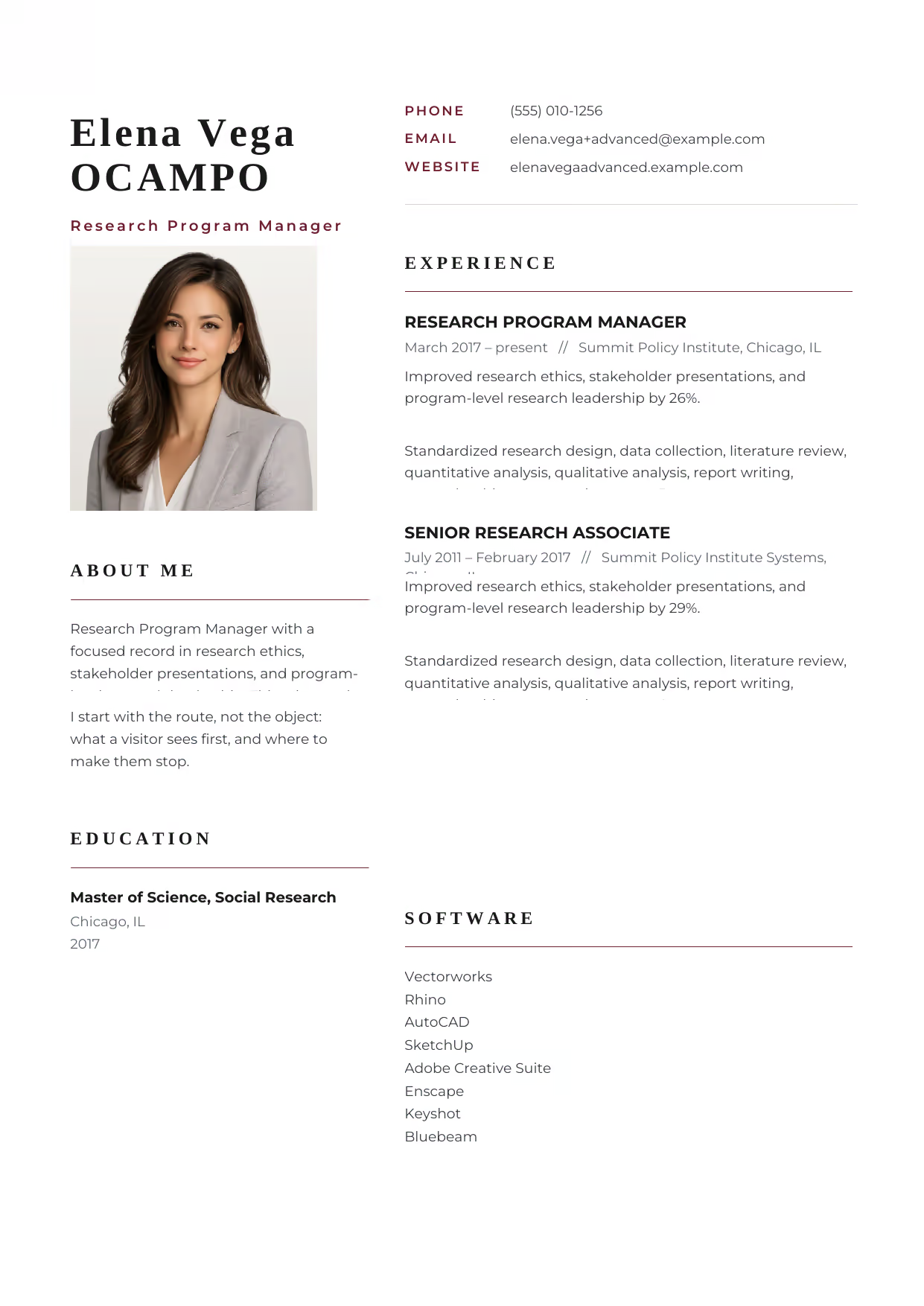
Research Program Manager
A builder-ready advanced Research Associate example in the Hydra template, showing stage-appropriate evidence in a focused, editable resume format.
- Editable role positioning in the Hydra layout
- Role-specific evidence and delivery context
- Review the Hydra structure with a clean visual hierarchy
View this resume
How to Write a Research Associate Resume
The Resume Summary
The resume summary is your chance to make a strong first impression. It should concisely highlight your key skills, experience, and career goals.
Formula: [Years of Experience] + [Job Title] + [Key Skills] + [Biggest Achievement] + [Career Goal]
Entry-Level Example: Enthusiastic and detail-oriented recent graduate with a Bachelor of Science in Biology seeking an Entry-Level Research Associate position. Eager to apply academic knowledge and strong analytical skills to contribute to impactful research projects.
Mid-Level Example: Highly motivated Research Associate with 5+ years of experience in data analysis, statistical modeling, and scientific writing. Proven ability to contribute to impactful research projects and publications.
Senior Example: Results-oriented Senior Research Associate with 10+ years of experience in leading research projects, managing teams, and securing grant funding. Proven ability to develop and implement innovative research strategies that drive impactful outcomes.
Work Experience & Action Verbs
The work experience section is where you showcase your accomplishments and demonstrate your value to potential employers. Focus on achievements rather than just listing duties.
Duties describe what you were responsible for, while achievements highlight the impact of your work. Use action verbs to start each bullet point and quantify your results whenever possible.
- Before: Responsible for data collection. After: Collected and analyzed data from over 100 participants, resulting in a 15% improvement in data accuracy.
- Before: Assisted with literature reviews. After: Conducted comprehensive literature reviews, identifying key trends and gaps in the research that informed the project’s direction.
- Before: Wrote research reports. After: Authored 10+ research reports, which were used to secure $50,000 in additional funding.
- Before: Managed laboratory equipment. After: Implemented a new maintenance schedule for laboratory equipment, reducing downtime by 20%.
- Before: Collaborated with other researchers. After: Collaborated with a team of 5 researchers to design and implement a research study that was published in a peer-reviewed journal.
Top Skills for Research Associates
Highlighting the right skills can make your resume stand out to both ATS and human recruiters. Here are some top skills to include:
- Hard Skills:
- Data Analysis
- Statistical Modeling
- Scientific Writing
- Experimental Design
- Grant Writing
- Laboratory Techniques
- Soft Skills:
- Critical Thinking
- Problem-Solving
- Communication
- Collaboration
- Attention to Detail
- Time Management
- Tools/Software:
- SAS
- Python
- R
- SPSS
- MATLAB
- GraphPad Prism
Education & Certifications
The education section should include your degrees, relevant coursework, and any honors or awards. For entry-level candidates, list your GPA if it’s above 3.5. For experienced candidates, focus on advanced degrees and certifications.
Relevant Certifications:
- PMP (Project Management Professional)
- Certified Research Administrator (CRA)
- Certified IRB Professional (CIP)
10 Common Research Associate Resume Mistakes
-
Generic Objective Statements:Using a vague objective like “Seeking a challenging position” wastes valuable resume space. Instead, tailor your summary to the specific role and highlight your key qualifications. This helps you immediately grab the recruiter’s attention.
-
Listing Duties Instead of Impact:Recruiters know what a Research Associate does; they want to know how well you did it. Replace passive phrases like âResponsible for data entry’ with quantified wins like âReduced data entry errors by 15% through process improvements’.
-
Ignoring Keywords:Applicant Tracking Systems (ATS) scan resumes for specific keywords related to the job. Failing to include these keywords can result in your resume being automatically rejected. Carefully review the job description and incorporate relevant skills and qualifications.
-
Poor Formatting:A cluttered or disorganized resume is difficult to read and can make it hard for recruiters to find the information they need. Use a clean, professional format with clear headings and bullet points. Ensure proper spacing and font sizes for readability.
-
Grammar and Spelling Errors:Typos in general are bad, but misspelling critical tools or certifications (like âSPSS’, âMATLAB’, or âCRA’) acts as an immediate red flag regarding your attention to detail. Proofread carefully or use a grammar checker to catch any mistakes.
-
Lack of Quantifiable Results:Without numbers, your accomplishments lack credibility. Whenever possible, quantify your achievements to demonstrate the impact of your work. For instance, mention the number of reports you wrote, the amount of grant funding you secured, or the percentage improvement you achieved.
-
Irrelevant Information:Including irrelevant information, such as hobbies or unrelated work experience, can distract from your key qualifications. Focus on the skills and experiences that are directly relevant to the Research Associate position.
-
Inconsistent Tense:Using inconsistent tense (e.g., mixing past and present tense) can make your resume appear unprofessional. Use past tense to describe previous roles and present tense to describe your current role.
-
Not Tailoring to the Job Description:Submitting the same generic resume for every job application is a common mistake. Tailor your resume to match the specific requirements and keywords in each job posting. This shows that you’ve taken the time to understand the role and are genuinely interested in the opportunity.
-
Omitting Key Skills:Failing to highlight essential skills, such as data analysis, statistical modeling, or scientific writing, can weaken your resume. Create a dedicated skills section and list both hard and soft skills relevant to the Research Associate position.
Frequently Asked Questions (Research Associate)
Crafting a compelling Research Associate resume is crucial for landing your dream job. By following the tips and examples in this guide, you can create a resume that showcases your skills, experience, and potential.
To further refine your application and discover other job-winning strategies, Search more Research Associate resources on our site.



Keep Exploring! There’s More to Discover:


