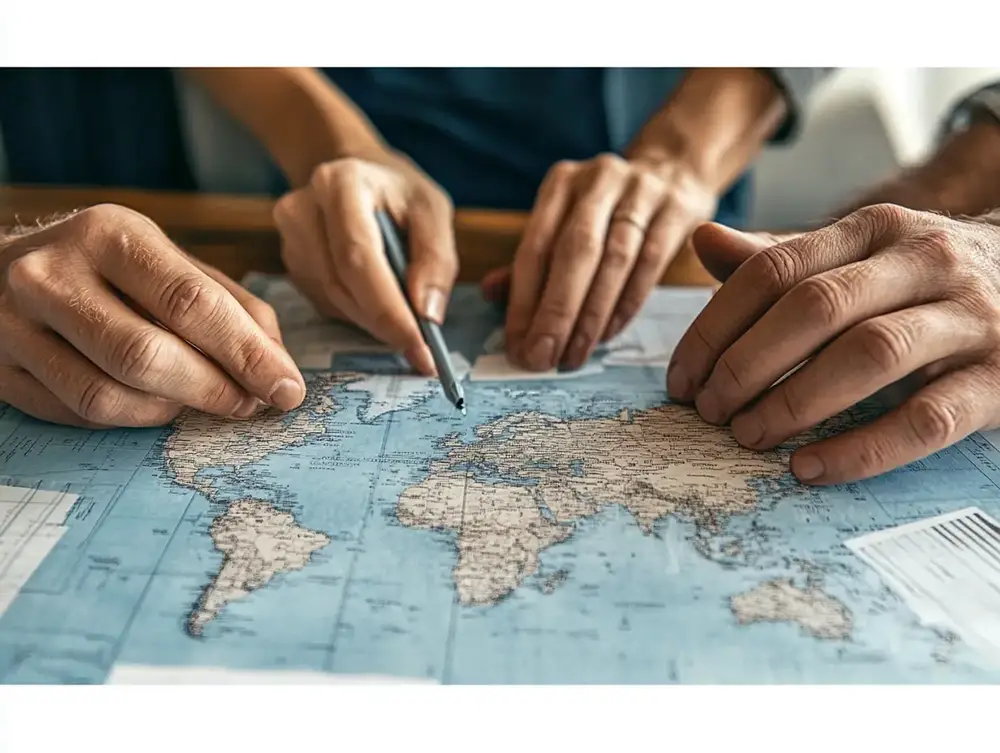
Embarking on the Path of Cultural Understanding
In an increasingly globalized world, the ability to navigate diverse cultures is not only a highly valued skill, but a necessity. This is where cultural competence comes into play. It’s the ability to understand, communicate with, and effectively interact with people from various socio-cultural backgrounds. It’s about more than being aware of cultural differences, it is about being able to adapt and respond to these differences in a respectful and understanding way.
Individuals and organizations alike are recognizing the importance of cultural competence, and consequently, it has become a common topic in interviews across industries. Interviewers want to know if you can work effectively in a diverse team, if you can serve diverse clients or customers, and if you can contribute to an inclusive workplace culture. As such, it’s crucial to be prepared for questions about cultural competence.
But how does one prepare for such a broad and complex topic? Fear not, for in this article, we’ll guide you through the process. You’ll learn what cultural competence really means, why it’s important, and how you can demonstrate it. We’ll also provide you with potential interview questions and tips on how to answer them effectively. By the end of this article, you’ll feel confident and ready to showcase your cultural competence in any situation.
So buckle up, and let’s dive into the rewarding journey towards cultural competence!
The Significance of Embracing Cultural Competence
In today’s increasingly interconnected world, understanding and appreciating cultural differences is more important than ever. This is especially true in professional settings where collaboration and communication across diverse backgrounds can significantly impact outcomes. Cultural competence refers to the ability to interact effectively with people of various backgrounds, encompassing race, ethnicity, religion, gender, sexual orientation, and more. It is not merely a buzzword; it is a crucial skill set that can enhance relationships, foster innovation, and drive success.
Why does cultural competence matter? To begin with, it promotes inclusivity. In a workplace that values diversity, employees feel respected and valued, leading to improved morale and productivity. When team members feel safe to express their unique perspectives, creativity flourishes. A study by the Harvard Business Review found that diverse teams are more innovative and make better decisions, as they bring a variety of viewpoints to the table.
Moreover, cultural competence can significantly enhance communication. Misunderstandings arising from cultural differences can lead to conflict and hinder collaboration. By developing cultural awareness and sensitivity, individuals can navigate these complexities more effectively. For instance, understanding the nuances of non-verbal communication across cultures can prevent misinterpretations and foster a more harmonious work environment.
In addition to improving interpersonal relationships, cultural competence also plays a pivotal role in customer relations and business success. Companies that prioritize cultural understanding can better cater to the needs of a diverse customer base. According to a report from McKinsey & Company, organizations with greater ethnic and racial diversity are 35% more likely to outperform their competitors. This statistic underscores the undeniable connection between cultural competence and competitive advantage in today’s global market.
Furthermore, as globalization continues to shape industries, cultural competence is more than just an asset—it is a necessity. Professionals are increasingly required to work with international clients and colleagues. Being culturally competent equips individuals with the tools to engage respectfully and effectively, mitigating the risk of cultural faux pas that could jeopardize business relationships.
Lastly, fostering cultural competence within an organization demonstrates a commitment to social responsibility. By embracing diversity and promoting equity, companies can contribute to a more just society. This not only enhances their reputation but also attracts talent who value inclusivity. In essence, cultural competence is not just an individual skill; it is a collective organizational ethos that can lead to long-term success.
In summary, the importance of embracing cultural competence cannot be overstated. It fosters inclusivity, enhances communication, drives business success, and promotes social responsibility. As we prepare to navigate the complexities of cultural questions, understanding these fundamental aspects will be essential for effective engagement and growth.
Mastering Cultural Competence: A Step-by-Step Approach
In today’s increasingly globalized world, cultural competence has emerged as a crucial skill set for professionals across various fields. Whether you’re a healthcare provider, educator, or business leader, understanding and respecting cultural differences can significantly enhance your interactions and improve outcomes. Preparing for questions related to cultural competence is not just about anticipating inquiries; it’s about embracing a mindset that values diversity and inclusivity.
The concept of cultural competence involves recognizing and appreciating the diverse backgrounds, values, and perspectives that individuals bring to the table. It requires a commitment to ongoing learning and self-reflection, as well as the ability to adapt your approach based on the cultural context of the people you engage with. By mastering this skill, you can foster healthier relationships, facilitate effective communication, and create a more inclusive environment for everyone involved.
This guide will walk you through essential steps to prepare for discussions on cultural competence. From understanding the foundational principles to practicing effective communication strategies, each step is designed to equip you with the knowledge and confidence needed to navigate this important topic. Here’s how you can get started:
Step 1: Educate Yourself on Cultural Awareness
The first step to becoming culturally competent is to educate yourself about different cultures and the values that shape them. This may involve reading books, attending workshops, or engaging with diverse communities. Resources such as documentaries, podcasts, and online courses can provide valuable insights into cultural histories, traditions, and social dynamics.
Step 2: Reflect on Your Own Cultural Identity
Understanding your own cultural background and biases is vital. Take time to reflect on how your upbringing, experiences, and societal influences have shaped your worldview. This self-awareness will help you recognize potential biases that may affect your interactions with individuals from different cultures.
Step 3: Develop Active Listening Skills
Active listening is a cornerstone of effective communication. It involves not only hearing the words spoken but also understanding the context and emotions behind them. Practice techniques such as summarizing what the other person has said, asking clarifying questions, and demonstrating empathy. This approach encourages open dialogue and shows that you value the other person’s perspective.
Step 4: Engage in Role-Playing Scenarios
Role-playing is an excellent method for preparing for real-life interactions. Engage with peers or mentors in simulated conversations where you can practice responding to questions about cultural differences and conflict resolution. This hands-on experience can enhance your confidence and help you develop appropriate responses for a variety of situations.
Step 5: Seek Feedback and Continuous Improvement
After engaging in discussions about cultural competence, seek feedback from others on your performance. Constructive criticism can provide valuable insights into areas for improvement. Additionally, embrace a mindset of continuous learning—stay informed about current events and evolving cultural dynamics to further enhance your understanding.
By following these steps, you will not only be better prepared to answer questions on cultural competence but also foster a more inclusive and respectful environment in your personal and professional life. Embrace the journey of cultural competence, and you will find that the rewards extend far beyond the ability to answer questions—they enrich your interactions with everyone around you.
Understanding the Missteps in Cultural Competence
As we navigate an increasingly interconnected world, the significance of cultural competence cannot be overstated. However, despite a growing awareness of its importance, many individuals and organizations stumble when discussing or implementing cultural competence in their practices. Understanding these common pitfalls can be the first step toward fostering a more inclusive and respectful environment.
One of the most prevalent missteps is the assumption that cultural competence is simply a checkbox to be ticked. Many believe that attending a single workshop or reading a few articles will suffice to understand the complexities of cultural interactions. This superficial approach neglects the ongoing learning and self-reflection required to truly appreciate diverse perspectives. Cultural competence is not a destination; it’s a continuous journey that involves evolving one’s mindset and practices.
Another common pitfall is the tendency to stereotype or generalize based on cultural backgrounds. While it’s essential to acknowledge cultural differences, doing so at the expense of individuality can lead to misunderstandings and reinforce biases. For instance, assuming that all members of a particular cultural group share the same values and experiences is not only inaccurate but can also alienate individuals who do not conform to these stereotypes. Effective cultural competence involves recognizing and valuing individual experiences within broader cultural contexts.
Moreover, many people fall into the trap of being overly cautious or politically correct, which can stifle open dialogue. While it’s crucial to be sensitive to cultural differences, an excessive focus on avoiding offense can lead to silence on important issues. This silence can hinder the development of genuine relationships and the sharing of diverse perspectives. Instead, fostering an environment where open discussions about culture, identity, and differences are encouraged can lead to deeper understanding and respect.
In addition, there is often a lack of practical application of cultural competence training. Many workshops focus heavily on theoretical knowledge without providing actionable strategies for real-world implementation. This disconnect can leave participants feeling unprepared to navigate culturally complex situations. Organizations should strive to integrate cultural competence into everyday practices, ensuring that the training translates into tangible actions and behaviors.
Lastly, a critical pitfall is the failure to involve diverse voices in the conversation. When discussions about cultural competence are led solely by individuals from a dominant culture, important insights and perspectives may be overlooked. Engaging representatives from various cultural backgrounds not only enriches the dialogue but also promotes authenticity and trust. Actively seeking out and listening to diverse voices can significantly enhance the understanding of cultural dynamics.
By recognizing these common pitfalls, individuals and organizations can take proactive steps to improve their cultural competence. It is essential to view cultural competence as an ongoing process of growth, characterized by continuous learning, respectful dialogue, and practical application. As we strive to create a more inclusive and understanding society, addressing these missteps will be integral to our success.
Mastering Cultural Competence: Expert Tips for Success
In today’s interconnected world, cultural competence is not just a desirable trait; it’s an essential skill that can significantly impact interpersonal relationships, workplace dynamics, and community interactions. Whether you are preparing for a job interview, engaging in community service, or simply looking to enhance your personal relationships, understanding cultural competence is crucial. This skill involves recognizing, understanding, and respecting different cultural backgrounds, beliefs, and practices, which can lead to more effective communication and collaboration.
As you embark on your journey to improve your cultural competence, here are some expert tips to guide you through the process:
1. Educate Yourself About Different Cultures
Knowledge is power. Start by researching the cultures you are likely to encounter in your personal and professional life. Read books, watch documentaries, and follow cultural blogs to gain insights into different ways of life. Pay particular attention to cultural norms, values, and communication styles, as these can vary significantly from one culture to another.
2. Reflect on Your Own Cultural Identity
Before you can understand others, it’s important to understand yourself. Reflect on your own cultural background and the biases or assumptions you may hold. This self-awareness can help you recognize your perspective and how it shapes your interactions with others. Consider keeping a journal to document your thoughts and experiences as you learn about cultural differences.
3. Engage in Active Listening
Listening is a key component of effective communication. Practice active listening by giving your full attention to the speaker, maintaining eye contact, and avoiding interruptions. Encourage individuals from diverse backgrounds to share their stories and experiences. By doing so, you not only learn about their culture but also demonstrate respect and openness.
4. Ask Questions with Curiosity
Don’t be afraid to ask questions. Inquire about cultural practices, traditions, and perspectives. Approach these conversations with genuine curiosity and a willingness to learn. This not only deepens your understanding but also fosters a sense of trust and connection with others.
5. Be Open to Feedback
Feedback is an invaluable tool for growth. Be receptive to constructive criticism regarding your cultural competence. If someone points out a misunderstanding or a bias, listen attentively and reflect on their input. Use this feedback as an opportunity to improve your understanding and interactions.
6. Participate in Cultural Events
Experience culture firsthand by attending cultural events, festivals, and workshops. These immersive experiences provide a unique opportunity to interact with individuals from diverse backgrounds and appreciate their traditions and customs. Engaging with different communities allows you to put your knowledge into practice and build meaningful relationships.
7. Embrace Diversity in Your Network
Surround yourself with a diverse group of friends, colleagues, and mentors. Engaging with individuals from various backgrounds not only broadens your perspective but also enriches your understanding of cultural nuances. This diversity can lead to more innovative ideas and solutions in collaborative environments.
8. Stay Informed About Current Events
Understanding the world around you is critical in enhancing your cultural competence. Stay updated on current events and issues affecting different communities. This awareness allows you to engage in informed discussions and demonstrates your commitment to understanding and supporting diverse perspectives.
9. Practice Empathy and Respect
At the heart of cultural competence lies empathy. Strive to understand others’ feelings and viewpoints, even if they differ from your own. Show respect for cultural practices and beliefs, and approach interactions with an open mind. This mindset fosters inclusivity and encourages meaningful dialogue.
By incorporating these expert tips into your daily interactions, you’ll be well-prepared to navigate the complexities of cultural competence. As you refine these skills, you’ll not only enhance your personal and professional relationships but also contribute to a more inclusive and understanding world.
Unlocking Success Through Cultural Competence
In today’s interconnected world, cultural competence is not just a desirable trait; it is a vital skill that can significantly influence professional success. As workplaces become increasingly diverse, the ability to navigate, understand, and respect different cultural perspectives is essential for fostering collaboration and inclusivity. Organizations that prioritize cultural competence are better equipped to innovate, solve complex problems, and meet the needs of a global client base.
Understanding cultural nuances can lead to improved communication among team members, reducing the risk of misunderstandings that can hinder productivity. For instance, a study by McKinsey & Company found that companies in the top quartile for ethnic and racial diversity are 35% more likely to outperform their competitors in terms of profitability. This statistic underscores the fact that cultural competence is not merely a social nicety but a strategic advantage.
Moreover, culturally competent individuals demonstrate a greater ability to adapt to change, an essential quality in today’s fast-paced business environment. When employees can appreciate and adapt to diverse viewpoints, they contribute to a more flexible and resilient organizational culture. This adaptability is particularly crucial in industries that operate on a global scale, where misunderstandings due to cultural differences can lead to costly mistakes.
Furthermore, cultural competence can enhance customer relations and expand market reach. By understanding the cultural preferences and behaviors of different demographics, businesses can tailor their marketing strategies to resonate with diverse audiences. For example, a campaign that reflects cultural sensitivity and awareness can significantly improve engagement and loyalty among customers from various backgrounds. This approach not only strengthens brand reputation but also opens up new opportunities for growth in untapped markets.
Investing in cultural competence training can yield substantial returns for organizations. Programs that educate employees on cultural awareness and communication skills can enhance teamwork and employee satisfaction. According to a report by the Harvard Business Review, organizations that implement diversity training programs see a 19% increase in employee engagement and a 14% increase in productivity. These statistics highlight the direct correlation between cultural competence and overall business performance.
Ultimately, the journey toward enhanced cultural competence is ongoing. Professionals must commit to continuous learning, remaining open to new experiences and perspectives. Engaging with diverse communities, seeking feedback, and participating in dialogues about cultural differences can deepen understanding and foster genuine connections. In essence, those who embrace cultural competence not only prepare themselves for challenging questions in their careers but also pave the way for a more equitable and successful professional landscape.
Common Inquiries About Cultural Competence
As organizations increasingly recognize the importance of cultural competence in the workplace, many individuals find themselves grappling with various questions on the subject. Below are some frequently asked questions that shed light on this vital topic.
What is cultural competence?
Cultural competence refers to the ability to understand, communicate, and effectively interact with people across different cultures. It encompasses knowledge of cultural differences, awareness of one’s own biases, and the skills necessary to navigate diverse environments. Enhancing cultural competence can lead to improved teamwork, better customer relations, and a more inclusive workplace.
Why is cultural competence important in the workplace?
In a globalized world, workplaces are becoming increasingly diverse. Cultural competence fosters an environment of respect and understanding, which can lead to higher employee satisfaction, increased retention rates, and improved productivity. Additionally, organizations that prioritize cultural competence are better equipped to serve a diverse clientele, enhancing their market reach and reputation.
How can I develop my cultural competence?
Developing cultural competence involves a commitment to continuous learning and self-reflection. Start by educating yourself about different cultures through reading, attending workshops, or engaging with diverse communities. Actively seek feedback on your interactions and be open to learning from your experiences. Practicing empathy and engaging in conversations with individuals from various backgrounds can also enhance your understanding.
What are some common challenges to achieving cultural competence?
Common challenges include personal biases, stereotypes, and a lack of understanding of cultural nuances. These barriers can obstruct effective communication and collaboration. Additionally, organizations may face resistance to change from employees who are accustomed to a homogenous work environment. Overcoming these challenges requires a dedicated effort to promote awareness and inclusivity.
How can organizations promote cultural competence among employees?
Organizations can promote cultural competence by implementing training programs that focus on diversity, equity, and inclusion. Encouraging open dialogue about cultural issues and providing resources for continued education can also help. Establishing mentorship programs that pair employees from different backgrounds can foster relationships and facilitate the sharing of diverse perspectives.
What role does leadership play in fostering cultural competence?
Leadership is crucial in establishing a culture of inclusivity and respect. Leaders must model culturally competent behavior and actively support initiatives that promote diversity. By prioritizing cultural competence in organizational policies and practices, leaders can create an environment where all employees feel valued and empowered to contribute their unique perspectives.
How can I measure my cultural competence?
Measuring cultural competence can be challenging, but self-assessment tools, feedback from peers, and participation in cultural competence training programs can provide valuable insights. Consider reflecting on your interactions with diverse individuals and seeking constructive criticism. Regularly revisiting your goals and progress can help you determine areas for improvement.
Can cultural competence be developed in a short time?
While cultural competence is a lifelong journey, significant progress can be made in a relatively short time with focused effort. Engaging in training, self-reflection, and open conversations can yield immediate benefits. However, true cultural competence requires ongoing commitment and a willingness to adapt to new insights and experiences.
Embracing Cultural Competence: The Path Forward
In an increasingly interconnected world, the significance of cultural competence cannot be overstated. As individuals and organizations strive to foster inclusive environments, understanding and appreciating diverse cultural perspectives becomes a cornerstone of effective communication and collaboration. The ability to navigate complex cultural landscapes not only enhances interpersonal relationships but also drives innovation and success in various sectors, from education to healthcare and beyond.
As we prepare for discussions surrounding cultural competence, it is essential to recognize that this journey is not merely about acquiring knowledge. It involves a profound commitment to self-reflection, empathy, and ongoing learning. Engaging with diverse cultures requires an openness to challenge our biases and preconceived notions, paving the way for richer interactions and deeper connections.
Moreover, cultural competence extends beyond personal interactions; it influences organizational policies and practices. Organizations that prioritize cultural competence can better serve their diverse clientele, improve employee satisfaction, and foster a work environment where everyone feels valued and respected. This holistic approach not only enhances productivity but also contributes to a positive reputation, making cultural competence a strategic asset in today’s global marketplace.
As we navigate the complexities of cultural diversity, it is crucial to equip ourselves with the skills necessary to engage in meaningful conversations. Anticipating questions about cultural competence prepares us for these discussions, allowing us to articulate our understanding and experiences effectively. By embracing this proactive stance, we position ourselves as advocates for inclusivity and champions of diversity.
Ultimately, the journey towards cultural competence is ongoing and dynamic. As we learn from one another, we cultivate a shared understanding that transcends cultural boundaries. By committing to this journey, we not only enrich our own lives but also contribute to a more harmonious and equitable society where everyone can thrive.