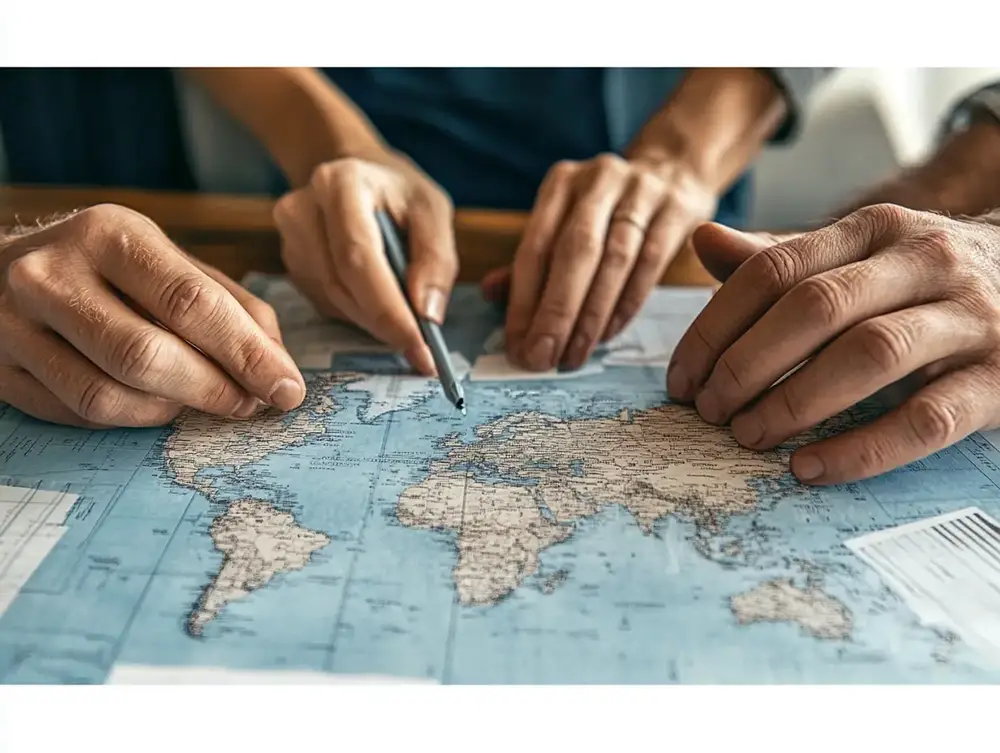
Stepping Into the Global Spotlight: Mastering the Art of Cross-Cultural Interviews
In today’s increasingly globalized world, the ability to communicate effectively across cultural lines has become paramount. This is particularly true when it comes to job interviews. With more and more companies expanding their reach to include international markets, cross-cultural interviews have become commonplace. However, these interviews can pose unique challenges that can leave even the most experienced applicants feeling unprepared.
Imagine walking into a room, confident in your qualifications and ready to impress your potential employer. You extend your hand for a firm handshake, only to be met with a surprised look—your first faux pas in a culture where such physical contact is considered inappropriate. This scenario underscores the importance of understanding and respecting cultural nuances during interviews. It’s not just about what you say—it’s also about how you say it, and how you conduct yourself.
But fear not, for this is not an impossible task. By understanding the cultural norms, communication styles, and expectations of the interviewer, you can prevent misunderstandings and leave a positive, lasting impression. This article will guide you through some key considerations and strategies for preparing for a cross-cultural interview. By the end, you’ll be ready to face any interview scenario with grace, understanding, and cultural sensitivity.
Whether you’re working for a multinational corporation, applying for a job overseas, or interviewing with a company that values diversity and global perspectives, this guide is your ticket to acing your next cross-cultural interview.
The Importance of Understanding Cultural Nuances in Interviews
In an increasingly globalized world, the workplace has evolved into a melting pot of cultures, ideas, and perspectives. As organizations expand their reach across borders, the necessity for effective cross-cultural communication has never been more crucial. This is particularly evident in interview settings, where the stakes are high, and first impressions can make or break opportunities. Understanding cultural nuances is not just an added advantage; it is essential for fostering a respectful and productive dialogue.
When preparing for interviews that involve diverse cultural backgrounds, candidates must recognize that behaviors, gestures, and even silence can carry different meanings in various cultures. For instance, while maintaining eye contact may signify confidence in Western cultures, it could be perceived as disrespectful or confrontational in some Asian cultures. Such differences underscore the need for candidates to adapt their communication styles to create a comfortable atmosphere for both themselves and their interviewers.
Moreover, cross-cultural interviews are often a two-way street. Just as candidates are evaluated on their qualifications, they are also assessed on their ability to engage with a diverse workforce. Employers are increasingly looking for individuals who can demonstrate cultural sensitivity, adaptability, and openness to learning. A candidate’s ability to navigate these complexities not only enhances their personal brand but also positions them as a valuable asset to potential employers.
Statistics reveal that organizations with diverse workforces are 35% more likely to outperform their less diverse counterparts. This data highlights the importance of cross-cultural competence in achieving business success. As companies strive to innovate and reach broader markets, they benefit from diverse perspectives that foster creativity and problem-solving. Candidates who prepare for cross-cultural interviews by understanding these dynamics are better equipped to contribute to such environments.
Additionally, preparing for interviews in a multicultural context enables candidates to build rapport with interviewers. A genuine interest in understanding cultural backgrounds can help break down barriers and create a more engaging dialogue. By asking insightful questions about the company culture or demonstrating knowledge of regional business practices, candidates can showcase their willingness to embrace diversity, ultimately enhancing their chances of success.
In summary, the importance of cultural awareness in interview settings cannot be overstated. As the job market continues to evolve, candidates who prioritize cross-cultural understanding will not only stand out but also thrive in their careers. By embracing this preparation, individuals can transform potentially daunting interviews into opportunities for meaningful connections and professional growth.
Mastering Cross-Cultural Interview Dynamics: A Step-by-Step Guide
In an increasingly globalized job market, cross-cultural interviews are becoming the norm rather than the exception. Whether you’re a hiring manager seeking diverse talent or a candidate navigating the nuances of a foreign workplace, understanding the intricacies of these interactions is essential for success. This guide will walk you through a series of actionable steps to prepare effectively for a cross-cultural interview, ensuring you can approach the situation with confidence and competence.
Step 1: Research Cultural Norms and Values
Every culture has its own set of values, traditions, and communication styles. Begin your preparation by researching the cultural norms of the individual or organization you will be interacting with. For instance, in some cultures, direct eye contact is a sign of confidence, while in others, it may be viewed as disrespectful. Understanding these nuances not only helps you communicate effectively but also demonstrates your respect for the other person’s background.
Step 2: Adapt Your Communication Style
Communication in cross-cultural contexts can vary widely. Some cultures prefer a more formal approach, while others may value a casual tone. Pay attention to the language used in the job description and company materials; it can provide clues about the company culture. If in doubt, opt for a more formal communication style to start, and then adjust based on the interviewer’s cues.
Step 3: Prepare for Different Interview Formats
Interviews can take many forms—from traditional one-on-one conversations to panel interviews or even group discussions. Be prepared for the format commonly used in the culture you are engaging with. For example, in some Asian cultures, group harmony is highly valued, and interviewers may assess how well you interact with others. Practicing common questions and responses in various formats can significantly boost your confidence.
Step 4: Be Mindful of Non-Verbal Cues
Non-verbal communication can speak volumes in cross-cultural interactions. Gestures, facial expressions, and posture can vary greatly in meaning across cultures. For instance, while a thumbs-up may signify approval in many Western cultures, it can be considered offensive in parts of the Middle East. Familiarize yourself with common non-verbal cues of the culture in question, and practice being aware of your own body language to ensure it aligns with the expectations of the interview setting.
Step 5: Develop Cultural Intelligence
Cultural intelligence (CQ) is the ability to relate to and work effectively across various cultural contexts. Enhancing your CQ can be achieved through education and experience. Engage with individuals from different backgrounds, participate in cultural events, and take courses on intercultural communication. The more you immerse yourself in diverse environments, the better equipped you will be to navigate cross-cultural interviews successfully.
Step 6: Prepare Questions that Reflect Cultural Sensitivity
Interviews are a two-way street; they are as much about you assessing the organization as they are about the organization evaluating you. Prepare thoughtful questions that show your awareness of cultural differences and your interest in how the organization embraces diversity. Questions like, “How does your team celebrate cultural differences?” can not only provide you with valuable insight but also demonstrate your commitment to a harmonious workplace.
Step 7: Practice Active Listening
Active listening is crucial in any interview, but it takes on added importance in cross-cultural settings. Listening attentively can help you pick up on subtle cues and respond more effectively. Reflect on what the interviewer says, ask follow-up questions, and paraphrase when necessary to ensure you understand their points correctly. This not only aids in comprehension but also fosters rapport and shows respect.
By following these steps, you’ll be well on your way to mastering the complexities of cross-cultural interviews. Embrace the learning process, and remember that each interaction offers an opportunity for personal and professional growth.
Unpacking Common Pitfalls in Cross-Cultural Interviews
Navigating the intricacies of cross-cultural interview settings can be both an exhilarating and daunting experience. While the prospect of engaging with diverse perspectives is enriching, it also presents unique challenges that can undermine the effectiveness of the interview process. Understanding these common pitfalls is essential for both interviewers and candidates to foster a productive dialogue.
One of the most prevalent issues is the reliance on assumptions based on cultural stereotypes. Many interviewers may unconsciously project their cultural norms onto candidates, leading to misunderstandings and misinterpretations. For example, in some cultures, direct eye contact is a sign of confidence, while in others, it might be perceived as disrespectful or aggressive. This discrepancy can create a barrier that inhibits open communication, ultimately skewing the evaluation process.
Another critical pitfall is the potential for miscommunication arising from language barriers. Even when both parties are fluent in the same language, nuances, idioms, and colloquial expressions can lead to confusion. It’s crucial for interviewers to be aware of their language choices and to remain patient and open to clarification questions. Candidates should feel empowered to express any uncertainty regarding terminology or context, ensuring that both sides are on the same page.
Additionally, cultural variations in non-verbal communication can significantly impact the interview dynamic. Gestures, facial expressions, and body language often convey messages that go beyond spoken words. For instance, a firm handshake might be welcomed in one culture but could be seen as overly aggressive in another. Being mindful of these differences can help to create a more comfortable atmosphere, allowing both parties to engage authentically.
Moreover, the concept of time can vary drastically across cultures. In some cultures, punctuality is highly valued, while in others, a more relaxed approach to time is customary. This divergence can lead to frustrations and misunderstandings if not addressed upfront. Setting clear expectations about time management, such as the structure of the interview and the importance of adhering to schedules, can help mitigate these issues.
Finally, failing to demonstrate cultural sensitivity can alienate candidates and create an environment of mistrust. It’s essential for interviewers to actively seek to understand the cultural backgrounds of candidates, fostering an inclusive atmosphere where individuals feel valued and respected. Simple gestures, such as acknowledging cultural holidays or referencing common interests, can go a long way in building rapport.
By recognizing these common pitfalls and proactively addressing them, both interviewers and candidates can create a more effective and enriching cross-cultural interview experience. This awareness not only enhances the selection process but also lays the groundwork for future collaboration in increasingly diverse workplaces.
Mastering the Art of Cross-Cultural Interviews
In an increasingly globalized world, the ability to navigate cross-cultural interview settings has become essential for both job seekers and interviewers. With diverse backgrounds, perspectives, and communication styles, these interviews present unique challenges and opportunities for connection. Understanding the nuances of cultural differences can not only enhance your interview performance but also foster mutual respect and understanding.
To prepare effectively, it’s vital to equip yourself with the right strategies that cater to the intricacies of cross-cultural interactions. Here are some expert tips to ensure you present your best self while also making a positive impression on your interviewers.
1. Research Cultural Norms
Before stepping into the interview room, take the time to research the cultural norms of the organization and the individuals you’ll be interacting with. This includes understanding communication styles (direct vs. indirect), body language, and even concepts of time and punctuality that vary across cultures. For instance, while some cultures prioritize strict adherence to time, others may have a more flexible approach. Being aware of these differences allows you to tailor your responses and behavior accordingly, demonstrating respect and adaptability.
2. Adjust Your Communication Style
Effective communication is the cornerstone of any successful interview. In cross-cultural settings, this may involve adjusting your communication style to bridge cultural gaps. For example, if you’re interviewing with someone from a culture that values indirect communication, consider framing your responses in a way that is more nuanced and less confrontational. Use open-ended questions to foster dialogue and ensure that your interview partner feels comfortable sharing their perspectives.
3. Practice Active Listening
Active listening becomes even more crucial in cross-cultural interviews, where misunderstandings can easily arise. Pay attention not just to the words being spoken, but also to non-verbal cues such as facial expressions and gestures. Acknowledge what your interviewers say by nodding or providing verbal affirmations, which can help create a rapport and make them feel valued. This practice demonstrates your commitment to understanding their viewpoints and can lead to a more productive conversation.
4. Be Open-Minded and Flexible
Cross-cultural interviews can sometimes challenge your preconceived notions and biases. Approach the interview with an open mind and be willing to adapt to unexpected situations. If an interview question catches you off guard or if the atmosphere feels different than what you anticipated, remain composed and respond with grace. Flexibility in your approach will not only showcase your adaptability but also signal to your interviewers that you are culturally aware and sensitive.
5. Showcase Your Cultural Competence
During the interview, don’t hesitate to draw upon your experiences with diverse cultures. This could include travel, previous work experiences, or even language skills. Sharing personal anecdotes related to cultural interactions can help create a connection with your interviewers and highlight your cultural competence. Such examples demonstrate your ability to thrive in diverse environments, which is increasingly valued by employers in today’s global job market.
6. Prepare Thoughtful Questions
Asking insightful questions at the end of the interview is crucial, especially in cross-cultural settings. Prepare questions that reflect your understanding of the company’s cultural dynamics and policies regarding diversity and inclusion. This shows that you are not only interested in the position but also in the organization’s culture and values. Thoughtful questions can spark meaningful discussions and leave a lasting impression on your interviewers.
By implementing these expert tips, you can enhance your preparedness for cross-cultural interviews and approach them with confidence. Understanding and navigating cultural differences will set you apart in a competitive job market, ensuring that you make a positive impact on your prospective employers.
Unlocking Opportunities Through Cultural Intelligence
In today’s interconnected world, the ability to navigate cross-cultural interview settings is not just an advantage; it is essential for success. As businesses expand globally, they seek talent that can thrive in diverse environments and embrace different perspectives. This means that candidates must be prepared to engage with interviewers from various cultural backgrounds, each bringing their unique values, communication styles, and expectations to the table.
Understanding the nuances of cultural intelligence can be the key differentiator that sets candidates apart in competitive job markets. When you approach a cross-cultural interview with an open mind and a willingness to learn, you open doors to opportunities that may have previously seemed out of reach. Employers value candidates who demonstrate flexibility and an ability to adapt, as these traits are indicative of a future employee’s potential to contribute positively to team dynamics and workplace culture.
Moreover, embracing cultural differences can enhance your communication skills. By actively listening and engaging with interviewers from various backgrounds, you develop a deeper understanding of diverse viewpoints. This not only allows you to respond more effectively but also fosters a sense of connection that can leave a lasting impression. Being able to articulate your thoughts while respecting cultural differences will showcase your interpersonal skills and emotional intelligence—qualities that are highly sought after in any organization.
Statistically, organizations that prioritize diversity and inclusion are more innovative and better at problem-solving. A report from McKinsey & Company found that companies in the top quartile for gender diversity on executive teams are 21% more likely to experience above-average profitability. This underscores the importance of cross-cultural competency not only for personal success but also for contributing to the broader success of the organization.
Furthermore, the ability to successfully navigate cross-cultural interviews can lead to a broader professional network. Each interaction with diverse interviewers can serve as an opportunity to forge connections that may lead to mentorship, collaboration, or even future job offers. Cultivating relationships based on mutual respect and understanding can enhance your career trajectory and provide support as you navigate your professional journey.
In sum, investing time in preparing for cross-cultural interview settings can yield significant benefits. From improved communication skills to enhanced cultural awareness and broader professional networks, the advantages are manifold. As you hone your abilities to engage with various cultures, you’ll not only position yourself as a desirable candidate but also as a future leader in an increasingly globalized workforce.
Common Inquiries About Cross-Cultural Interview Preparation
Cross-cultural interviews can be both exciting and daunting. As the world becomes increasingly interconnected, understanding how to navigate these diverse settings is essential. Here are some frequently asked questions that can help you prepare effectively.
1. What should I research before a cross-cultural interview?
Before your interview, it’s crucial to familiarize yourself with the cultural norms and values of the interviewer’s background. Research the company’s mission, values, and cultural diversity initiatives. Additionally, understanding different communication styles, body language, and etiquette prevalent in the interviewer’s culture can provide you with a significant advantage.
2. How can I demonstrate cultural sensitivity?
Demonstrating cultural sensitivity involves showing respect and understanding towards the interviewer’s background. You can do this by actively listening, being open-minded, and avoiding stereotypes. It’s also helpful to acknowledge and appreciate cultural differences throughout the conversation, which can foster a more comfortable and engaging atmosphere.
3. What are some common mistakes to avoid during cross-cultural interviews?
Avoid making assumptions about the interviewer’s background based on their appearance or name. Additionally, steer clear of using idioms or colloquialisms that may not translate well across cultures. Overly aggressive body language or failing to adapt to the interviewer’s communication style can also create misunderstandings or discomfort.
4. How can I effectively communicate in a cross-cultural setting?
Effective communication in a cross-cultural setting involves being clear and concise with your language. Avoid jargon and speak at a moderate pace to ensure comprehension. If there’s a language barrier, don’t hesitate to ask for clarification or repeat information as needed. Non-verbal cues are equally important; ensure your body language is open and inviting.
5. What role does emotional intelligence play in cross-cultural interviews?
Emotional intelligence is vital in cross-cultural interviews as it allows you to navigate complex social situations with empathy and understanding. Being aware of your emotions and those of the interviewer can help you respond appropriately to cultural cues and enhance your overall interaction. Cultivating emotional intelligence can lead to a more successful and harmonious interview experience.
6. Should I adapt my personal style for a cross-cultural interview?
While it’s important to be authentic, adapting your personal style to align with the cultural context of the interview can be beneficial. This may involve modifying your dress code, adjusting your communication style, or being mindful of cultural practices and rituals. Striking a balance between being yourself and respecting the interviewer’s culture can make a positive impression.
7. How can I follow up after a cross-cultural interview?
Following up after a cross-cultural interview is essential to reinforce your interest and professionalism. Craft a thoughtful thank-you email that acknowledges the cultural aspects of your conversation. Mention specific points discussed during the interview and express your appreciation for the opportunity while being mindful of any cultural nuances in communication style.
8. Are there any resources to help me prepare for cross-cultural interviews?
Yes! Numerous resources are available to help you prepare for cross-cultural interviews. Books on cultural intelligence, online courses, and workshops focused on intercultural communication can be invaluable. Additionally, platforms like LinkedIn offer articles and forums where you can engage with professionals who have experience in cross-cultural settings.
Embracing Diversity: The Key to Success in Interviews
In today’s globalized world, the ability to navigate cross-cultural interview settings is more critical than ever. As organizations strive for diversity and inclusion, job candidates are increasingly finding themselves in interviews that transcend geographical boundaries. Preparing for these unique encounters not only enhances your chances of landing the job but also enriches your personal and professional growth.
Understanding cultural nuances is essential. Different cultures have varying approaches to communication, body language, and even the concept of time. For instance, while some cultures value directness and brevity, others may prioritize relationship-building and subtlety. This divergence can lead to misunderstandings if candidates are not aware of these differences. Therefore, an in-depth exploration of the cultural contexts of both the interviewer and the candidate can significantly bridge gaps and foster mutual respect.
Moreover, the way questions are posed and answered can differ drastically across cultures. For example, in some regions, it is common to provide extensive background information before addressing the question directly, while in others, succinctness is appreciated. Preparing for these variations can empower candidates to respond more effectively and confidently, showcasing their adaptability and awareness.
Additionally, embracing cultural diversity means being open to learning and adapting. This openness can manifest in several ways: from researching the company’s cultural background to practicing specific interview techniques that resonate with the interviewer’s customs. Candidates can also consider engaging with professionals from different cultural backgrounds through networking platforms or informational interviews, gaining insights and advice that can prove invaluable in the interview process.
Furthermore, it’s essential to approach cross-cultural interviews with a mindset of curiosity rather than anxiety. This perspective shift can transform potential stressors into opportunities for meaningful dialogue. When candidates engage with an open heart and mind, they not only create a positive impression but also pave the way for authentic connections that transcend the traditional interview dynamic.
In conclusion, thriving in cross-cultural interview settings requires a multifaceted approach that includes research, adaptability, and a genuine interest in learning from others. By equipping yourself with the tools and knowledge to navigate these diverse landscapes, you not only enhance your employability but also contribute to a richer, more inclusive workplace. As you embark on this journey, remember that each interview is not just a test of skills but an opportunity to celebrate the beautiful tapestry of human experience.