Have you ever found yourself in a room, heart pounding, palms sweating, and thoughts racing as you sit across from a potential employer? Interview anxiety can be a crippling hurdle for many job-seekers. But it doesn’t have to be. In the realm of personal development and mental health, one tool stands out as particularly effective in combatting the stress and anxiety associated with job interviews: mindfulness.
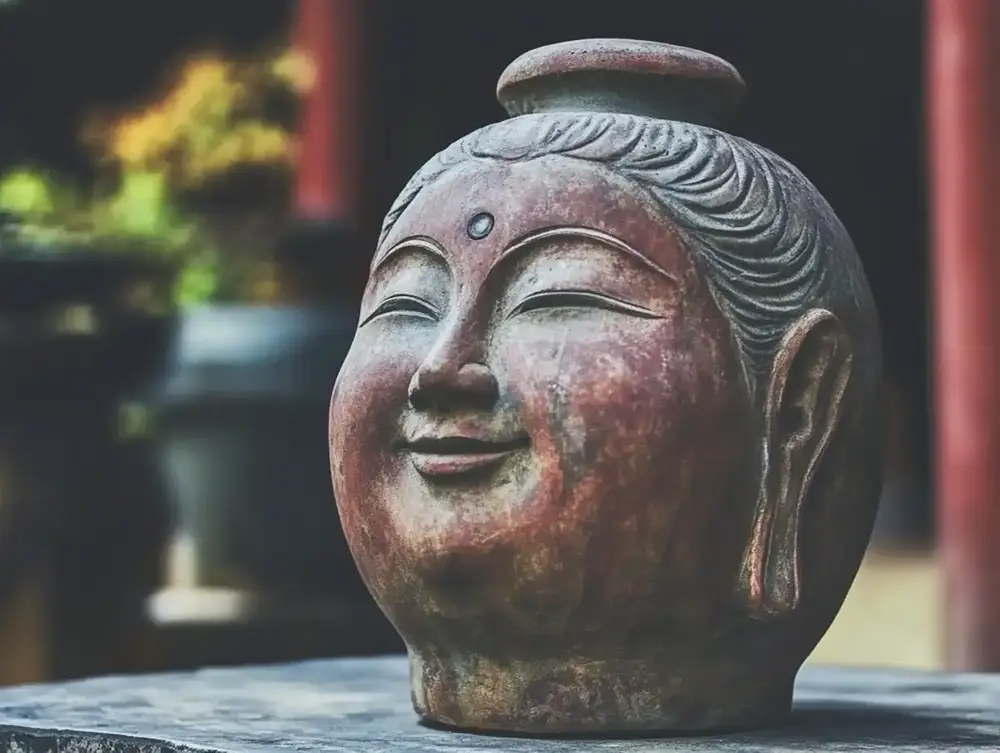
Mindfulness, a form of meditation originally rooted in Buddhism, has become a popular technique in Western psychology for managing stress, anxiety, and other mental health issues. It involves paying attention to our thoughts and feelings without judging them—without believing, for instance, that there’s a “right” or “wrong” way to think or feel in a given moment.
Why mindfulness for interview stress? Well, mindfulness can help you stay focused on the present moment during an interview, rather than getting caught up in worrying about the future or dwelling on past mistakes. It can enable you to respond to interview questions with clarity and confidence, rather than reacting out of fear or anxiety.
So, are you ready to conquer interview stress and anxiety with the power of mindfulness? In this article, we’ll explore a variety of mindfulness practices that you can start using today to prepare for your next big interview. We’ll discuss practical techniques, provide actionable tips, and share valuable insights from experts in the field. By the end, you’ll have a toolkit of mindfulness strategies to help you shine in any interview situation.
Understanding the Importance of Mental Clarity in High-Pressure Situations
In a world where competition is fierce and job opportunities are precious, the interview process can often feel like a daunting mountain to climb. The pressure to perform well can lead to anxiety, self-doubt, and a whirlwind of negative thoughts that can cloud your judgment and hinder your ability to articulate your skills effectively. This is where mindfulness practices come into play, offering a powerful antidote to the stress and pressure that often accompanies job interviews.
Mindfulness, at its core, is the practice of being fully present in the moment, aware of your thoughts and feelings without judgment. It’s a technique that has gained traction in recent years, transcending its roots in Eastern philosophy to become a staple in modern psychology and personal development. By incorporating mindfulness into your preparation and approach to interviews, you can cultivate a sense of calm, clarity, and confidence, allowing your true potential to shine through.
The significance of managing stress cannot be overstated; studies have shown that high levels of anxiety can adversely affect cognitive functions, such as memory and decision-making. According to research published in the Journal of Experimental Psychology, individuals who practice mindfulness exhibit improved focus and reduced levels of stress, leading to better performance in high-pressure situations. This shows that the ability to remain grounded can be the difference between a successful interview and a missed opportunity.
Moreover, the benefits of mindfulness extend beyond just the interview itself. Practicing mindfulness can enhance your overall emotional intelligence, equipping you with tools to navigate not only job interviews but also various challenges in your career and personal life. When you learn to manage your stress effectively, you foster resilience, adaptability, and a positive mindset—qualities that are highly sought after by employers.
Incorporating mindfulness into your routine doesn’t require hours of dedicated practice; even a few minutes each day can yield significant results. Simple techniques such as deep breathing, visualization, and meditation can help center your thoughts, reduce anxiety, and prepare you for the challenges ahead. As you learn to focus on the present moment, you’ll find that your ability to communicate your qualifications and experiences becomes clearer and more impactful.
Ultimately, embracing mindfulness is not just about alleviating stress; it’s about empowering yourself to present the best version of you during the interview process. With the right mindset and strategies, you can transform anxiety into a powerful tool for success, ensuring that you walk into your next interview with confidence and composure.
Embrace Calm: A Step-by-Step Guide to Mindfulness Practices
In today’s fast-paced world, the pressure of interviews can feel overwhelming. Whether you’re a seasoned professional or a fresh graduate, the anticipation of facing potential employers often leads to anxiety. However, integrating mindfulness practices into your preparation can significantly alleviate stress, helping you to present your best self. This guide will walk you through a series of practical, step-by-step mindfulness techniques designed to calm your nerves and enhance your focus as you approach your interview.
Step 1: Create a Mindful Environment
Before diving into your interview preparation, set the scene by creating a calming environment. Choose a quiet space free from distractions. Dim the lights or open a window for fresh air. Perhaps light a scented candle or use an essential oil diffuser to create a soothing aroma. The goal is to establish a peaceful atmosphere that allows you to concentrate and connect with your thoughts.
Step 2: Practice Deep Breathing
One of the simplest yet most effective mindfulness techniques is deep breathing. Start by sitting comfortably in your chosen space. Close your eyes and take a deep breath in through your nose, allowing your abdomen to expand. Hold for a moment, and then exhale slowly through your mouth. Repeat this process for five to ten minutes. As you breathe, focus your attention on the sensation of the air entering and leaving your body. This exercise not only calms your mind but also helps to reduce physical tension.
Step 3: Visualization Techniques
Visualization can be a powerful tool in managing interview stress. Once you’ve settled into your mindful environment, take a moment to visualize yourself in the interview setting. Imagine yourself walking confidently into the room, greeting the interviewer with a friendly smile, and answering questions with clarity and poise. Picture the atmosphere being positive and encouraging. Engaging in this exercise can help you develop a sense of familiarity and control over the experience, ultimately boosting your confidence.
Step 4: Grounding Exercises
Grounding techniques are essential for bringing your attention back to the present moment. A popular method is the 5-4-3-2-1 technique. Start by identifying five things you can see around you. Next, notice four things you can physically feel, such as the chair beneath you or the fabric of your clothing. Then, listen for three sounds, perhaps the distant hum of traffic or birds chirping outside. After that, identify two scents, whether it’s the smell of fresh coffee or a hint of lavender. Finally, focus on one thing you can taste, like a sip of water or the lingering flavor of your last meal. This practice helps to anchor you in the moment and reduce anxiety.
Step 5: Mindful Affirmations
Affirmations are powerful statements that can reshape your mindset. After completing your grounding exercises, create a list of positive affirmations related to your interview. Phrases like “I am prepared,” “I am capable,” and “I will succeed” can reinforce your self-belief. Repeat these affirmations aloud or write them down in a journal. The repetition of these positive phrases can help dispel negative thoughts and replace them with a more empowering narrative.
Step 6: Reflect and Journal
After practicing these mindfulness techniques, take a few moments to reflect on your feelings. Journaling can be an excellent way to process your thoughts and emotions. Write about your expectations for the interview, any fears or worries you might have, and your aspirations for the future. This exercise not only helps in organizing your thoughts but also serves as a therapeutic outlet for any residual stress.
By incorporating these mindfulness practices into your pre-interview routine, you can cultivate a sense of calm and readiness that will empower you to tackle your interview with confidence and clarity.
Identifying Common Pitfalls in Interview Preparation
When preparing for interviews, many candidates unknowingly fall into certain traps that can amplify their stress levels. These pitfalls can make even the most qualified individuals feel overwhelmed and anxious on the big day. Understanding these common mistakes is crucial for fostering a more mindful approach to the interview process.
One of the most frequent issues is the tendency to focus excessively on the potential negative outcomes of the interview. Instead of concentrating on their qualifications and the value they bring to the company, candidates often fixate on fears, such as not being able to answer a question correctly or making a poor impression. This negative thought pattern can lead to a vicious cycle of anxiety, making relaxation and clarity of thought nearly impossible.
Another common pitfall is the lack of preparation that borders on procrastination. Many candidates underestimate the importance of thorough research about the company and the role they are applying for. This not only affects their confidence but also leads to a lack of genuine engagement during the interview. When candidates are unprepared, they may struggle to articulate how their skills align with the company’s needs, further increasing their stress levels.
Over-rehearsing is another mistake that can hinder natural conversation flow. While practicing answers to common interview questions is beneficial, going overboard can lead to sounding robotic or insincere. Candidates might become so focused on delivering a perfectly rehearsed script that they miss opportunities to connect authentically with the interviewer. This disconnect can heighten anxiety, as the interviewee may feel they are not being true to themselves.
Additionally, neglecting self-care in the days leading up to the interview can exacerbate feelings of stress. Candidates often prioritize preparation over their physical and mental well-being, resulting in fatigue, poor nutrition, and lack of sleep. This neglect can impair cognitive function, making it even more challenging to think clearly during the interview and respond effectively to questions.
Moreover, a common misstep is the failure to practice mindfulness techniques prior to the interview. Many individuals overlook the power of grounding exercises, deep breathing, and visualization to calm their nerves and center their minds. By dismissing these practices, candidates miss out on valuable tools that can transform their mindset and enhance their overall performance.
Lastly, comparing oneself to others can be detrimental to confidence levels. In the age of social media, it’s all too easy to see peers celebrating their successes, which can lead to feelings of inadequacy. Candidates may feel that they don’t measure up, further feeding their interview anxiety. Recognizing that everyone has their unique journey is essential in redirecting focus back to one’s personal strengths and qualifications.
By acknowledging and addressing these common pitfalls, candidates can take proactive steps towards reducing interview stress. Cultivating a mindful approach to preparation not only helps to mitigate anxiety but also fosters a sense of empowerment that can make a significant difference in their interview performance.
Mastering Your Mind: Tips for Mindfulness Before Interviews
Preparing for an interview can feel like standing on a tightrope—one wrong move, and your balance is thrown off. The anxiety that builds in the days leading up to the big day can cloud your mind, making it difficult to focus on your skills and qualifications. However, incorporating mindfulness practices into your pre-interview routine can help you regain that balance and approach your interview with clarity and confidence.
1. Breathing Exercises: One of the simplest yet most effective mindfulness techniques is conscious breathing. Set aside a few minutes each day leading up to your interview to practice deep breathing. Find a quiet space, sit comfortably, and inhale slowly through your nose, allowing your abdomen to expand. Hold your breath for a count of four, then exhale gently through your mouth. Repeat this process for five to ten cycles. This practice not only calms your nerves but also helps center your thoughts, enabling you to articulate your strengths clearly during the interview.
2. Visualization Techniques: Visualization is a powerful tool used by athletes and performers alike, and it can be just as effective in the context of interviews. Spend a few minutes each day visualizing yourself walking into the interview room with confidence. Imagine greeting the interviewer with a firm handshake, sitting down, and answering questions with poise. Picture the interview going smoothly and ending with a positive outcome. This mental rehearsal can significantly boost your self-assurance and reduce anxiety on the actual day.
3. Mindful Movement: Physical activity is a fantastic way to release pent-up tension and stress. Consider incorporating mindful movement practices, such as yoga or tai chi, into your daily routine. These activities encourage you to focus on your body and breath, promoting relaxation and mental clarity. Even a simple walk in nature can serve as a grounding exercise, allowing you to connect with your surroundings and clear your mind before the interview.
4. Journaling Your Thoughts: Writing down your thoughts and feelings can be incredibly therapeutic. Take a few minutes each day to journal about your interview preparations, your fears, and your aspirations. This practice helps you process your emotions and offers a tangible way to confront any negative thoughts. Moreover, reflecting on your achievements and strengths in writing can bolster your confidence, reminding you of what you bring to the table.
5. Embrace the Present Moment: Often, we allow our minds to wander to the “what-ifs” of the future, which only increases stress levels. Practicing mindfulness means bringing your focus back to the present. Engage in activities that anchor you in the moment, such as savoring a cup of tea or practicing gratitude by listing things you’re thankful for. By fostering awareness of the here and now, you can alleviate feelings of apprehension and cultivate a more positive mindset.
Integrating these mindfulness practices into your pre-interview routine can transform your experience, allowing you to approach interviews with a calm and centered mindset. As you continue to hone these techniques, you may find that you not only reduce stress but also enhance your overall well-being, making you a more resilient candidate in any job search.
Unlocking Your Potential: The Path from Calm to Confidence
In today’s fast-paced job market, the pressure to excel during interviews can feel overwhelming. Many candidates find themselves grappling with anxiety, second-guessing their qualifications, or struggling to articulate their thoughts clearly. However, integrating mindfulness practices into your pre-interview routine can transform this anxiety into a powerful tool for success. By fostering a state of calm and focus, mindfulness not only enhances your mental clarity but also improves your performance during high-stakes situations.
Mindfulness, the practice of being present and fully engaged in the moment, offers a multitude of benefits that extend far beyond mere stress reduction. Research has shown that individuals who practice mindfulness regularly exhibit greater emotional intelligence, improved cognitive flexibility, and heightened self-awareness. These qualities are particularly advantageous during interviews, where the ability to read the room and respond thoughtfully to questions can set a candidate apart from the competition.
When you incorporate mindfulness techniques such as deep breathing, visualization, and grounding exercises, you create a mental environment conducive to success. For instance, deep breathing helps regulate your body’s stress response, providing a sense of calm that allows for clearer thinking. Visualization techniques, on the other hand, enable you to mentally rehearse your performance, reinforcing a positive outcome and boosting your confidence. Grounding exercises can further enhance your focus by reconnecting you with the present moment, alleviating worries about past experiences or future uncertainties.
Furthermore, the benefits of mindfulness extend beyond the interview itself. Regular practice cultivates resilience, enabling you to handle rejection and setbacks more gracefully. This resilience translates into a more positive attitude, making you a more attractive candidate in the eyes of potential employers. When you approach interviews with a calm demeanor and a confident mindset, you not only improve your chances of success but also leave a lasting impression on interviewers.
Ultimately, the integration of mindfulness practices into your interview preparation can lead to a transformative shift in your approach. By prioritizing mental well-being and harnessing the power of presence, you position yourself to not only succeed but to thrive in the competitive landscape of job interviews. The journey toward interview success begins with a single mindful moment, and each practice you adopt builds a foundation for lasting confidence and achievement.
Answers to Your Most Pressing Questions About Interview Stress Management
Preparing for an interview can be a nerve-wracking experience, and many people have questions about how to manage that stress effectively. Here, we address some of the most frequently asked questions regarding mindfulness practices and their role in reducing interview anxiety.
1. What is mindfulness, and how can it help with interview stress?
Mindfulness is the practice of being present in the moment and fully engaging with your thoughts, feelings, and surroundings without judgment. Incorporating mindfulness techniques can help you remain calm and focused during an interview, enabling you to articulate your thoughts more clearly and confidently.
2. Can mindfulness techniques be practiced in the days leading up to the interview?
Absolutely! Practicing mindfulness in the days leading up to your interview can significantly reduce anxiety. Techniques such as deep breathing, meditation, or even mindful walking can help center your thoughts and prepare you mentally for the big day.
3. Are there specific mindfulness exercises I can do before my interview?
Yes, several effective mindfulness exercises can help ease pre-interview jitters. One popular method is the “5-4-3-2-1” grounding technique, where you identify five things you can see, four things you can touch, three things you can hear, two things you can smell, and one thing you can taste. This exercise brings you back to the present moment and can reduce feelings of overwhelm.
4. How long should I practice mindfulness each day to see results?
Even a few minutes of daily mindfulness practice can yield significant benefits. Start with just 5-10 minutes each day and gradually increase the duration as you become more comfortable with the techniques. Consistency is key to reaping the long-term benefits of mindfulness.
5. What if I find it difficult to focus during mindfulness exercises?
It’s common to experience distractions or a wandering mind when starting mindfulness practices. Instead of getting frustrated, gently redirect your focus back to your breath or the task at hand. Over time, you will improve your ability to concentrate and quiet your mind.
6. How can I incorporate mindfulness into my interview preparation?
Mindfulness can be seamlessly integrated into your interview preparation by practicing visualization. Picture yourself in the interview room, responding confidently to questions, and engaging positively with the interviewer. This mental rehearsal can help calm nerves and enhance your performance.
7. Should I inform my interviewer that I practice mindfulness?
While it’s not necessary to disclose your mindfulness practices during the interview, doing so may demonstrate your commitment to personal growth and stress management. If the conversation flows naturally in that direction, it could serve as a great talking point that highlights your proactive approach to challenges.
8. Are there any resources or tools to help me learn mindfulness?
Yes, there are various resources available, including apps like Headspace and Calm, which offer guided meditations and mindfulness exercises. Additionally, numerous online courses and books are dedicated to teaching mindfulness techniques that can be particularly beneficial for managing stress during high-pressure situations like interviews.
9. Can practicing mindfulness help in other areas of my life beyond interviews?
Definitely! The benefits of mindfulness extend far beyond interview scenarios. Regular practice can improve your overall mental health, enhance your concentration, promote emotional regulation, and even foster better relationships by increasing your empathy and understanding of others.
10. What should I do if mindfulness doesn’t seem to work for me?
If you find that mindfulness practices aren’t helping as much as you hoped, it might be worth exploring other stress management techniques. Activities like physical exercise, journaling, or even seeking guidance from a mental health professional can provide additional support in managing interview-related stress.
Embracing Calm: The Power of Mindfulness in Overcoming Interview Anxiety
In today’s fast-paced job market, the pressure to perform well in interviews can be overwhelming. The stakes are high, and it’s easy to succumb to feelings of anxiety and self-doubt. However, integrating mindfulness practices into your preparation can transform your approach, fostering a sense of calm and clarity. By focusing on the present moment and cultivating a non-judgmental awareness of your thoughts and feelings, you can significantly reduce stress and improve your performance.
Mindfulness is not just a buzzword; it is a proven technique that can help individuals navigate high-pressure situations with ease. Techniques such as meditation, deep breathing exercises, and visualization can help ground you, allowing you to face interviews with confidence. For instance, starting your day with a few minutes of meditation can set a positive tone, helping you to acknowledge any nerves without letting them overpower your thoughts. This practice not only enhances your emotional resilience but also sharpens your focus, enabling you to articulate your skills and experiences more effectively.
Moreover, incorporating mindfulness into your interview preparation can lead to better decision-making. When you train your mind to stay present, you are less likely to dwell on past mistakes or future uncertainties. Instead, you can engage fully with your interviewer, demonstrating genuine interest and enthusiasm. This connection can set you apart from other candidates, showcasing not only your qualifications but also your ability to remain composed under pressure.
As you explore various mindfulness strategies, remember that consistency is key. Establishing a routine that includes regular mindfulness practices will yield the best results. Whether it’s dedicating time daily to yoga, practicing mindful walking, or simply taking a few moments to breathe deeply before the interview, these small yet impactful actions can lead to substantial improvements in your mental state.
Ultimately, the journey to interview success is not solely about preparing answers but also about cultivating a mindset that embraces calm and confidence. By harnessing the power of mindfulness, you can turn what may seem like a daunting experience into an opportunity for growth and self-discovery. As you step into the interview room, remember that you have the tools to manage your anxiety and shine as the best version of yourself.