Skip to interview
RockStarCV.com
Toggle Navigation

User Experience Designer Mock Interview: The Developing Candidate

Watch a credible User Experience Designer candidate whose answers need clearer decisions, ownership, and verification.

Developing candidate pathInteractive simulation16 chapters
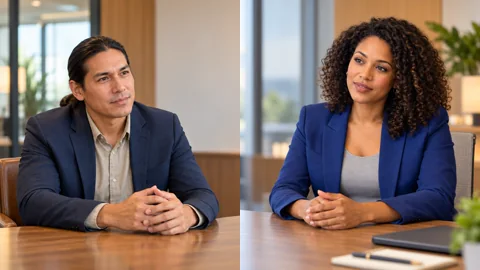
Aisha Rahman, fictional User Experience Designer candidate, seated on the left and facing toward the article center
Aisha RahmanUser Experience Designer candidate

Watch and practise

Run the complete interview

Complete transcript

RockStarCV NarratorIntroduction

What does a User Experience Designer interview sound like? Let us step inside the conversation and listen for the decisions that make each answer credible.

RockStarCV NarratorMeet Maya Collins and Aisha Rahman

Your interviewer is Maya Collins, Head of Product Design. Your candidate is Aisha Rahman, presenting the developing-candidate path. After the conversation, we will turn the evidence into a practical preparation framework.

Maya CollinsWelcome

Hi, Aisha. Thank you for making the time. How is your day going?

Aisha RahmanWelcome

It is going well, thank you. I appreciate the chance to speak with you.

Maya CollinsWelcome

We will spend about half an hour on your background and several user experience designer scenarios, then leave time for your questions. Does that work for you?

Aisha RahmanWelcome

Yes, that sounds good.

Maya CollinsCareer story

Walk me through your experience as a User Experience Designer.

Aisha RahmanCareer story

I have several years of related experience and have handled discovery, interaction design, prototyping, research, accessibility, content, and design-system collaboration. I am comfortable with the normal daily responsibilities.

Maya CollinsCareer story

What scope did you personally own?

Aisha RahmanCareer story

I usually work with the team, follow the established process, and keep my manager informed when something changes.

Maya CollinsCareer story

Which result best represents your approach?

Aisha RahmanCareer story

My work has generally gone well. I would need to review the records to give a specific result and denominator.

Maya CollinsMotivation

Why are you interested in this User Experience Designer role?

Aisha RahmanMotivation

I enjoy this type of work and your organization appears to offer a good next step. I am looking for growth and a new challenge.

Maya CollinsMotivation

What about this operating environment matters to you?

Aisha RahmanMotivation

The responsibilities are familiar to me, and I think I could learn the differences quickly.

Maya CollinsMotivation

What would you learn first?

Aisha RahmanMotivation

I would learn the tools, meet the team, and start with the assigned work.

Maya CollinsDiscovery

Tell me about a time you had to challenge a requested feature.

Aisha RahmanDiscovery

I have handled situations where I needed to challenge a requested feature. I stayed organized, communicated with the team, and tried to keep the work moving.

Maya CollinsDiscovery

What decision did you personally make, and what evidence did you use?

Aisha RahmanDiscovery

I normally use interview guides and ask someone for help when the issue becomes complicated. The team usually works together and we find a solution.

Maya CollinsDiscovery

How did you respect your authority boundary and verify the outcome?

Aisha RahmanDiscovery

The situation was resolved. I would need to check the record for the exact result, and I could make my own decision and the authority boundary clearer.

Maya CollinsInteraction

Tell me about a time you had to design a complex multi-step task.

Aisha RahmanInteraction

I have handled situations where I needed to design a complex multi-step task. I stayed organized, communicated with the team, and tried to keep the work moving.

Maya CollinsInteraction

What decision did you personally make, and what evidence did you use?

Aisha RahmanInteraction

I normally use journey maps and ask someone for help when the issue becomes complicated. The team usually works together and we find a solution.

Maya CollinsInteraction

How did you respect your authority boundary and verify the outcome?

Aisha RahmanInteraction

The situation was resolved. I would need to check the record for the exact result, and I could make my own decision and the authority boundary clearer.

Maya CollinsResearch

Tell me about a time you had to interpret a small usability study.

Aisha RahmanResearch

I have handled situations where I needed to interpret a small usability study. I stayed organized, communicated with the team, and tried to keep the work moving.

Maya CollinsResearch

What decision did you personally make, and what evidence did you use?

Aisha RahmanResearch

I normally use prototypes and ask someone for help when the issue becomes complicated. The team usually works together and we find a solution.

Maya CollinsResearch

How did you respect your authority boundary and verify the outcome?

Aisha RahmanResearch

The situation was resolved. I would need to check the record for the exact result, and I could make my own decision and the authority boundary clearer.

Maya CollinsAccessibility

Tell me about a time you had to address a design that excluded keyboard users.

Aisha RahmanAccessibility

I have handled situations where I needed to address a design that excluded keyboard users. I stayed organized, communicated with the team, and tried to keep the work moving.

Maya CollinsAccessibility

What decision did you personally make, and what evidence did you use?

Aisha RahmanAccessibility

I normally use usability tests and ask someone for help when the issue becomes complicated. The team usually works together and we find a solution.

Maya CollinsAccessibility

How did you respect your authority boundary and verify the outcome?

Aisha RahmanAccessibility

The situation was resolved. I would need to check the record for the exact result, and I could make my own decision and the authority boundary clearer.

Maya CollinsDesign system

Tell me about a time you had to resolve a product exception to a shared component.

Aisha RahmanDesign system

I have handled situations where I needed to resolve a product exception to a shared component. I stayed organized, communicated with the team, and tried to keep the work moving.

Maya CollinsDesign system

What decision did you personally make, and what evidence did you use?

Aisha RahmanDesign system

I normally use accessibility evaluation and ask someone for help when the issue becomes complicated. The team usually works together and we find a solution.

Maya CollinsDesign system

How did you respect your authority boundary and verify the outcome?

Aisha RahmanDesign system

The situation was resolved. I would need to check the record for the exact result, and I could make my own decision and the authority boundary clearer.

Maya CollinsCandidate questions

What questions would you like to ask us?

Aisha RahmanCandidate questions

How would you describe the team culture?

Maya CollinsCandidate questions

The team is collaborative and direct. People are expected to ask for help early and follow through on commitments.

Aisha RahmanCandidate questions

What is the usual path for growth from this role?

Maya CollinsCandidate questions

Growth depends on consistent performance, broader judgment, and the needs of the organization. We discuss development during regular reviews.

Aisha RahmanCandidate questions

Thank you. That is helpful.

Maya CollinsClose

Those are all my questions. Thank you, Aisha. We will follow up after the remaining interviews.

Aisha RahmanClose

Thank you for the conversation. I appreciate your time.

RockStarCV NarratorOutro 1 · Verdict

Aisha Rahman remained credible and employable, but several answers stopped at activity. The missing layer was the decision rule, personal ownership, and verified outcome.

RockStarCV NarratorOutro 2 · Evidence

These are coachable gaps. A more specific example and one honest boundary would strengthen the same experience.

RockStarCV NarratorOutro 2 · Evidence

The recurring evidence was challenge a requested feature, design a complex multi-step task, state sample limits and recurring evidence, and keyboard and assistive-technology checks passed.

RockStarCV NarratorOutro 2 · Evidence

Notice that the examples are fictional composites. The teaching principles come from the cited occupation and practice sources, not from invented outcomes.

RockStarCV NarratorOutro 3 · Framework

Prepare your own answer with five lines: context, evidence, decision, boundary, verification.

RockStarCV NarratorOutro 3 · Framework

Keep each line short enough to say naturally, then let the interviewer decide where to probe.

RockStarCV NarratorOutro 4 · Practice

Pause here and rehearse one real user experience designer example. Replace team language with the decision you personally owned, and do not claim an outcome you cannot verify.

RockStarCV NarratorOutro 4 · Practice

Prepare with evidence. Interview with confidence.

Use Play to hear the conversation, move one slide at a time, or jump directly to a chapter. Captions follow the active speaker.

What to expect

How the interview is likely to unfold

A senior user experience designer interview usually moves from your career story into evidence of judgment, then closes with your questions.

  1. Career story

    Walk me through your experience as a User Experience Designer.

  2. Motivation

    Why are you interested in this User Experience Designer role?

  3. Discovery

    Tell me about a time you had to challenge a requested feature.

  4. Interaction

    Tell me about a time you had to design a complex multi-step task.

  5. Research

    Tell me about a time you had to interpret a small usability study.

  6. Accessibility

    Tell me about a time you had to address a design that excluded keyboard users.

  7. Design system

    Tell me about a time you had to resolve a product exception to a shared component.

Who might interview you

Different people are testing different things

Listen to the role behind the question. The same example may need a different emphasis for each interviewer.

Head of Product Design

Their purpose
Evaluate role judgment, ownership, boundaries, and evidence.
They look for
challenge a requested feature, design a complex multi-step task, state sample limits and recurring evidence

Cross-functional partner

Their purpose
Understand collaboration and escalation.
They look for
A clear decision path and honest operating boundary.

Senior peer

Their purpose
Test realistic execution detail.
They look for
Specific examples and verification.

What they are assessing

Make your judgment easy to see

What interviewers need to learn

  • Do you make challenge a requested feature visible?
  • Do you make design a complex multi-step task visible?
  • Do you make state sample limits and recurring evidence visible?
  • Do you make keyboard and assistive-technology checks passed visible?
  • Do you make resolve a product exception to a shared component visible?

Accentuate

  • Context: Define the affected people, system, and consequence in User Experience Designer work.
  • Evidence: Use interview guides, journey maps, prototypes, usability tests, and accessibility evaluation to verify the condition before acting.
  • Decision: Name the decision you personally owned and the trade-off you accepted.
  • Boundary: State what required approval, licensed judgment, or accountable escalation.
  • Verification: Close with the reviewed result, denominator, or completed handoff.

Leave out

  • Unbounded team language with no personal decision.
  • Activity presented as an outcome.
  • A promise outside your authority.
  • A number you cannot verify.

Difficult questions

Prepare the evidence, not a script

Use these prompts to choose a truthful example and reconstruct the decision. Your delivery should still sound like you.

Tell me about a time you had to challenge a requested feature.

Why they ask: They are testing discovery judgment.

Prepare: I used interview guides to verify the condition, documented the trade-off, and made the next owner explicit. I also separate the proposed solution from the user need, so the work moved without creating a promise or decision outside my authority.

Tell me about a time you had to design a complex multi-step task.

Why they ask: They are testing interaction judgment.

Prepare: I used journey maps to verify the condition, documented the trade-off, and made the next owner explicit. I also reduce cognitive load without hiding consequences, so the work moved without creating a promise or decision outside my authority.

Tell me about a time you had to interpret a small usability study.

Why they ask: They are testing research judgment.

Prepare: I used prototypes to verify the condition, documented the trade-off, and made the next owner explicit. I also state sample limits and recurring evidence, so the work moved without creating a promise or decision outside my authority.

Tell me about a time you had to address a design that excluded keyboard users.

Why they ask: They are testing accessibility judgment.

Prepare: I used usability tests to verify the condition, documented the trade-off, and made the next owner explicit. I also preserve intent while changing interaction semantics, so the work moved without creating a promise or decision outside my authority.

Tell me about a time you had to resolve a product exception to a shared component.

Why they ask: They are testing design system judgment.

Prepare: I used accessibility evaluation to verify the condition, documented the trade-off, and made the next owner explicit. I also weigh local need against system consistency, so the work moved without creating a promise or decision outside my authority.

100 interview questions

User Experience Designer Interview Questions: 100 Answers

Keep preparing with the complete question book created for User Experience Designer interviews.

View the question book
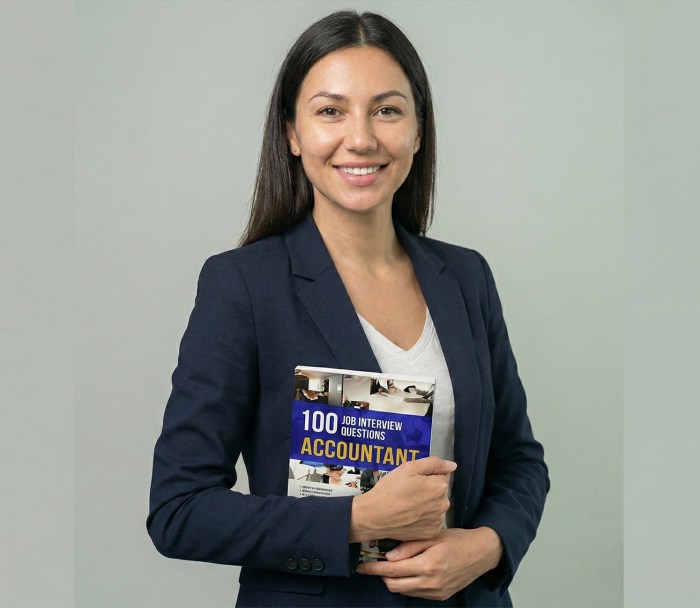
Front-facing 3D book mockup of User Experience Designer 100 Job Interview Questions, an interview question book from RockStarCV.com.

How to use this simulation

Listen for decisions, not polished phrases

Pause after each question and form your own answer before Aisha Rahman responds. Then compare the evidence provided: the constraint, the decision, the personal contribution, the trade-off, and the result.

Maya Collins and Aisha Rahman are fictional composite characters. Their employers, user experience designer examples, figures, and outcomes were created for teaching purposes.

Take the interview with you

Your user experience designer interview playbook

Use the printable framework to prepare examples, test your evidence, and rehearse stronger answers away from the screen.

  • Question prompts
  • Evidence checklist
  • Practice notes
Download the PDF playbook

What to notice

A practical viewing checklist

  1. 01

    Notice where activity replaces evidence.

  2. 02

    Add the decision rule and personal action.

  3. 03

    State the boundary you respected.

  4. 04

    Verify what changed.

Interviewer scorecard

The signals behind a credible answer

Context
Define the affected people, system, and consequence in User Experience Designer work.
Evidence
Use interview guides, journey maps, prototypes, usability tests, and accessibility evaluation to verify the condition before acting.
Decision
Name the decision you personally owned and the trade-off you accepted.

Research foundation

Sources behind the teaching principles

The sources support the interview guidance, not the fictional candidate’s invented employers, budgets, dates, or outcomes.

Similar interviews

Explore related mock interviews

More from RockStarCV

Build your complete career toolkit