Embedded Developer Resume Examples & Guide
Landing an Embedded Developer job is tough. You’re up against fierce competition, and Applicant Tracking Systems (ATS) are the first hurdle. This guide provides Embedded Developer resume examples for every experience level, from students to seasoned professionals, to help you navigate the job market.
- Quantify Achievements: Use numbers to showcase the impact of your work. Instead of saying “Improved system performance,” say “Improved system performance by 15%.”
- Highlight Relevant Skills: Tailor your skills section to match the specific requirements of the embedded systems role you’re targeting.
- Tailor to Job Description: Customize your resume for each application, emphasizing the skills and experiences that align with the job description.
- Optimize for ATS: Use keywords from the job description throughout your resume to ensure it passes through Applicant Tracking Systems.
- Use Action Verbs: Start your bullet points with strong action verbs to describe your accomplishments.
Let’s dive into some Embedded Developer resume examples to see these tips in action.
Explore editable Embedded Developer resume examples by career stage. Each sample opens in the RockStarCV builder so you can study the structure and make your own version. Every example includes role-relevant education, skills, credentials, and work history—not just a matching headline. As you compare them, look for truthful evidence of hardware bring-up, debugging, and firmware testing at the seniority level shown.
Entry-Level Embedded Developer Resume (0-2 Years Experience)
Use these entry-level examples to compare the scope, evidence, and language expected for Embedded Developer roles at this stage.
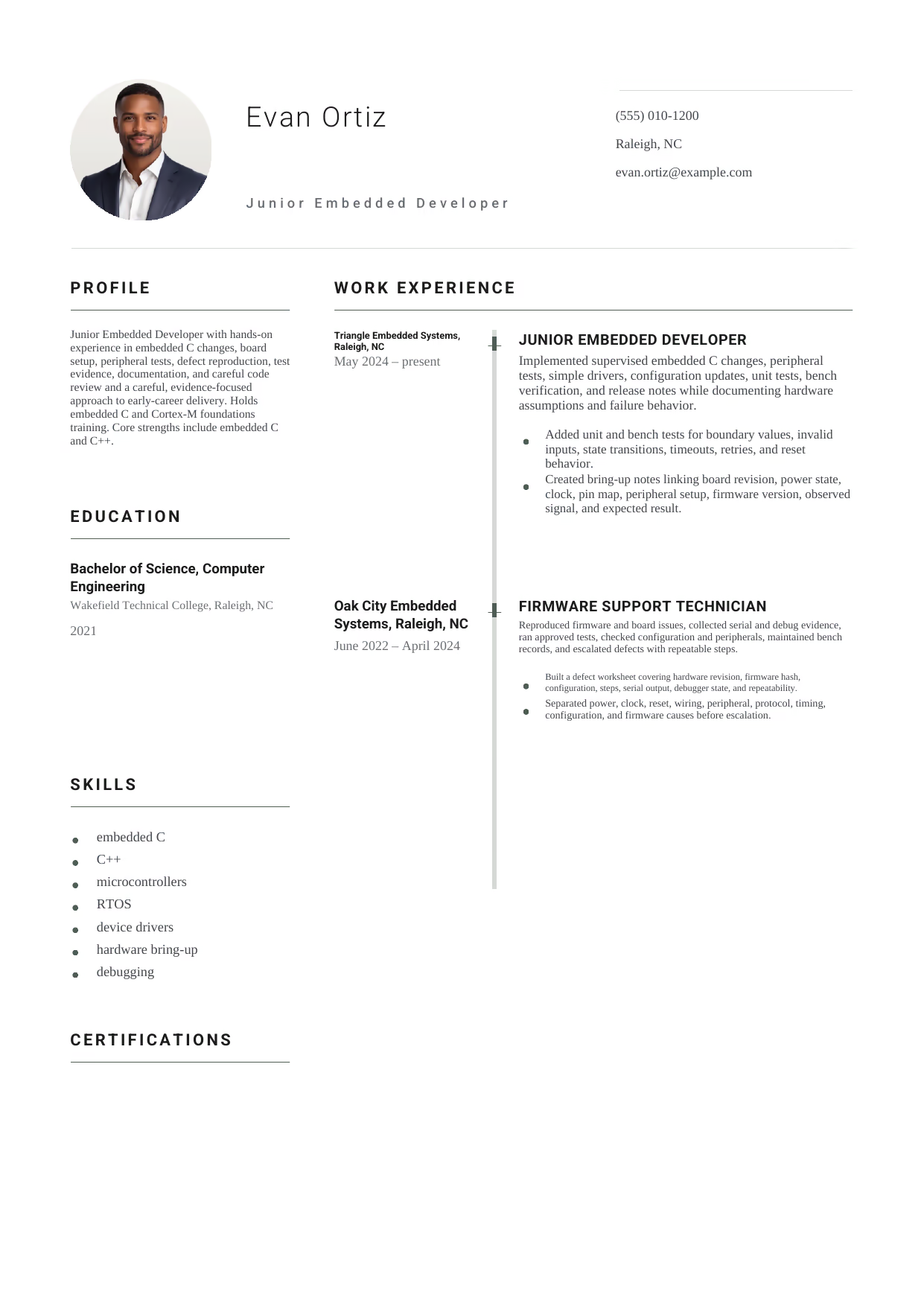
Junior Embedded Developer
A builder-ready entry-level Embedded Developer example in the Puppis template, showing stage-appropriate evidence in a focused, editable resume format.
- Editable role positioning in the Puppis layout
- Role-specific evidence and delivery context
- Review the Puppis structure with a clean visual hierarchy
View this resume
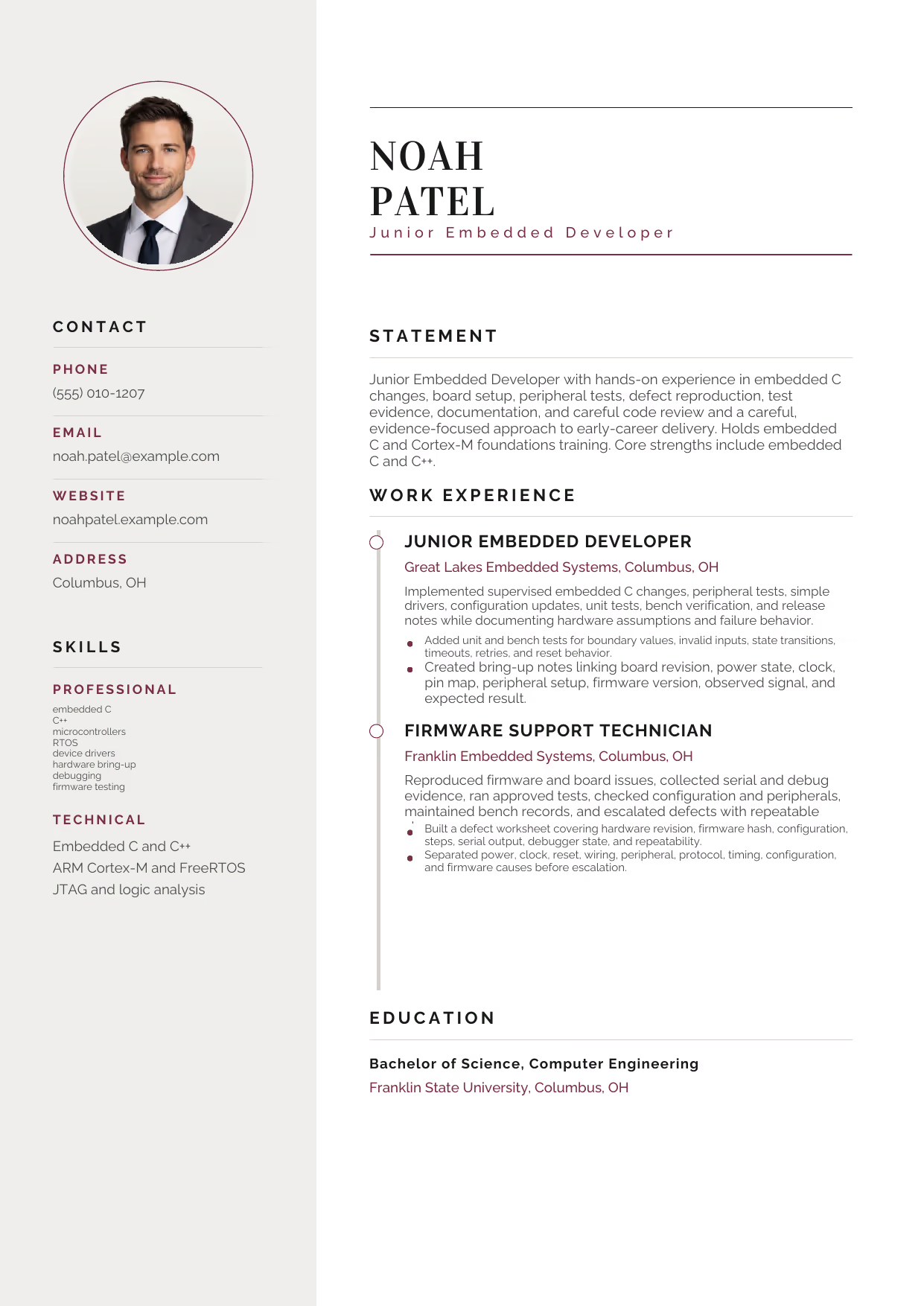
Junior Embedded Developer
A builder-ready entry-level Embedded Developer example in the Cetus template, showing stage-appropriate evidence in a focused, editable resume format.
- Editable role positioning in the Cetus layout
- Role-specific evidence and delivery context
- Review the Cetus structure with a clean visual hierarchy
View this resume
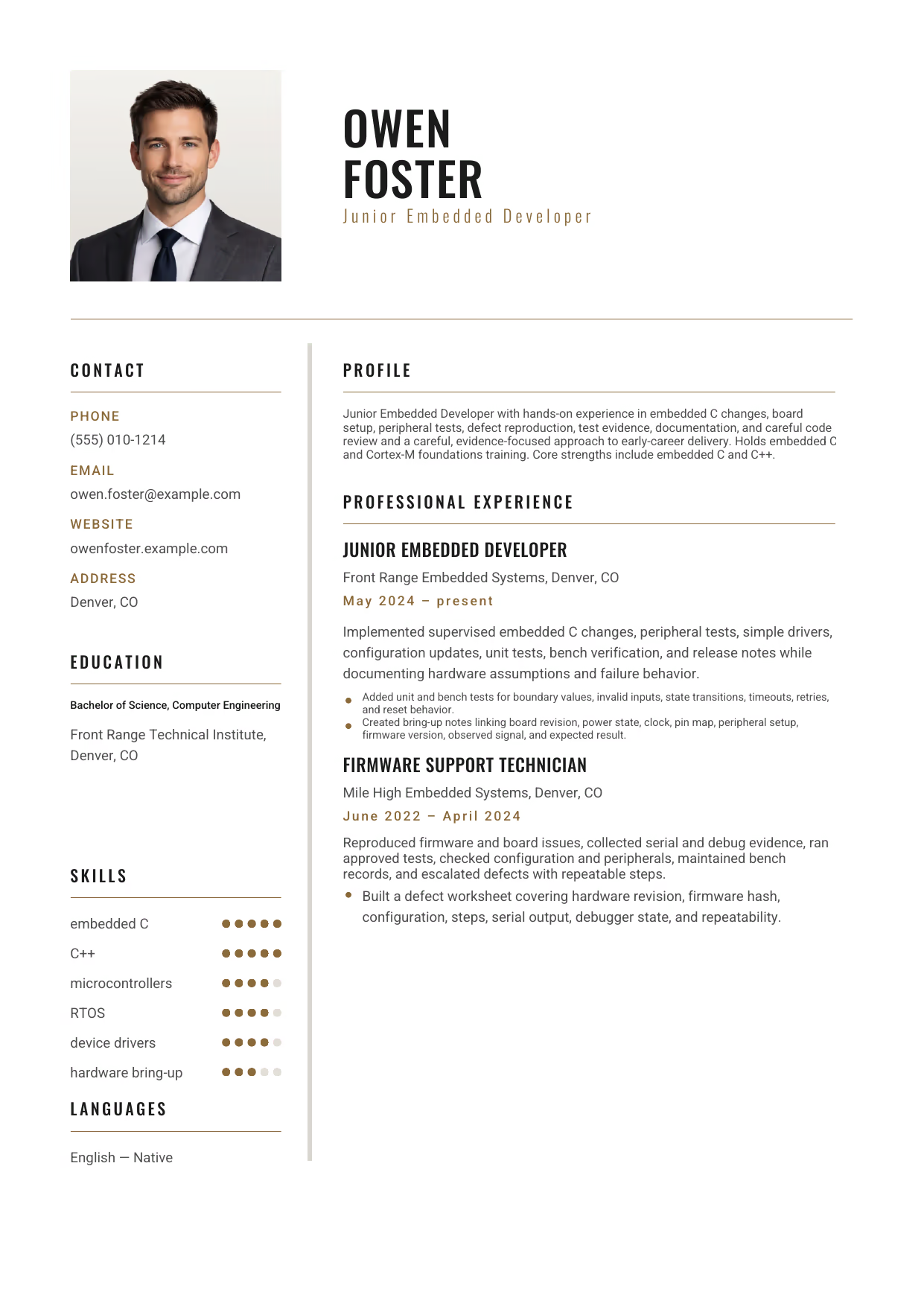
Junior Embedded Developer
A builder-ready entry-level Embedded Developer example in the Acamar template, showing stage-appropriate evidence in a focused, editable resume format.
- Editable role positioning in the Acamar layout
- Role-specific evidence and delivery context
- Review the Acamar structure with a clean visual hierarchy
View this resume
Mid-Level Embedded Developer Resume (3-7 Years Experience)
Use these mid-level examples to compare the scope, evidence, and language expected for Embedded Developer roles at this stage.
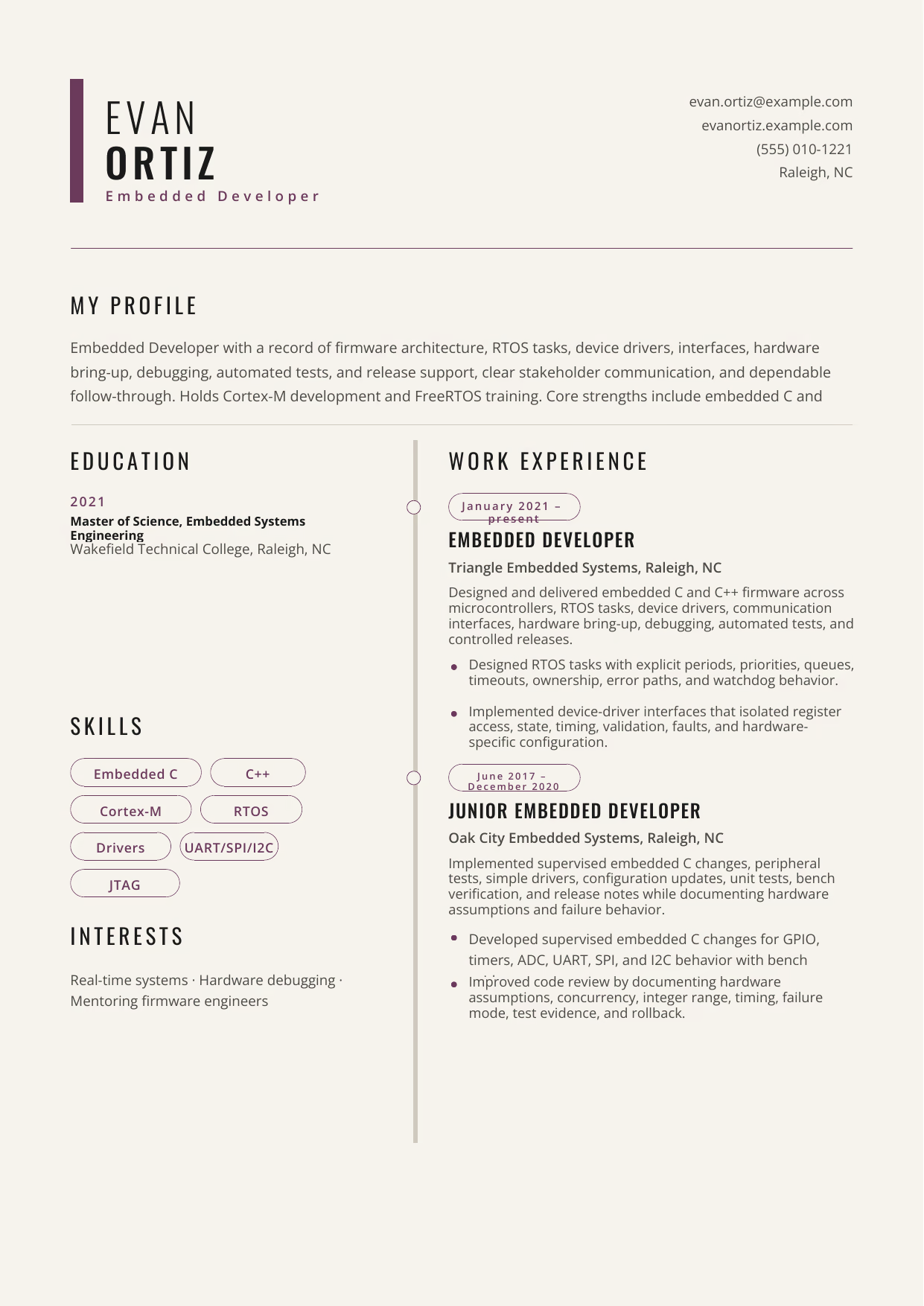
Embedded Developer
A builder-ready mid-level Embedded Developer example in the Caelum template, showing stage-appropriate evidence in a focused, editable resume format.
- Editable role positioning in the Caelum layout
- Role-specific evidence and delivery context
- Review the Caelum structure with a clean visual hierarchy
View this resume
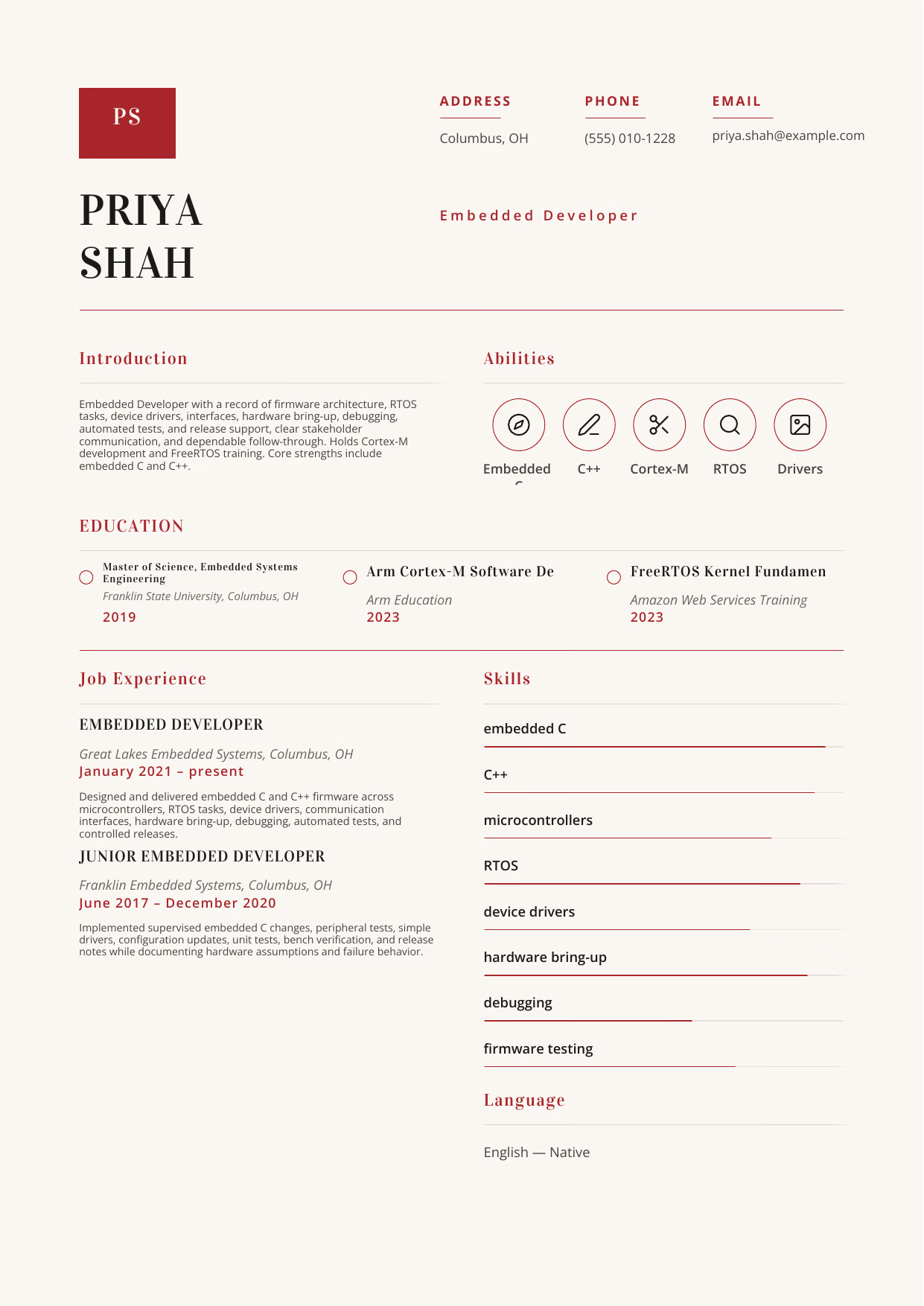
Embedded Developer
A builder-ready mid-level Embedded Developer example in the Delphinus template, showing stage-appropriate evidence in a focused, editable resume format.
- Editable role positioning in the Delphinus layout
- Role-specific evidence and delivery context
- Review the Delphinus structure with a clean visual hierarchy
View this resume

Embedded Developer
A builder-ready mid-level Embedded Developer example in the Indus template, showing stage-appropriate evidence in a focused, editable resume format.
- Editable role positioning in the Indus layout
- Role-specific evidence and delivery context
- Review the Indus structure with a clean visual hierarchy
View this resume
Senior Embedded Developer Resume (8+ Years / Management)
Use these advanced examples to compare the scope, evidence, and language expected for Embedded Developer roles at this stage.
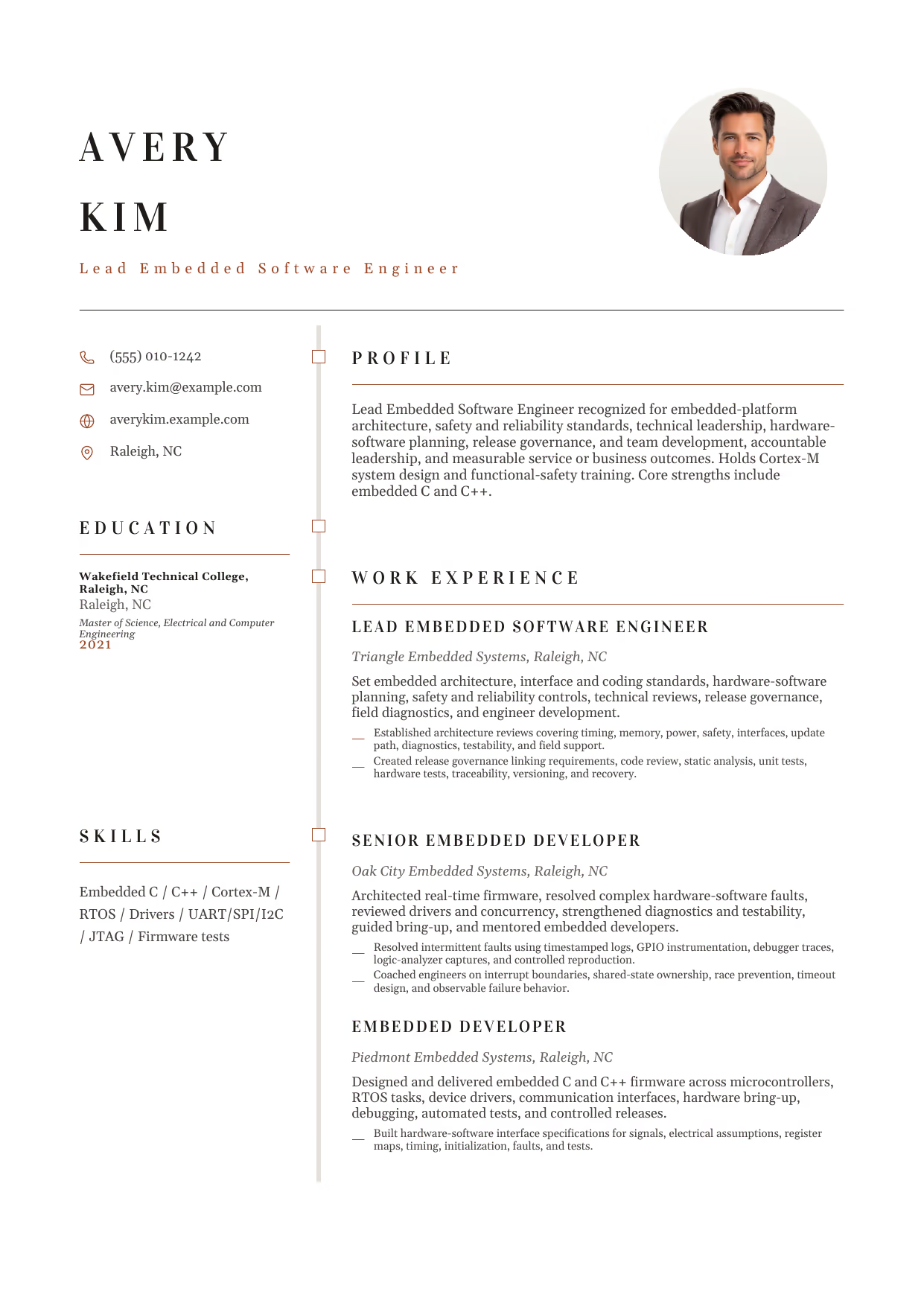
Lead Embedded Software Engineer
A builder-ready advanced Embedded Developer example in the Draco template, showing stage-appropriate evidence in a focused, editable resume format.
- Editable role positioning in the Draco layout
- Role-specific evidence and delivery context
- Review the Draco structure with a clean visual hierarchy
View this resume
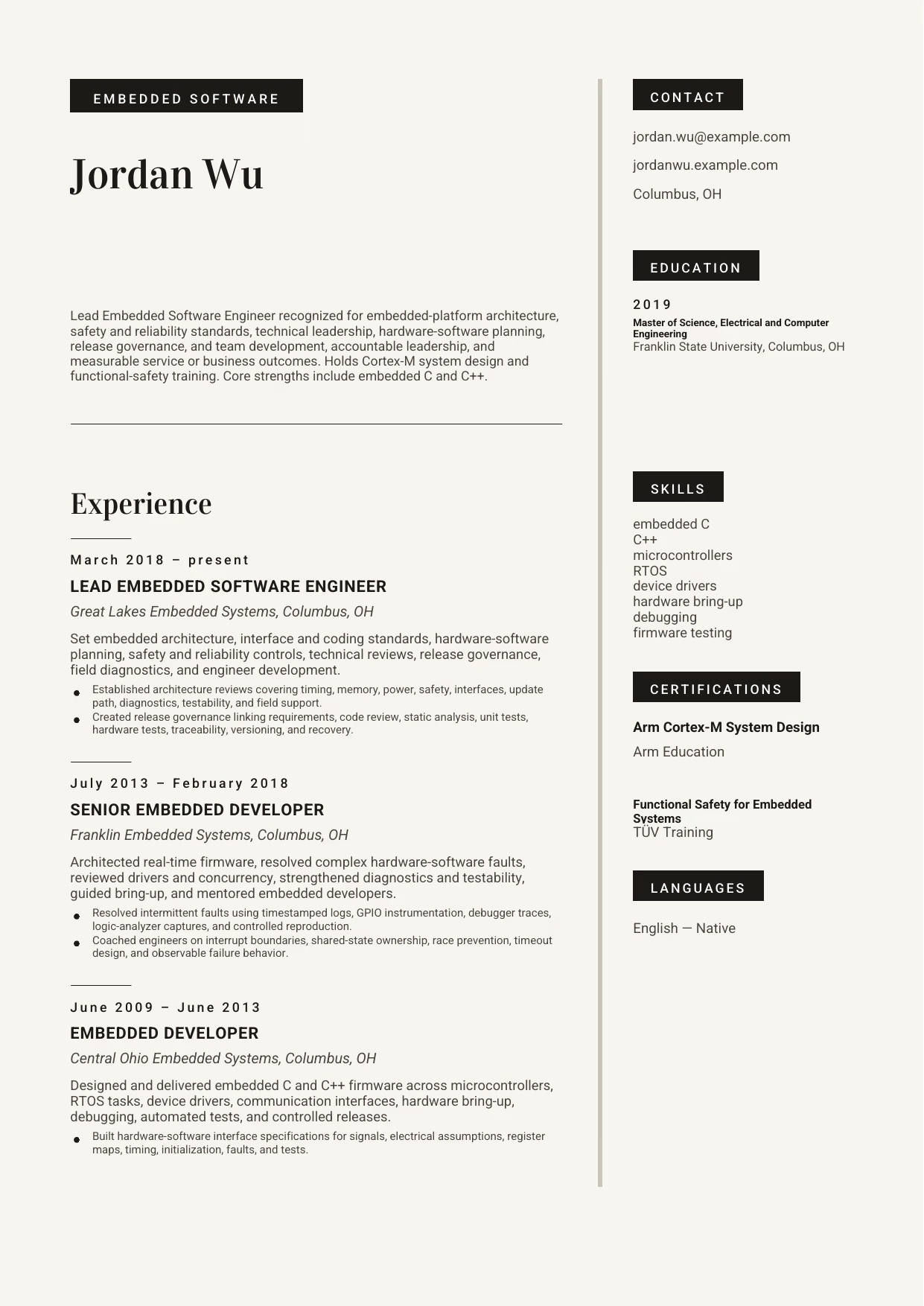
Lead Embedded Software Engineer
A builder-ready advanced Embedded Developer example in the Aquila template, showing stage-appropriate evidence in a focused, editable resume format.
- Editable role positioning in the Aquila layout
- Role-specific evidence and delivery context
- Review the Aquila structure with a clean visual hierarchy
View this resume
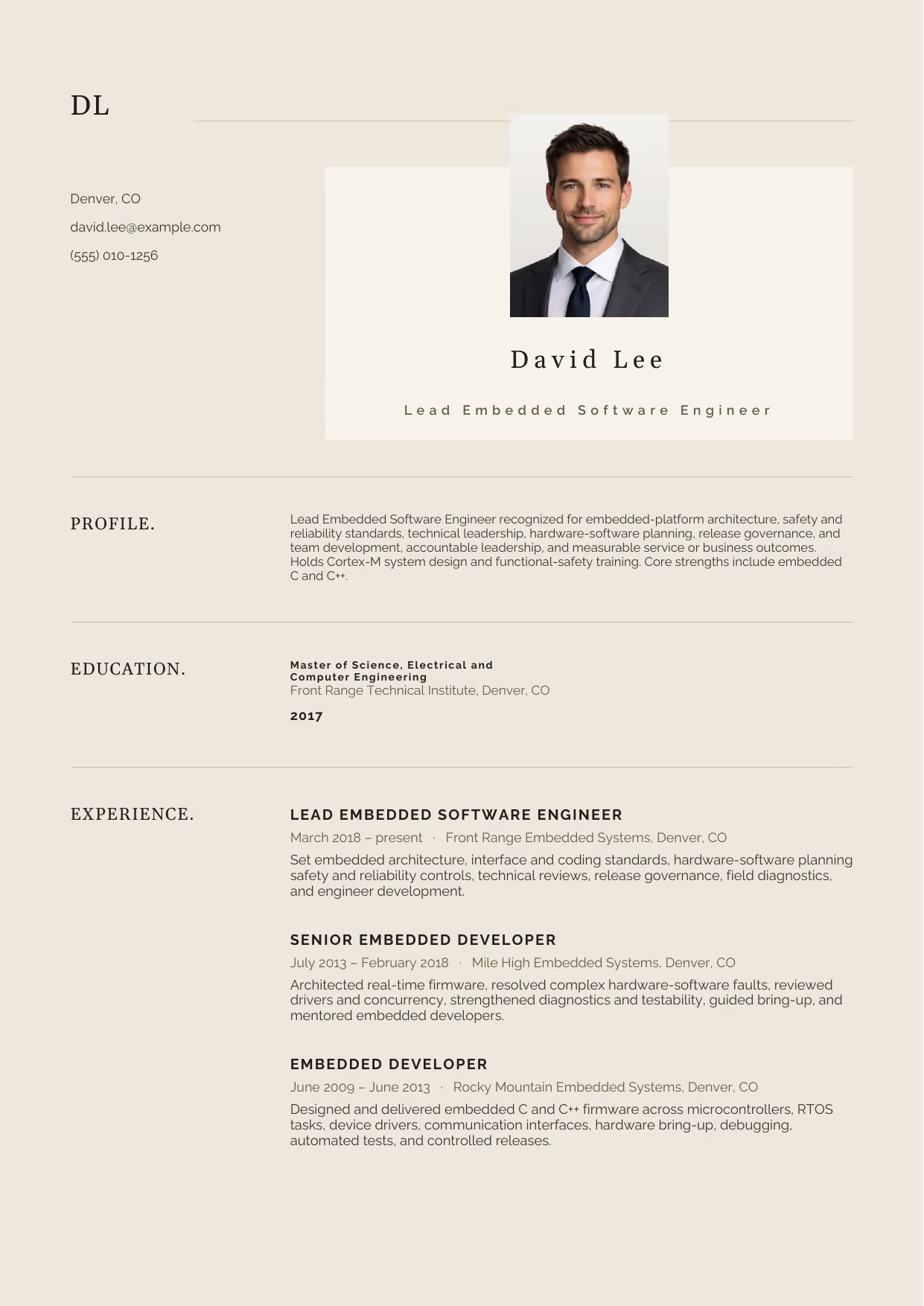
Lead Embedded Software Engineer
A builder-ready advanced Embedded Developer example in the Norma template, showing stage-appropriate evidence in a focused, editable resume format.
- Editable role positioning in the Norma layout
- Role-specific evidence and delivery context
- Review the Norma structure with a clean visual hierarchy
View this resume
How to Write an Embedded Developer Resume
The Resume Summary
The resume summary is your first impression. Make it count by clearly stating your experience and career goals. Use this formula: [Years of Experience] + [Your Title] + with expertise in + [Key Skills] + seeking a role at + [Target Company] + to [Desired Outcome].
Entry-Level Example: Recent graduate with a strong foundation in embedded systems and microcontroller programming seeking an entry-level Embedded Developer position at Company X to contribute to innovative projects and expand technical expertise.
Mid-Level Example: Highly motivated Embedded Developer with 5+ years of experience in designing and implementing embedded systems solutions, seeking a challenging role at Company Y to drive innovation and optimize system performance.
Senior Example: Results-oriented Senior Embedded Systems Architect with 10+ years of experience leading successful embedded systems projects, seeking a leadership role at Company Z to manage teams, drive innovation, and deliver high-quality solutions.
Work Experience & Action Verbs
Focus on achievements, not just duties. Instead of listing what you were responsible for, highlight what you accomplished and the impact you made.
- Before: Responsible for debugging embedded software. After: Reduced software bugs by 15% through systematic debugging and code review.
- Before: Developed firmware for a microcontroller. After: Developed efficient and reliable firmware for an ARM Cortex-M4 microcontroller, improving system performance by 10%.
- Before: Tested embedded systems. After: Conducted rigorous testing of embedded systems, identifying and resolving critical issues before product launch.
- Before: Maintained existing embedded software. After: Improved the maintainability of existing embedded software by refactoring code and adding comprehensive documentation.
- Before: Worked with hardware engineers. After: Collaborated with hardware engineers to resolve hardware-software integration issues, ensuring seamless system functionality.
Top Skills for Embedded Developers
- Hard Skills:
- C/C++ Programming
- Microcontroller Programming
- Embedded Linux
- RTOS (Real-Time Operating Systems)
- Digital Signal Processing (DSP)
- Soft Skills:
- Problem-Solving
- Analytical Thinking
- Communication
- Teamwork
- Adaptability
- Tools/Software:
- Git
- Eclipse IDE
- IAR Embedded Workbench
- Keil uVision
- Debuggers (GDB, JTAG)
Education & Certifications
For entry-level candidates, list your GPA and relevant coursework. For mid-level and senior candidates, focus on degrees and certifications.
Recommended Certifications:
- Certified Embedded Systems Engineer (CESE)
- ARM Accredited Engineer (AAE)
10 Common Embedded Developer Resume Mistakes
- Listing Duties Instead of Impact: Recruiters know what an Embedded Developer does; they want to know how well you did it. Replace passive phrases like ‘Responsible for firmware development’ with quantified wins like ‘Developed firmware that reduced power consumption by 15%, extending battery life’.
- Ignoring ATS Optimization: Applicant Tracking Systems (ATS) scan resumes for relevant keywords. Failing to include industry-specific terms like “C/C++,” “RTOS,” or “Embedded Linux” can result in your resume being automatically rejected, regardless of your qualifications. Integrate keywords naturally within your experience descriptions.
- Poorly Structured Skills Section: A disorganized skills section makes it difficult for recruiters and ATS to quickly assess your qualifications. Group skills into categories (e.g., Programming Languages, Microcontrollers, Operating Systems) and list them in order of proficiency to highlight your strengths effectively.
- Lack of Quantifiable Achievements: Generic statements like ‘Improved system performance’ lack impact. Provide specific metrics to demonstrate the value you brought to previous roles. For example, ‘Improved system performance by 20% by optimizing memory usage and reducing latency’.
- Grammar and Spelling Errors: Misspelling Core Industry Terminology: Typos in general are bad, but misspelling critical tools or certifications (like ‘RTOS’, ‘SPI’, or ‘I2C’) acts as an immediate red flag regarding your attention to detail. Always proofread carefully.
- Omitting Relevant Projects: Including personal or academic projects demonstrates your passion and initiative, especially for entry-level candidates. Highlight projects that showcase your skills in embedded systems, microcontroller programming, and software development.
- Not Tailoring to the Job Description: Generic resumes are easily overlooked. Customize your resume for each application, emphasizing the skills and experiences that align with the specific requirements of the job description. Use the same keywords and phrases used in the job posting.
- Overly Technical Jargon: While technical expertise is important, avoid using overly complex jargon that may not be understood by non-technical recruiters. Use clear and concise language to communicate your accomplishments and skills effectively.
- Inconsistent Formatting: Inconsistent formatting can make your resume appear unprofessional and disorganized. Use a consistent font, font size, and spacing throughout your resume. Ensure that your resume is visually appealing and easy to read.
- Ignoring Soft Skills: While technical skills are essential, soft skills like problem-solving, communication, and teamwork are also highly valued by employers. Highlight your soft skills in your resume, providing specific examples of how you have used them to achieve success in previous roles.
Frequently Asked Questions (Embedded Developer)
- What should an Embedded Developer resume emphasize first? Lead with the scope of embedded C changes, board setup, peripheral tests, defect reproduction, test evidence, documentation, and careful code review, then connect your contribution to a clear outcome, tool, or decision.
- Which skills deserve priority on an Embedded Developer resume? Prioritize embedded C, C++, and microcontrollers when they match the role and can be supported by evidence.
- How can an Embedded Developer show project scope and impact? Name the environment, scale, constraints, and result; firmware architecture, RTOS tasks, device drivers, interfaces, hardware bring-up, debugging, automated tests, and release support becomes more credible when the context is concrete.
- How should an Embedded Developer describe tools and technical decisions? Describe why you selected a method, how you implemented it, and what changed afterward in the Embedded Developer role.
- Which achievements matter most for an Embedded Developer application? Use outcome-led bullets that show embedded-platform architecture, safety and reliability standards, technical leadership, hardware-software planning, release governance, and team development through delivery quality, measurable scope, or stakeholder value.
- How long should an Embedded Developer resume be? Use the shortest length that proves fit; a focused page can work early-career, while broader Embedded Developer scope may need more room.
- How can an Embedded Developer explain progression between career stages? Group examples by increasing ownership, moving from embedded C changes, board setup, peripheral tests, defect reproduction, test evidence, documentation, and careful code review toward embedded-platform architecture, safety and reliability standards, technical leadership, hardware-software planning, release governance, and team development as responsibility grows.
- Which keywords should an Embedded Developer include for screening systems? Mirror truthful language from the posting, especially RTOS, without stuffing unrelated terms.
- How should an Embedded Developer present reliability, quality, or safety work? Show how you protected outcomes through device drivers and explain the evidence a hiring team can verify.
- What format makes an Embedded Developer resume easy for hiring teams to scan? Use clear headings, readable bullets, and consistent dates so a hiring manager can evaluate Embedded Developer fit quickly.
Crafting a compelling Embedded Developer resume requires careful attention to detail and a strategic approach. By following the examples and tips in this guide, you can create a resume that showcases your skills and experience and helps you land your dream job.
To find more resources, Search more Embedded Developer resources on our site.
RockStarCV Editorial Team