
Cad Designer: Choosing the Right Specialization for You
Cad Designer Specializations: Choosing the Right Path
You’re a Cad Designer, and you’re good. But “good” doesn’t cut it in today’s market. You need to be *great*. That means specializing. But where do you focus your energy? This article cuts through the noise and gives you a framework to make that decision. This is about choosing the right specialization to maximize your career potential, not a generic guide to all possible specializations.
The Cad Designer Specialization Promise
By the end of this article, you’ll have a framework for choosing a Cad Designer specialization that aligns with your skills, interests, and career goals. You’ll walk away with (1) a specialization scorecard to weigh your options, (2) a checklist to assess your current skills and identify gaps, (3) a decision matrix to evaluate different specializations based on your priorities, and (4) a 30-day action plan to start building expertise in your chosen area. Expect to make a clearer specialization decision this week and see measurable progress in your career trajectory within 3-6 months.
- Specialization Scorecard: A weighted rubric to evaluate potential specializations.
- Skills Gap Checklist: A tool to identify areas for improvement.
- Decision Matrix: A framework to compare specializations based on your priorities.
- 30-Day Action Plan: A step-by-step guide to building expertise in your chosen specialization.
- Industry Insights: Real-world examples of how specializations impact projects and career paths.
- Resource List: Curated resources for further learning and development.
What You’ll Get: A Specialization Toolkit
You’ll leave this article with actionable tools. This isn’t just theory; it’s a practical guide to help you choose the right Cad Designer specialization and accelerate your career.
- Specialization Scorecard: A weighted rubric to evaluate potential specializations.
- Skills Gap Checklist: A tool to identify areas for improvement.
- Decision Matrix: A framework to compare specializations based on your priorities.
- 30-Day Action Plan: A step-by-step guide to building expertise in your chosen specialization.
- Industry Insights: Real-world examples of how specializations impact projects and career paths.
- Resource List: Curated resources for further learning and development.
What a Hiring Manager Scans for in 15 Seconds
Hiring managers aren’t looking for generalists; they want specialists. They scan for specific skills and experience that align with their project needs. Here’s what they look for:
- Specific software proficiency: Do you have expert-level skills in the software they use?
- Industry experience: Have you worked on similar projects in their industry?
- Portfolio of relevant work: Can you demonstrate your expertise with tangible examples?
- Certifications: Do you have any relevant certifications that validate your skills?
- Problem-solving abilities: Can you articulate how you’ve overcome challenges in your specialization?
The Mistake That Quietly Kills Candidates
The biggest mistake Cad Designer candidates make is lacking a clear specialization. Generalists get overlooked because they don’t demonstrate deep expertise in any one area. To fix this, identify a specialization that aligns with your interests and skills, and then build a portfolio of work that showcases your expertise.
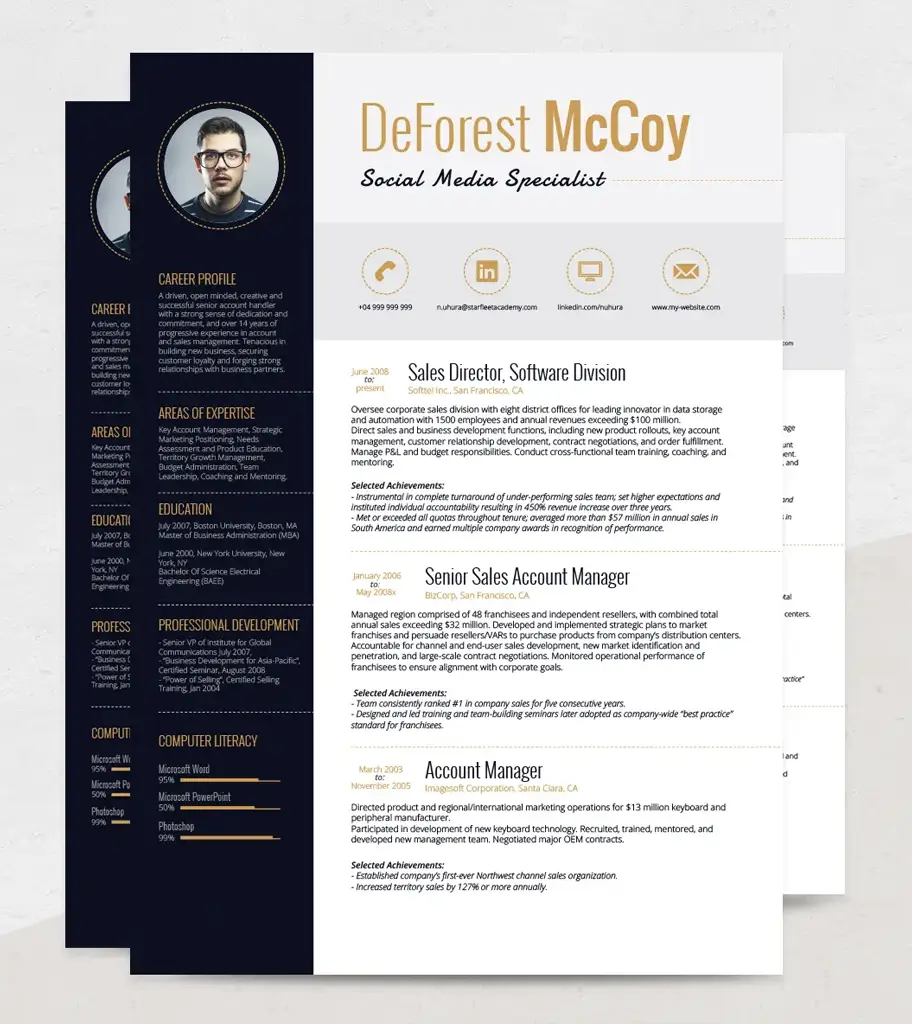
Use this line on your resume: “Specialized in [Specialization] using [Software] to achieve [Specific Metric] in [Industry].”
Understanding Cad Designer Specializations
A Cad Designer specialization is a focused area of expertise within the broader field of Cad design. It allows you to develop deep knowledge and skills in a specific domain, making you a more valuable asset to employers. For example, specializing in architectural design or mechanical design.
Example: A Cad Designer might specialize in BIM (Building Information Modeling) for architectural projects, focusing on creating and managing 3D models for building design and construction.
Common Cad Designer Specializations
Choosing a specialization can seem daunting. Here are some common areas to consider:
- Architectural Design: Focuses on designing buildings and structures.
- Mechanical Design: Focuses on designing mechanical components and systems.
- Electrical Design: Focuses on designing electrical systems and layouts.
- Civil Engineering Design: Focuses on designing infrastructure projects like roads and bridges.
- Product Design: Focuses on designing consumer products and industrial equipment.
The Specialization Scorecard: Evaluating Your Options
Use this scorecard to evaluate potential specializations. This will help you identify the best fit for your skills and interests.
Cad Designer Specialization Scorecard
Criteria:
1. Interest Level (Weight: 25%)
2. Market Demand (Weight: 25%)
3. Skill Alignment (Weight: 20%)
4. Growth Potential (Weight: 15%)
5. Earning Potential (Weight: 15%)
Assessing Your Current Skills: The Skills Gap Checklist
Identify your strengths and weaknesses with this checklist. This will help you focus your learning efforts.
Cad Designer Skills Gap Checklist
Skills:
1. Software Proficiency (AutoCAD, SolidWorks, Revit, etc.)
2. Industry Knowledge (Architecture, Mechanical Engineering, etc.)
3. Design Principles (Ergonomics, Aesthetics, Functionality)
4. Problem-Solving Abilities
5. Communication Skills
6. Project Management Skills
Making the Decision: The Specialization Decision Matrix
Compare different specializations with this matrix. This will help you make a data-driven decision.
Cad Designer Specialization Decision Matrix
Specialization Options:
1. Architectural Design
2. Mechanical Design
3. Electrical Design
4. Civil Engineering Design
5. Product Design
Building Expertise: The 30-Day Action Plan
Follow this plan to start building expertise in your chosen specialization. This will help you make measurable progress in your career.
Cad Designer 30-Day Action Plan
Week 1: Research and Planning
Week 2: Skill Development
Week 3: Portfolio Building
Week 4: Networking and Job Search
Industry Insights: Real-World Examples
See how specializations impact projects and career paths. This will help you understand the practical implications of your decision.
Example: A Cad Designer specializing in BIM for healthcare facilities was able to streamline the design process and reduce construction costs by 15% on a recent hospital project.
Resource List: Further Learning and Development
Explore these resources to deepen your knowledge and skills. This will help you stay ahead of the curve and become a sought-after specialist.
- Online Courses: Coursera, Udemy, edX
- Industry Publications: CADalyst, Design World
- Professional Organizations: ASME, AIA
What Strong Looks Like: The Specialized Cad Designer
A strong Cad Designer isn’t just proficient in software; they’re a specialist with deep industry knowledge and a proven track record. They can articulate their expertise, demonstrate their problem-solving abilities, and contribute to projects in a meaningful way.
Quiet Red Flags: Avoid These Mistakes
Certain mistakes can signal a lack of specialization. Avoid these red flags:
- Generic resume: A resume that lists general skills without highlighting specific expertise.
- Lack of portfolio: A portfolio that doesn’t showcase relevant work samples.
- Inability to articulate expertise: Difficulty explaining your specialization and its impact on projects.
Contrarian Truth: Generalists Get Overlooked
Most people think being a generalist is a strength. However, hiring managers actually scan for specialists because they demonstrate deep expertise and a proven track record in a specific area. To stand out, focus on developing a specialization and building a portfolio of relevant work.
FAQ
What are the most in-demand Cad Designer specializations?
The most in-demand specializations vary by industry, but generally include BIM for architectural projects, mechanical design for manufacturing, and electrical design for infrastructure projects. These specializations offer strong career prospects and competitive salaries.
How can I determine which specialization is right for me?
Consider your interests, skills, and career goals. Research different specializations and evaluate them based on market demand, growth potential, and earning potential. Use the specialization scorecard to weigh your options and make a data-driven decision.
What skills are essential for Cad Designer specializations?
Essential skills include software proficiency (AutoCAD, SolidWorks, Revit, etc.), industry knowledge (architecture, mechanical engineering, etc.), design principles (ergonomics, aesthetics, functionality), problem-solving abilities, communication skills, and project management skills. Focus on developing these skills to excel in your chosen specialization.
How long does it take to become a Cad Designer specialist?
The time it takes to become a specialist varies depending on the specialization and your prior experience. Generally, it takes 1-2 years of focused learning and practice to develop deep expertise in a specific area. Follow the 30-day action plan to start building expertise and make measurable progress in your career.
What are the best resources for learning about Cad Designer specializations?
Explore online courses (Coursera, Udemy, edX), industry publications (CADalyst, Design World), and professional organizations (ASME, AIA). These resources offer valuable insights, training, and networking opportunities to help you deepen your knowledge and skills.
How can I showcase my specialization on my resume and in interviews?
Highlight your specific skills and experience in your resume bullets, and showcase your expertise with a portfolio of relevant work samples. In interviews, articulate your specialization and its impact on projects, and demonstrate your problem-solving abilities with concrete examples.
What are some common mistakes to avoid when choosing a specialization?
Avoid choosing a specialization based solely on salary or market demand, without considering your interests and skills. Also, avoid spreading yourself too thin by trying to learn too many specializations at once. Focus on developing deep expertise in one area to become a valuable asset to employers.
Should I get certified in my chosen specialization?
Certifications can validate your skills and demonstrate your commitment to your specialization. Research relevant certifications and consider pursuing them to enhance your credibility and career prospects. However, certifications are not a substitute for practical experience and a portfolio of relevant work.
What are the career paths for Cad Designer specialists?
Career paths vary depending on the specialization, but generally include senior Cad Designer, lead Cad Designer, project manager, and design engineer. With experience and expertise, you can also pursue management roles or start your own design firm.
How important is networking in building a Cad Designer specialization?
Networking is crucial for building your specialization because it allows you to learn from others, find mentors, and discover new opportunities. Attend industry events, join professional organizations, and connect with other Cad Designers online to expand your network and advance your career.
What’s the difference between a Cad Designer and a Cad Drafter?
A Cad Drafter typically focuses on creating technical drawings based on existing designs, while a Cad Designer is involved in the design process itself, developing concepts and solutions. Designers often have more creative input and problem-solving responsibilities.
Is it worth specializing in older CAD software if that’s what my current company uses?
It depends on your long-term career goals. While specializing in the software your current company uses might offer short-term benefits, focusing on newer, more widely adopted software could open up more opportunities in the future. Consider a hybrid approach, learning the older software while also developing skills in newer technologies.
More Cad Designer resources
Browse more posts and templates for Cad Designer: Cad Designer


Keep Exploring! There’s More to Discover:


