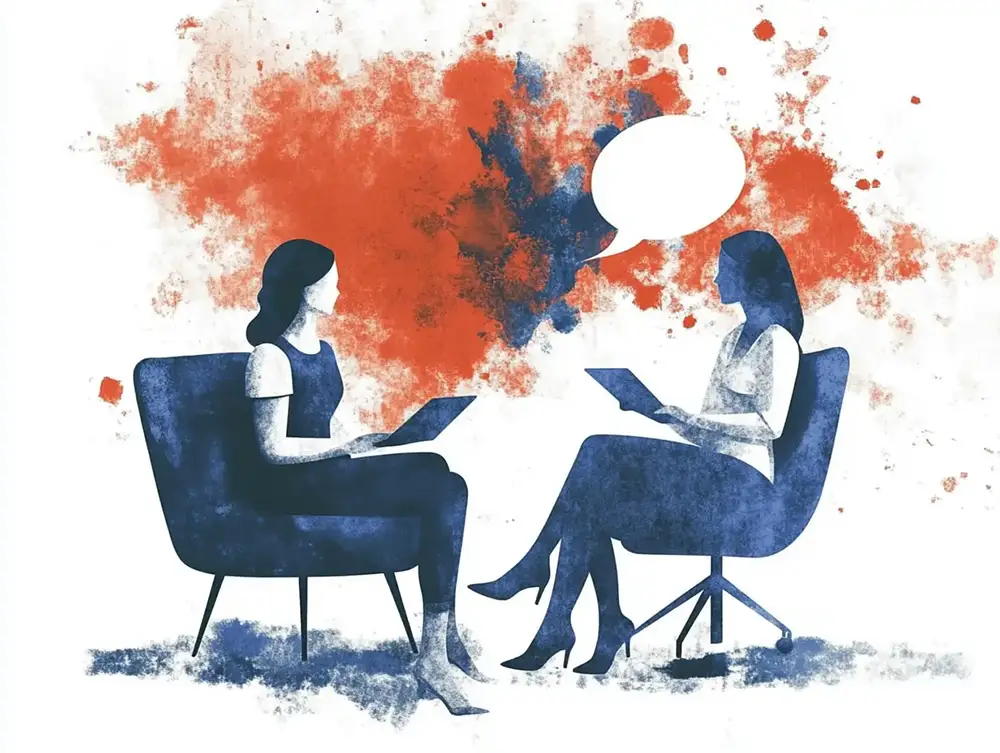
The ability to express one’s thoughts and feelings effectively is a cornerstone of human interaction, and yet, it’s a skill often underestimated and overlooked. Communication, when mastered, can not only enhance our interpersonal relationships but also boost our self-confidence, enabling us to navigate various social scenarios with ease and assertiveness.
But, what’s the connection between communication and confidence? Picture this: You’re in a meeting, the room is filled with people waiting for your presentation. Your mind is brimming with ideas, but as you open your mouth, you falter, unable to articulate clearly. Your confidence plummets, and the opportunity slips away.
Now, imagine the same scenario, but this time, you’re able to express your thoughts coherently. You make eye contact, your voice steady and clear. The room is captivated. You feel a sense of accomplishment, a surge of confidence. That’s the power of effective communication!
Whether it’s a high-stakes business negotiation, a casual conversation with friends, or a public speaking event, effective communication skills can significantly enhance your confidence. By mastering these skills, you empower yourself to be heard, respected, and influential in any setting.
Delve into this enlightening journey as we explore how developing effective communication skills can be your ultimate tool for building self-confidence. You’ll find practical tips, fascinating research, and inspiring success stories that will transform the way you perceive and utilize communication.
Unlocking Your Potential Through Communication
In a world that thrives on connection, the ability to communicate effectively is not just a skill—it’s a powerful tool that can unlock a myriad of opportunities. Whether you are navigating the complexities of a corporate environment, building relationships, or engaging in social settings, strong communication skills form the foundation of confidence. The art of expressing your thoughts clearly and persuasively can significantly elevate your self-esteem and enhance your interactions with others.
Consider this: a recent study by the National Center for Biotechnology Information revealed that individuals with strong communication abilities are often perceived as more competent and trustworthy. This perception isn’t just a byproduct; it shapes how others respond to you, influencing everything from job offers to social invitations. When you articulate your ideas clearly, you not only convey your message effectively but also garner respect and attention from your audience.
Moreover, effective communication fosters a deeper understanding of oneself. Engaging in meaningful conversations encourages introspection, allowing you to clarify your thoughts and beliefs. This clarity breeds confidence, as you become more aware of your values and how to express them. When you articulate your needs and opinions with conviction, you not only enhance your self-image but also inspire others to listen and engage with your perspective.
Additionally, mastering communication skills can lead to improved relationships. Clear and assertive dialogue reduces misunderstandings and conflicts, creating a more harmonious environment whether at work or in personal life. When you communicate openly, you invite collaboration, foster trust, and build rapport with those around you. This reciprocal exchange of ideas and emotions strengthens connections, making you feel more secure and valued in your interactions.
Furthermore, in an ever-evolving digital landscape, the demand for effective communication has never been more critical. As remote work and virtual interactions proliferate, the ability to convey messages succinctly through emails, video calls, and social media has become essential. Embracing these platforms and honing your communication skills allows you to navigate this new terrain with confidence, ensuring your voice is heard and respected, regardless of the medium.
In essence, the significance of honing your communication skills extends far beyond mere conversation. It transforms your self-perception and alters how others perceive you, creating a ripple effect that can enhance both your professional and personal life. By investing time and effort into developing these skills, you not only build confidence but also empower yourself to make meaningful connections and seize opportunities that align with your aspirations.
Unlocking Your Potential: A Step-by-Step Approach to Communication Mastery
Effective communication is a cornerstone of personal and professional success. It holds the power to bridge gaps, foster relationships, and build trust. Yet, many individuals struggle to convey their thoughts and ideas clearly, often leading to misunderstandings and missed opportunities. By enhancing your communication skills, you not only improve your ability to express yourself but also boost your confidence in various situations—from casual conversations to high-stakes presentations.
This guide offers a structured pathway to refining your communication abilities, enabling you to articulate your thoughts with clarity and poise. Whether you’re preparing for a job interview, aiming to lead a team meeting, or simply wishing to enhance your social interactions, mastering these skills can be transformative. Here’s how to embark on this journey:
1. Self-Assessment: Know Your Starting Point
Before diving into improvement, take a moment to evaluate your current communication style. Reflect on past conversations: What worked well? What didn’t? Consider soliciting feedback from friends or colleagues who can provide honest insights. This self-awareness will serve as a foundation for your growth.
2. Set Clear Goals
What do you hope to achieve through better communication? Whether it’s speaking more assertively, being a better listener, or mastering public speaking, define your goals clearly. This will not only give you a target to aim for but also help you measure your progress along the way.
3. Active Listening: The Unsung Hero of Communication
Effective communication is not just about speaking; it’s equally about listening. Active listening involves fully concentrating, understanding, responding, and remembering what is being said. Practice this skill by engaging in conversations where your primary focus is to listen rather than to respond. Acknowledge what the other person is saying, and ask clarifying questions to deepen your understanding.
4. Non-Verbal Communication: Mastering Body Language
Your body language, facial expressions, and tone of voice can convey more than words alone. Be mindful of these non-verbal cues. Practice maintaining eye contact, using open gestures, and adopting a confident posture. These elements will enhance your message and help you appear more approachable and trustworthy.
5. Expand Your Vocabulary and Clarity
While it’s important to communicate clearly, a rich vocabulary can enhance your expressiveness. Read widely and learn new words, but ensure you use them appropriately. Strive for clarity over complexity; your goal is to be understood, not to impress. Practice articulating your thoughts in simple, straightforward language.
6. Practice, Practice, Practice
Like any skill, effective communication requires practice. Engage in conversations consciously, participate in public speaking events, or join groups like Toastmasters to hone your abilities. You might also consider recording yourself during practice sessions to evaluate your delivery and make necessary adjustments.
7. Seek Constructive Feedback
Feedback is essential for growth. After practicing your communication skills, seek feedback from trusted peers or mentors. Ask them to provide specific insights on your strengths and areas for improvement. Use this feedback to refine your approach continuously.
8. Embrace Vulnerability
Confidence in communication often comes from embracing vulnerability. Don’t be afraid to share your thoughts, opinions, and feelings, even if they expose your uncertainties. Authenticity fosters connection and can make your message resonate more with your audience.
By following these steps, you’ll not only enhance your communication skills but also build the confidence you need to express yourself effectively in any situation. As you embark on this journey, remember that every conversation is an opportunity to learn and grow.
Identifying and Overcoming Common Communication Pitfalls
Effective communication is a cornerstone of building confidence, yet many individuals unknowingly sabotage their own efforts by falling into common pitfalls. Recognizing these barriers is the first step towards enhancing your communication skills and, consequently, your self-assurance. Let’s delve into some prevalent challenges that can hinder effective communication and explore practical strategies to overcome them.
1. Fear of Judgment
One of the most significant barriers to effective communication is the fear of being judged. This fear often leads individuals to second-guess their words or remain silent altogether, missing opportunities to express their thoughts and ideas. To combat this, it can be helpful to shift your perspective. Remember that most people are more focused on their own concerns than on critiquing others. Practicing self-compassion and reframing negative thoughts can also help you feel more at ease.
2. Lack of Clarity
Communication is most effective when the message is clear and concise. However, many people struggle with articulating their thoughts, leading to misunderstandings and frustration. To improve clarity, consider employing the three C’s of communication: be clear, be concise, and be coherent. Before speaking, take a moment to organize your thoughts. Using simple language and structuring your ideas logically can vastly improve your ability to convey your message.
3. Over-Reliance on Nonverbal Cues
While nonverbal communication plays a crucial role in conveying emotions and intent, relying too heavily on gestures, facial expressions, or tone can lead to misinterpretation. Many assume that their body language will do the talking for them, but this can backfire. To enhance your communication, strive for a balance between verbal and nonverbal cues. Make sure your words align with your body language to foster authenticity and trust.
4. Interrupting Others
Interrupting during conversations can signal disrespect and diminish your credibility. Unfortunately, it’s a common tendency when individuals are eager to share their thoughts or feel passionate about the topic. To mitigate this, practice active listening. Give your full attention to the speaker, and resist the urge to interject. Allow the person to finish their thoughts before responding. This not only shows respect but also enhances your ability to engage meaningfully in discussions.
5. Inadequate Feedback
Feedback is a vital component of effective communication, yet many shy away from giving or receiving it. Without constructive feedback, it’s challenging to gauge how well you are communicating. Cultivate an environment where feedback is welcomed and valued. When giving feedback, focus on specific behaviors rather than personal attributes to maintain a positive atmosphere. Likewise, when receiving feedback, approach it with an open mind, viewing it as an opportunity for growth rather than criticism.
By recognizing these common communication pitfalls, you can take proactive steps to transform how you connect with others. Developing effective communication skills not only enhances your ability to express yourself but also fortifies your confidence in various social and professional settings.
Unlocking Your Potential: Mastering Communication for Greater Confidence
Effective communication is a cornerstone of personal and professional success. It encompasses not only the words we choose but also how we convey our thoughts and emotions. By honing your communication skills, you can significantly boost your confidence, enabling you to express yourself more clearly and assertively in various situations. The ability to articulate your ideas and feelings not only enhances your interpersonal relationships but also empowers you to present yourself with poise in challenging environments.
Building confidence through communication involves several key elements. First, understanding your audience is crucial. Tailoring your message to resonate with different groups—whether in a workplace meeting, a social gathering, or a public speaking event—can make a significant difference in how your message is received. Engaging your listeners and making them feel involved fosters a sense of connection and trust.
Practicing active listening is another vital component. When you genuinely listen to others, you gain valuable insights and build rapport, which enhances your communication. This not only allows you to respond more effectively but also demonstrates respect and empathy, further establishing your confidence in social interactions.
Moreover, nonverbal communication plays an essential role in how your message is perceived. Your body language, eye contact, and facial expressions all contribute to the overall impact of your communication. Being mindful of these nonverbal cues can help you project confidence and authority, making your spoken words even more powerful.
To further develop your communication skills, consider practicing in low-pressure environments. Engage in conversations with friends or family, or join community groups where you can express your thoughts and ideas openly. This practice not only helps you refine your speaking abilities but also allows you to build resilience against anxiety when speaking in larger or more formal settings.
Additionally, feedback is an invaluable tool for growth. Whether it’s through peer reviews, public speaking clubs like Toastmasters, or simply asking for constructive criticism from trusted friends, seeking input can help identify areas for improvement and reinforce your strengths. Constructive feedback enables you to adjust your approach and further refine your skills, leading to increased confidence over time.
Finally, embracing vulnerability can transform your communication experience. Accepting that it’s okay to make mistakes or to not have all the answers can alleviate pressure and allow for more genuine interactions. When you present your authentic self, you create a more inviting atmosphere for dialogue, which can lead to deeper connections and more impactful conversations.
Incorporating these expert tips into your daily life can significantly enhance your communication skills and, consequently, your confidence. As you practice and develop these abilities, you’ll find that your capacity to connect with others and express your thoughts becomes second nature, unlocking new opportunities for personal and professional growth.
Unlocking Pathways to Achievement Through Communication Mastery
The art of communication is not merely about exchanging words; it’s about fostering connections, building relationships, and expressing ideas with clarity and confidence. When individuals cultivate effective communication skills, they unlock a myriad of opportunities that can lead to personal and professional success. In today’s fast-paced world, the ability to articulate thoughts and feelings clearly is invaluable, as it sets the stage for collaboration, negotiation, and leadership.
Effective communication transcends verbal exchanges; it encompasses non-verbal cues, active listening, and emotional intelligence. Each of these elements plays a critical role in how messages are received and interpreted. For instance, maintaining eye contact can convey trust and sincerity, while a well-placed nod can affirm understanding and engagement. By mastering these nuances, individuals can enhance their interpersonal interactions, ensuring their messages resonate with their audience.
Moreover, the impact of strong communication skills extends into the realm of professional advancement. In workplaces where collaboration is key, the ability to communicate effectively can lead to improved teamwork and productivity. According to a study by the Project Management Institute, organizations that prioritize effective communication are 20% more likely to complete projects on time and within budget. This statistic underscores the connection between communication proficiency and organizational success.
Leaders who communicate well are often perceived as more competent and approachable. A survey conducted by LinkedIn found that 87% of professionals consider effective communication as a critical skill for career advancement. When leaders articulate their vision clearly and inspire their teams through compelling narratives, they foster an environment of trust, motivation, and respect. This not only enhances team dynamics but also drives overall performance.
Furthermore, effective communication skills are essential for personal relationships. Whether it’s resolving conflicts with friends or expressing affection to family members, the clarity with which we communicate can significantly affect our connections. A study published in the journal Personal Relationships highlights that couples with strong communication skills report higher levels of satisfaction and intimacy. By being able to express thoughts and feelings openly, individuals can navigate challenges and deepen their bonds with others.
In essence, the ability to communicate effectively is a cornerstone of success in various aspects of life. It not only helps in articulating ideas and influencing others but also plays a pivotal role in building confidence. As individuals become adept at expressing themselves, they begin to feel more assured in their abilities, leading to a positive feedback loop that fuels further growth and achievement.
Common Inquiries About Developing Communication Skills
Effective communication is vital not only in professional settings but also in personal relationships. If you’re looking to enhance your ability to express yourself clearly and confidently, you might have some questions. Here are the most frequently asked questions about building communication skills and how they can impact your confidence.
1. What are the key components of effective communication?
Effective communication includes several components: clarity, active listening, non-verbal cues, empathy, and feedback. Clarity ensures your message is understandable, while active listening allows you to engage with others thoughtfully. Non-verbal cues, such as body language and facial expressions, play a crucial role in conveying your message, often speaking louder than words. Empathy helps you connect with your audience, and providing constructive feedback fosters an open dialogue.
2. How can I improve my active listening skills?
Improving active listening involves several practical steps. First, maintain eye contact to show you are engaged. Second, practice summarizing what the other person has said to confirm understanding. Avoid interrupting, and instead, ask open-ended questions that encourage further discussion. Lastly, be aware of your body language; nodding and leaning slightly forward can signal your interest and attentiveness.
3. Why is body language important in communication?
Body language is a powerful form of non-verbal communication that can enhance or undermine your spoken words. Research indicates that a significant portion of communication is non-verbal, with body language accounting for approximately 55% of the total message. Positive body language, such as open postures and appropriate gestures, can convey confidence and engagement, while negative body language, like crossed arms or avoiding eye contact, may suggest disinterest or insecurity.
4. Can public speaking improve my confidence?
Absolutely! Public speaking is one of the most effective ways to build confidence. By regularly practicing speaking in front of others, you can overcome your fears and improve your ability to articulate thoughts clearly. This skill not only enhances your communication but also boosts your overall self-esteem. Joining public speaking clubs, such as Toastmasters, can provide a supportive environment for practice.
5. How do I handle communication anxiety?
Communication anxiety is a common challenge, but there are several strategies to manage it. Preparation is key; the more familiar you are with your material, the more confident you will feel. Practice mindfulness and breathing exercises to reduce anxiety before speaking. Visualizing a successful interaction can also help calm nerves. Remember, it’s normal to feel nervous, and with practice, you can learn to channel that energy into positive communication.
6. What role does feedback play in improving communication skills?
Feedback is essential for growth. Constructive criticism helps you identify areas for improvement, while positive feedback reinforces effective communication practices. After any communication situation—be it a presentation, meeting, or informal conversation—seek feedback from trusted peers or mentors. This will not only enhance your skills but also demonstrate your commitment to improvement.
7. Are there specific exercises to enhance my communication skills?
Yes! Several exercises can help you develop your communication abilities. Role-playing different scenarios can provide hands-on experience in various contexts. Practicing active listening with a friend or family member can strengthen your engagement skills. Additionally, recording yourself speaking and reviewing the footage allows you to identify areas of improvement in your delivery and body language.
By addressing these frequently asked questions, you can take meaningful steps toward enhancing your communication skills, ultimately leading to greater confidence in your interactions both personally and professionally.
Empowering Yourself Through the Art of Communication
In today’s fast-paced world, the ability to communicate effectively is not just a skill but a vital key to unlocking personal and professional success. Whether in a boardroom meeting, a networking event, or a casual conversation, the way we express ourselves can significantly influence our confidence levels and how others perceive us. Mastering communication skills is akin to wielding a superpower; it allows you to articulate your thoughts, persuade others, and build meaningful relationships.
Effective communication can transform your interactions from mundane exchanges into impactful engagements. When you communicate clearly and confidently, you naturally inspire trust and respect from those around you. This newfound confidence can lead to numerous opportunities, whether it’s advancing in your career or enhancing your personal relationships. Imagine walking into a room full of people and being able to hold your ground, share your ideas, and connect with others effortlessly. That is the power of effective communication.
Moreover, building confidence through communication is an ongoing journey. It involves continuous learning, self-reflection, and practice. Engaging in public speaking, participating in group discussions, or even practicing active listening can help hone these skills. Each interaction is a chance to refine your technique, increase your comfort level, and enhance your ability to convey your thoughts persuasively.
Furthermore, the benefits extend beyond mere self-assurance. Good communication fosters collaboration and encourages a positive atmosphere in both personal and professional settings. It helps to resolve conflicts, promote understanding, and facilitate teamwork. When individuals feel heard and valued, they are more likely to contribute openly and work towards common goals.
In a world that increasingly values interpersonal skills, investing time and effort into developing your communication abilities is a wise decision. The journey may seem daunting at first, but with each step you take, you’ll find that your confidence grows, and so does your capacity to influence and inspire others. Embrace the challenge of becoming a more effective communicator, and watch as it transforms not only your self-esteem but also the quality of your relationships and opportunities in life.
Ultimately, the art of communication is a lifelong pursuit. As you become more adept at expressing yourself, you’ll discover that confidence is an inherent part of your personality. With practice and perseverance, you’ll not only enhance your ability to communicate but also empower yourself to navigate the complexities of life with poise and assurance.