
Basketball Coach Resume Examples
Basketball Coach Resume Examples & Guide
Landing a basketball coaching position can be challenging. Applicant Tracking Systems (ATS) filter out many resumes, and the competition is fierce. This guide provides basketball coach resume examples for every experience level, along with expert tips to help you stand out and secure interviews.
- Quantify Achievements: Use numbers to demonstrate your impact on team performance and player development.
- Highlight Relevant Skills: Showcase skills like game strategy, player motivation, and performance analysis.
- Tailor to Job Description: Customize your resume for each position, emphasizing the skills and experience that align with the specific requirements.
- Optimize for ATS: Use keywords from the job description to ensure your resume is recognized by Applicant Tracking Systems.
- Use Action Verbs: Start your bullet points with strong action verbs to showcase your accomplishments.
Let’s explore some basketball coach resume examples that demonstrate these principles in action.
Explore editable Basketball Coach resume examples by career stage. Each sample opens in the RockStarCV builder so you can study the structure and make your own version.
Entry-Level Basketball Coach Resume (0-2 Years Experience)
Use these entry-level examples to compare the scope, evidence, and language expected for Basketball Coach roles at this stage.
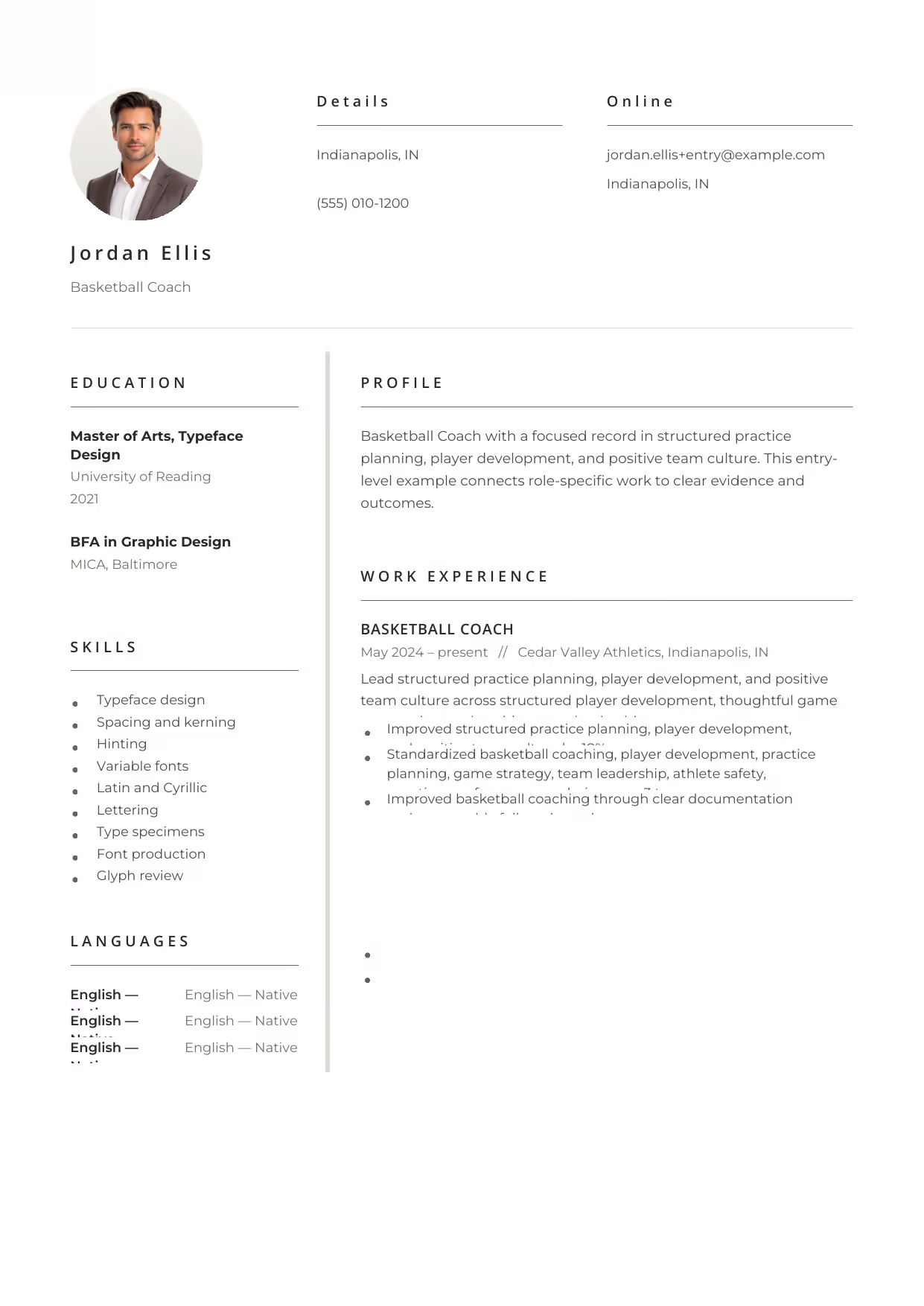
Basketball Coach
A builder-ready entry-level Basketball Coach example in the Pictor template, showing stage-appropriate evidence in a focused, editable resume format.
- Editable role positioning in the Pictor layout
- Role-specific evidence and delivery context
- Review the Pictor structure with a clean visual hierarchy
View this resume

Basketball Coach
A builder-ready entry-level Basketball Coach example in the Achernar template, showing stage-appropriate evidence in a focused, editable resume format.
- Editable role positioning in the Achernar layout
- Role-specific evidence and delivery context
- Review the Achernar structure with a clean visual hierarchy
View this resume
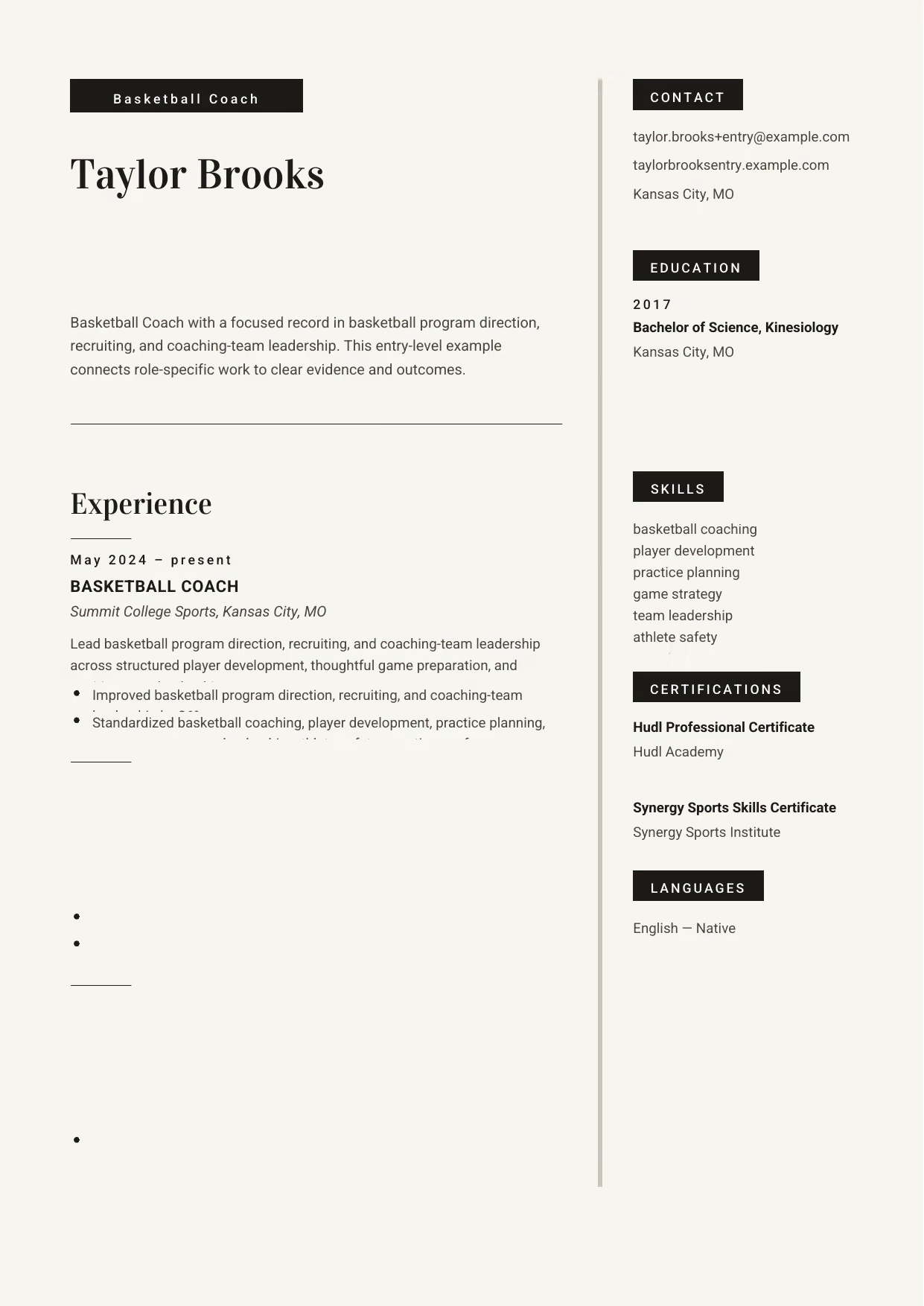
Basketball Coach
A builder-ready entry-level Basketball Coach example in the Aquila template, showing stage-appropriate evidence in a focused, editable resume format.
- Editable role positioning in the Aquila layout
- Role-specific evidence and delivery context
- Review the Aquila structure with a clean visual hierarchy
View this resume
Mid-Level Basketball Coach Resume (3-7 Years Experience)
Use these mid-level examples to compare the scope, evidence, and language expected for Basketball Coach roles at this stage.
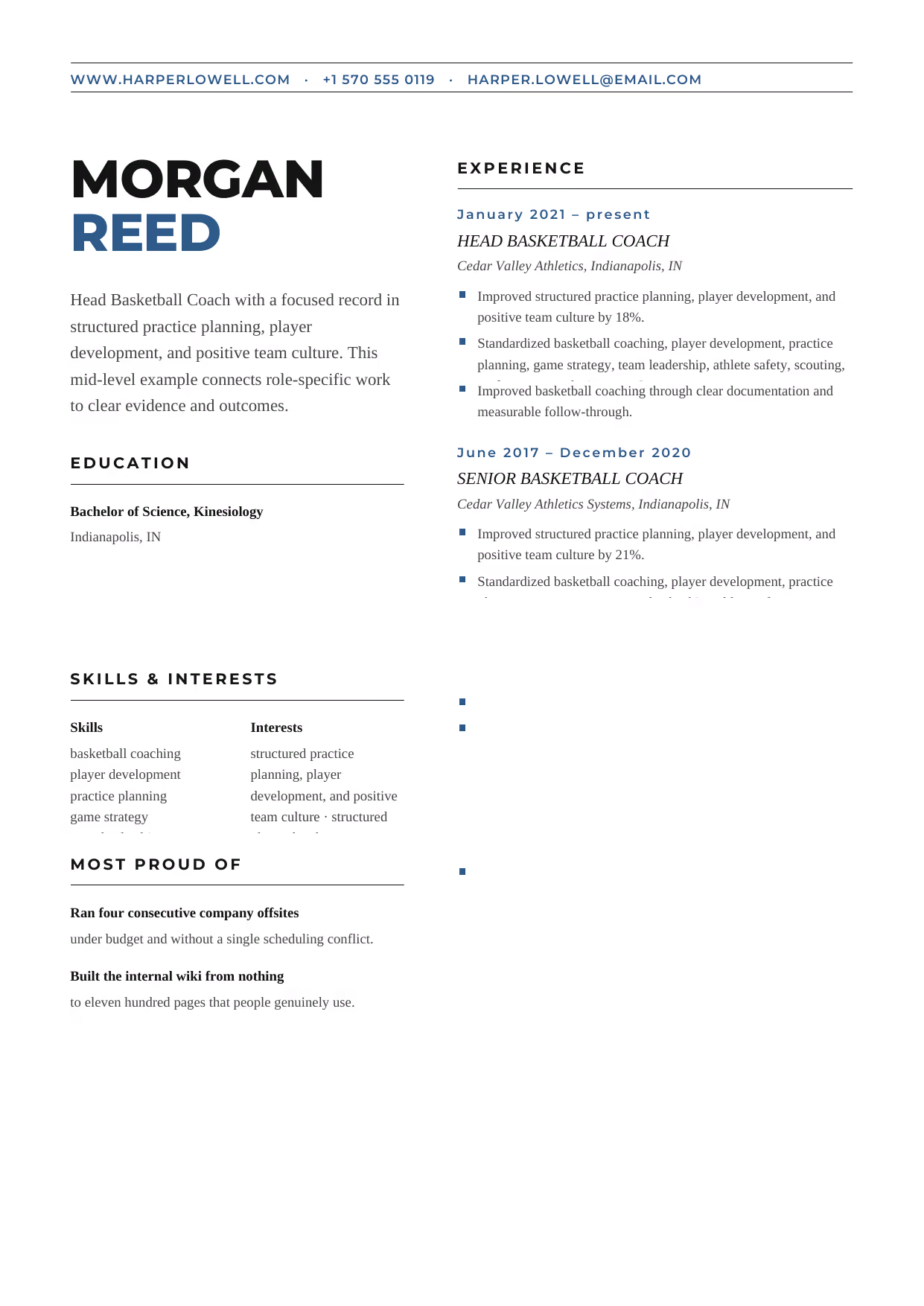
Head Basketball Coach
A builder-ready mid-level Basketball Coach example in the Bootes template, showing stage-appropriate evidence in a focused, editable resume format.
- Editable role positioning in the Bootes layout
- Role-specific evidence and delivery context
- Review the Bootes structure with a clean visual hierarchy
View this resume
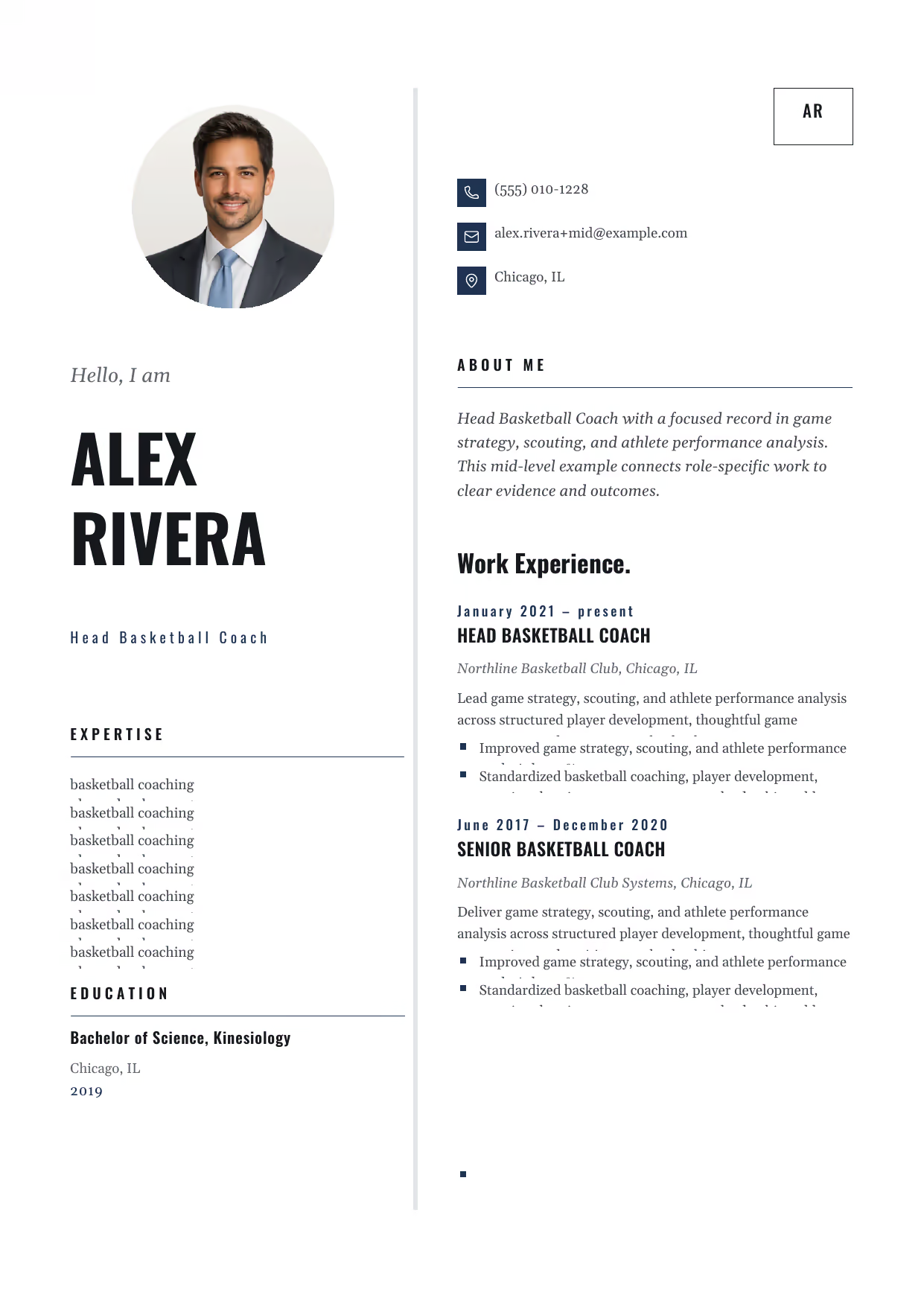
Head Basketball Coach
A builder-ready mid-level Basketball Coach example in the Equuleus template, showing stage-appropriate evidence in a focused, editable resume format.
- Editable role positioning in the Equuleus layout
- Role-specific evidence and delivery context
- Review the Equuleus structure with a clean visual hierarchy
View this resume

Head Basketball Coach
A builder-ready mid-level Basketball Coach example in the Eridanus template, showing stage-appropriate evidence in a focused, editable resume format.
- Editable role positioning in the Eridanus layout
- Role-specific evidence and delivery context
- Review the Eridanus structure with a clean visual hierarchy
View this resume
Senior Basketball Coach Resume (8+ Years / Management)
Use these advanced examples to compare the scope, evidence, and language expected for Basketball Coach roles at this stage.
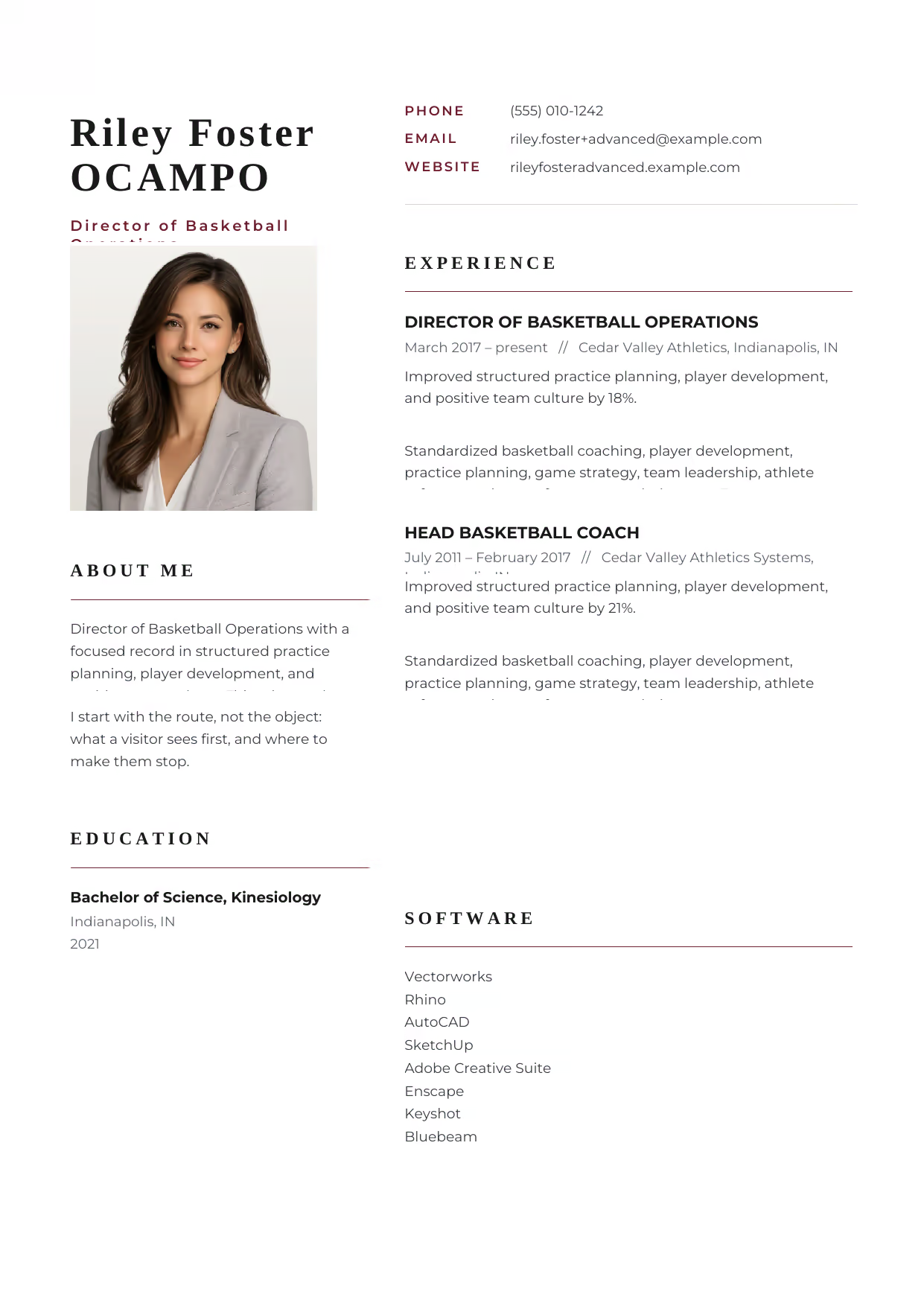
Director of Basketball Operations
A builder-ready advanced Basketball Coach example in the Hydra template, showing stage-appropriate evidence in a focused, editable resume format.
- Editable role positioning in the Hydra layout
- Role-specific evidence and delivery context
- Review the Hydra structure with a clean visual hierarchy
View this resume
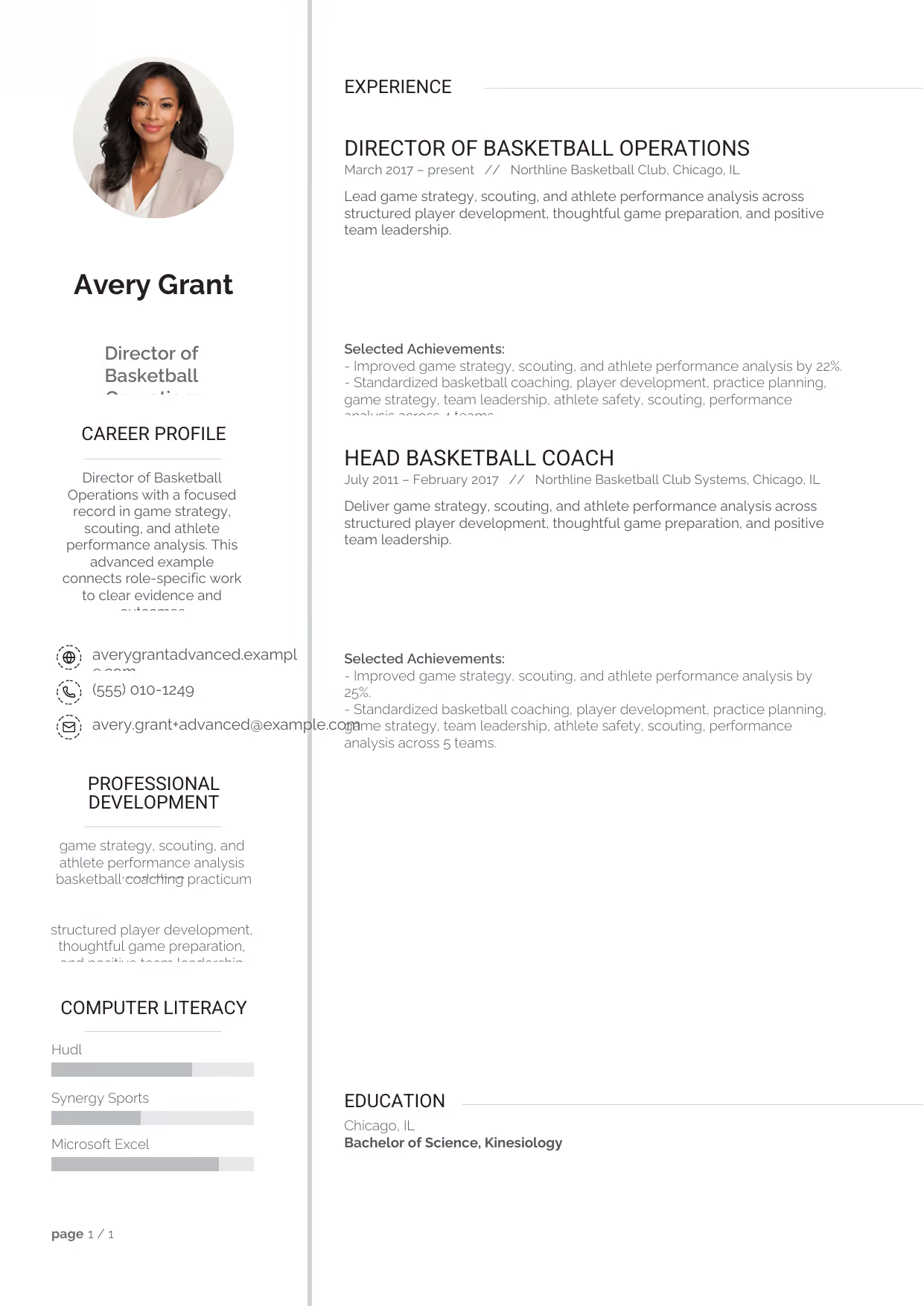
Director of Basketball Operations
A builder-ready advanced Basketball Coach example in the Synnove template, showing stage-appropriate evidence in a focused, editable resume format.
- Editable role positioning in the Synnove layout
- Role-specific evidence and delivery context
- Review the Synnove structure with a clean visual hierarchy
View this resume

Director of Basketball Operations
A builder-ready advanced Basketball Coach example in the Puppis template, showing stage-appropriate evidence in a focused, editable resume format.
- Editable role positioning in the Puppis layout
- Role-specific evidence and delivery context
- Review the Puppis structure with a clean visual hierarchy
View this resume
How to Write a Basketball Coach Resume
The Resume Summary
The resume summary is your opportunity to make a strong first impression. It should highlight your key skills, experience, and career goals in a concise and compelling manner. Use the following formula:
[Years of Experience] + [Job Title] + [Key Skills] + [Key Achievement] + [Career Goal]
Entry-Level Example:
Enthusiastic aspiring Basketball Coach with a strong foundation in sports management and a passion for player development. Eager to contribute to a dynamic team and utilize acquired knowledge to enhance player performance and team success.
Mid-Level Example:
Results-driven Basketball Coach with 5+ years of experience leading teams to success. Proven ability to develop effective game strategies, improve player performance, and foster a positive team environment. Seeking a challenging role where I can leverage my skills and experience to contribute to a winning program.
Senior-Level Example:
Highly accomplished and results-oriented Senior Basketball Coach with 10+ years of experience leading successful programs. Proven ability to develop and implement strategic plans, manage large budgets, and lead high-performing teams. Seeking a leadership role where I can leverage my expertise to drive organizational success and achieve ambitious goals.
Work Experience & Action Verbs
When describing your work experience, focus on achievements rather than just duties. Use strong action verbs to showcase your accomplishments and quantify your impact whenever possible.
- Before: Responsible for coaching youth basketball teams.
- After: Developed and implemented training programs that improved player performance by 15%.
- Before: Assisted in developing game strategies.
- After: Conducted game analysis and provided strategic recommendations that contributed to a 20% increase in team win percentage.
- Before: Mentored and motivated players.
- After: Fostered a positive team environment and promoted teamwork, resulting in improved player morale and team cohesion.
- Before: Managed team budget.
- After: Managed a team budget of $50,000, ensuring resources were allocated effectively and efficiently.
- Before: Oversaw the athletic program.
- After: Oversaw all aspects of the athletic program, implementing new initiatives that increased student participation by 25%.
Top Skills for Basketball Coachs
Here are some top skills that are highly valued by employers:
Hard Skills
- Game Analysis
- Player Evaluation
- Training Programs
- Budget Management
- Strategic Planning
Soft Skills
- Leadership
- Communication
- Motivation
- Teamwork
- Problem-Solving
Tools/Software
- Hudl
- Synergy Sports Technology
- FastScout
Education & Certifications
In the education section, list your degrees in reverse chronological order. For entry-level candidates, include relevant coursework. For mid-level and senior candidates, focus on advanced degrees and certifications.
Recommended certifications for Basketball Coaches include:
- Certified Basketball Coach
- National Coaching Certification Program (NCCP)
10 Common Basketball Coach Resume Mistakes
-
Generic Summary Statement:A vague summary that doesn’t highlight your specific skills or experience will fail to capture the recruiter’s attention. Tailor your summary to the specific job description, emphasizing your most relevant achievements and career goals. This will show the hiring manager that you understand their needs and are a strong fit for the role.
-
Listing Duties Instead of Impact:Recruiters know what a Basketball Coach does; they want to know how well you did it. Replace passive phrases like ‘Responsible for coaching’ with quantified wins like ‘Increased team win percentage by 22% YOY’.
-
Failing to Quantify Achievements:Without numbers, your accomplishments lack credibility. Use metrics to demonstrate the impact of your work, such as ‘Improved player performance by 15%‘ or ‘Increased team revenue by $20,000‘.
-
Ignoring Keywords:Applicant Tracking Systems (ATS) scan resumes for specific keywords related to the job description. Failing to include these keywords will result in your resume being overlooked. Review the job posting carefully and incorporate relevant keywords throughout your resume.
-
Poor Formatting:A poorly formatted resume is difficult to read and can create a negative impression. Use clear headings, bullet points, and white space to make your resume visually appealing and easy to scan. Choose a professional font and maintain consistent formatting throughout.
-
Grammar Errors and Typos:Typos in general are bad, but misspelling critical tools or certifications (like ‘Hudl’ or ‘NCCP’) acts as an immediate red flag regarding your attention to detail.
-
Irrelevant Information:Including irrelevant information, such as hobbies or unrelated work experience, can distract from your qualifications. Focus on the skills and experience that are directly relevant to the basketball coaching position.
-
Lack of Action Verbs:Using weak or passive verbs can make your accomplishments sound less impressive. Start your bullet points with strong action verbs, such as ‘Developed,’ ‘Implemented,’ or ‘Led,’ to showcase your skills and experience effectively.
-
Inconsistent Tense:Inconsistent tense can make your resume appear unprofessional and careless. Use past tense to describe previous roles and present tense to describe your current role. Ensure that your tense is consistent throughout your resume.
-
Not Tailoring to the Job:Sending the same generic resume to every job posting is a common mistake. Tailor your resume to each position, highlighting the skills and experience that align with the specific requirements of the job. This will show the hiring manager that you are genuinely interested in the role and are a strong fit for their team.
Frequently Asked Questions (Basketball Coach)
Crafting a compelling basketball coach resume requires careful attention to detail and a strategic approach. By following the examples and tips in this guide, you can create a resume that showcases your skills, experience, and passion for the game.
To improve your chances of landing your dream coaching job, Search more Basketball Coach resources on our site.



Keep Exploring! There’s More to Discover:
