
Art Handler Resume Examples
Art Handler Resume Examples & Guide
Landing an art handler position can be challenging. Applicant Tracking Systems (ATS) filter out many applications, and you’ll face fierce competition. This guide provides art handler resume examples for every experience level, showcasing how to highlight your skills and experience effectively.
- Quantify Achievements: Use numbers to demonstrate the impact of your work, such as the value of art handled or the efficiency improvements you implemented.
- Highlight Relevant Skills: Emphasize skills like art handling techniques, packing and crating, climate control knowledge, and inventory management.
- Tailor to Job Description: Customize your resume for each application, focusing on the specific requirements and keywords mentioned in the job posting.
- Optimize for ATS: Use clear formatting and avoid graphics or tables that can confuse ATS software.
- Use Action Verbs: Start your bullet points with strong action verbs to showcase your accomplishments.
- Showcase Problem-Solving: Detail instances where you overcame challenges in handling or transporting art.
Let’s explore some art handler resume examples to help you craft a winning application.
Explore editable Art Handler resume examples by career stage. Each sample opens in the RockStarCV builder so you can study the structure and make your own version.
Entry-Level Art Handler Resume (0-2 Years Experience)
Use these entry-level examples to compare the scope, evidence, and language expected for Art Handler roles at this stage.
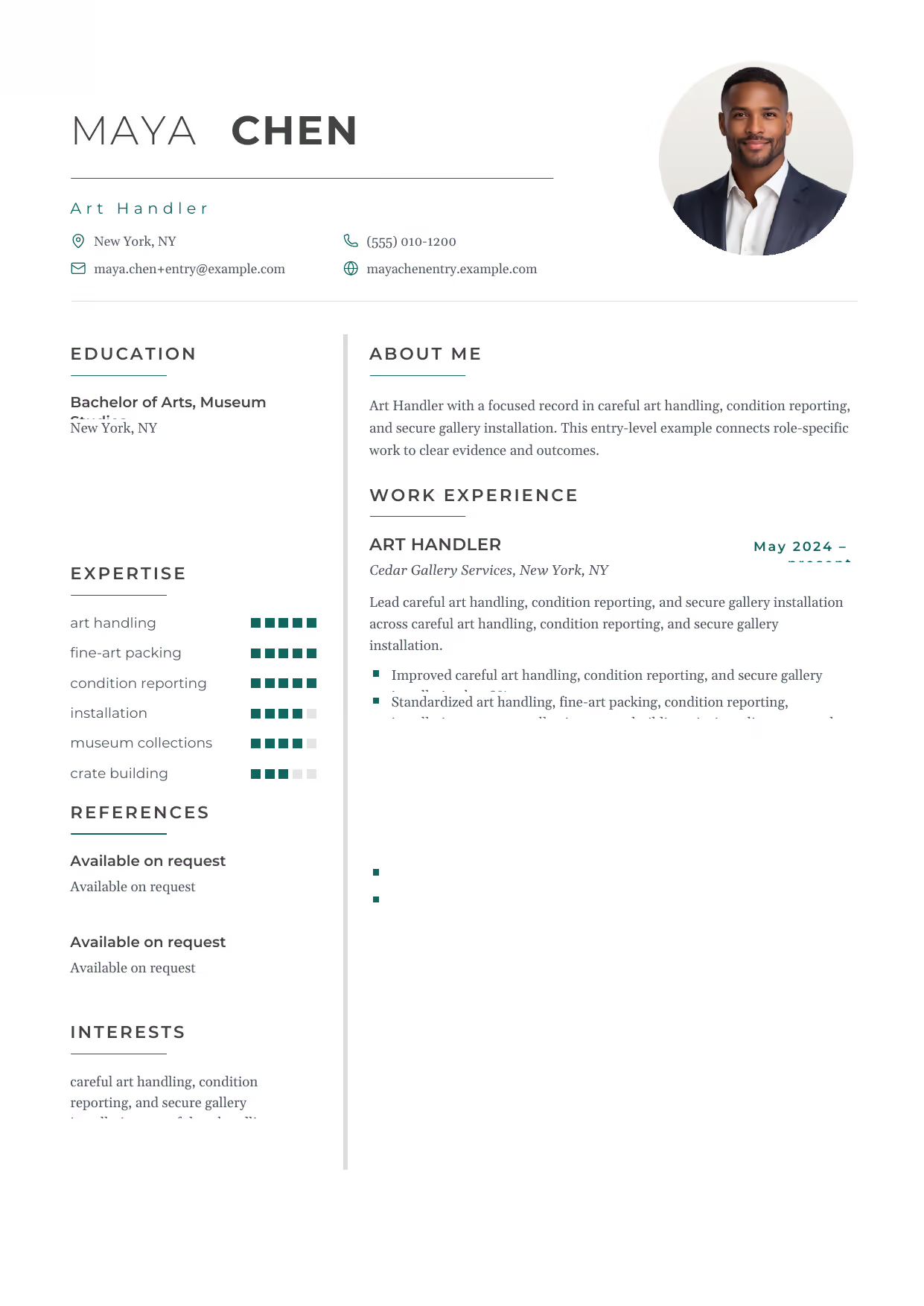
Art Handler
A builder-ready entry-level Art Handler example in the Achernar template, showing stage-appropriate evidence in a focused, editable resume format.
- Editable role positioning in the Achernar layout
- Role-specific evidence and delivery context
- Review the Achernar structure with a clean visual hierarchy
View this resume
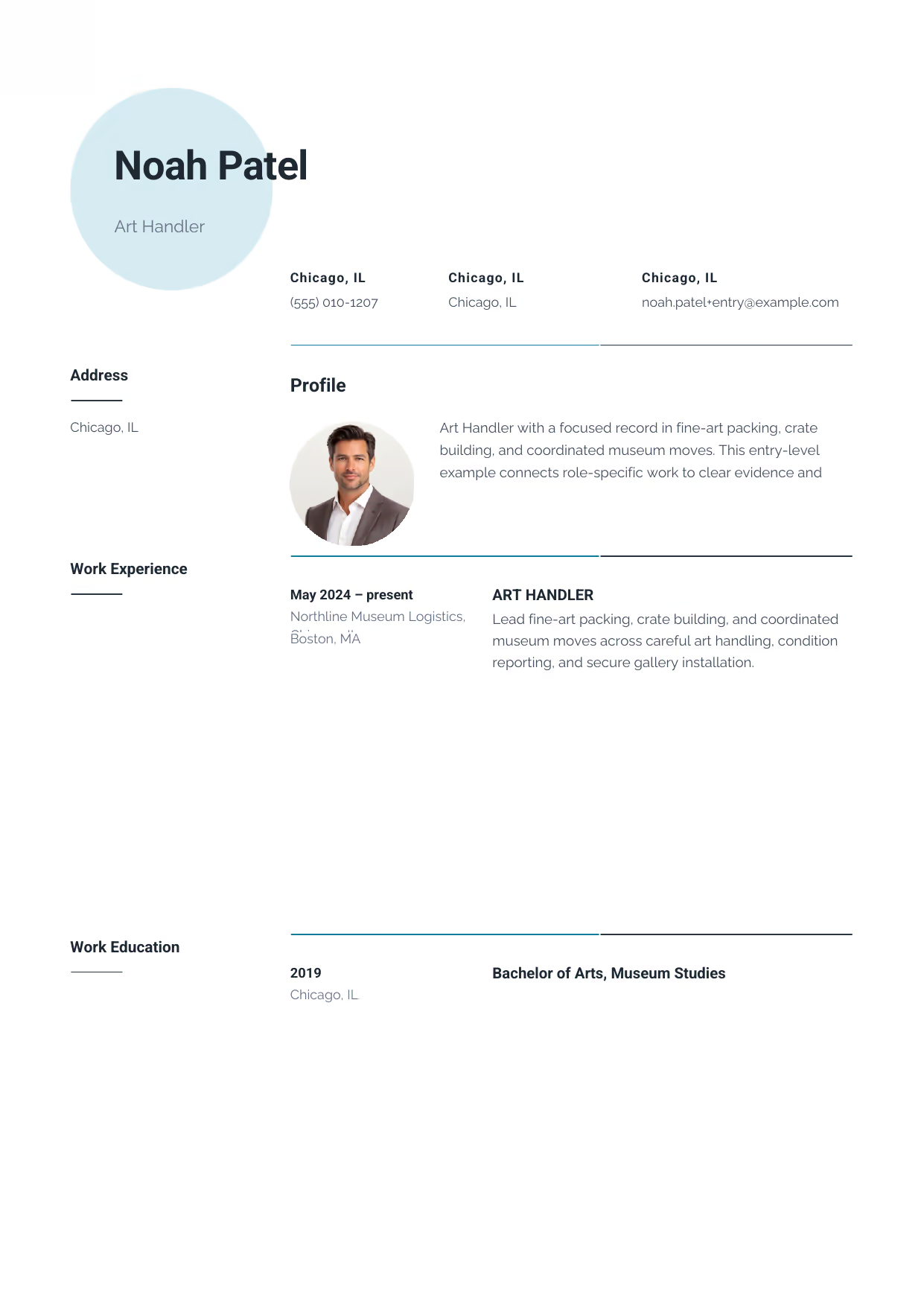
Art Handler
A builder-ready entry-level Art Handler example in the Pavo template, showing stage-appropriate evidence in a focused, editable resume format.
- Editable role positioning in the Pavo layout
- Role-specific evidence and delivery context
- Review the Pavo structure with a clean visual hierarchy
View this resume
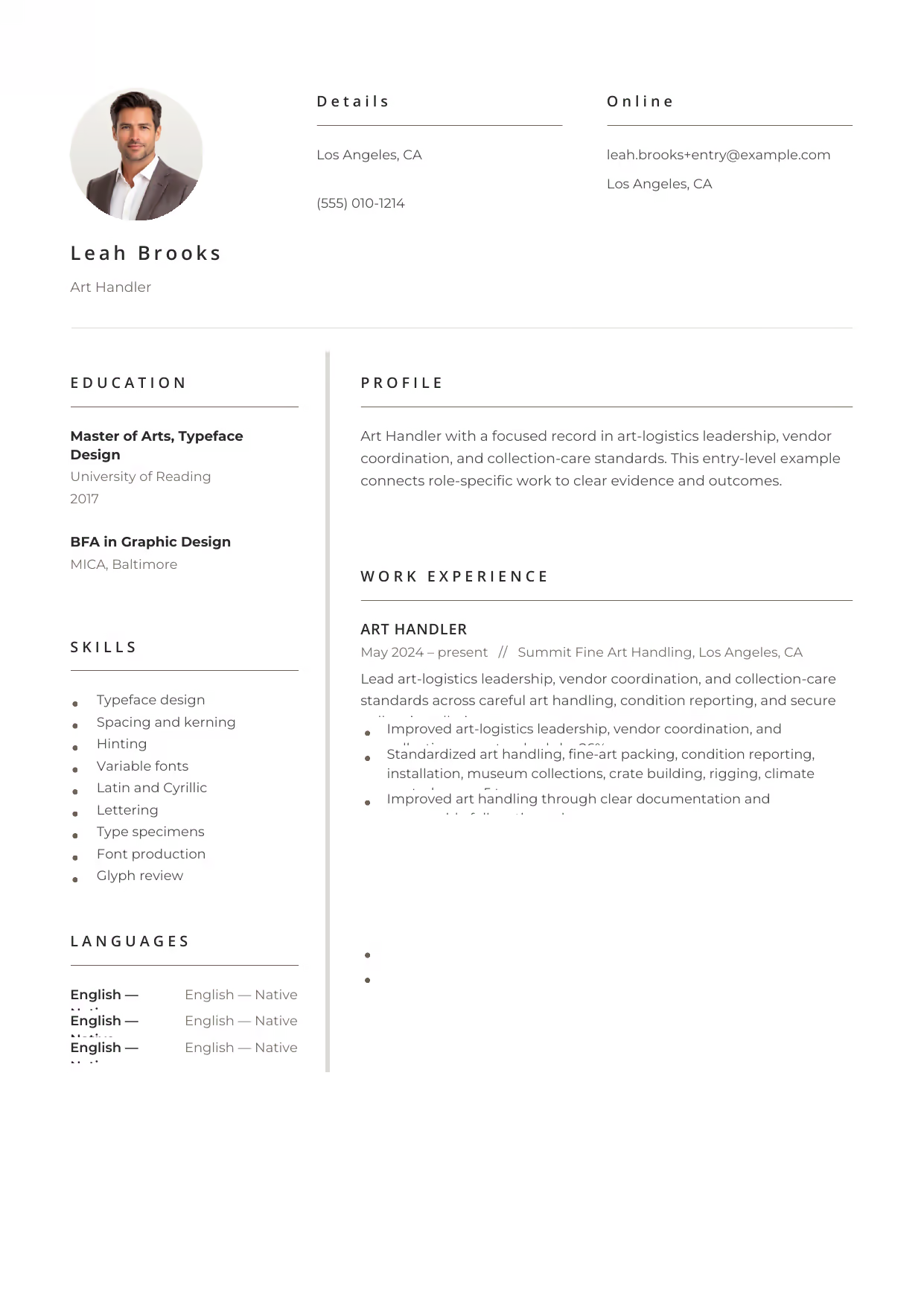
Art Handler
A builder-ready entry-level Art Handler example in the Pictor template, showing stage-appropriate evidence in a focused, editable resume format.
- Editable role positioning in the Pictor layout
- Role-specific evidence and delivery context
- Review the Pictor structure with a clean visual hierarchy
View this resume
Mid-Level Art Handler Resume (3-7 Years Experience)
Use these mid-level examples to compare the scope, evidence, and language expected for Art Handler roles at this stage.
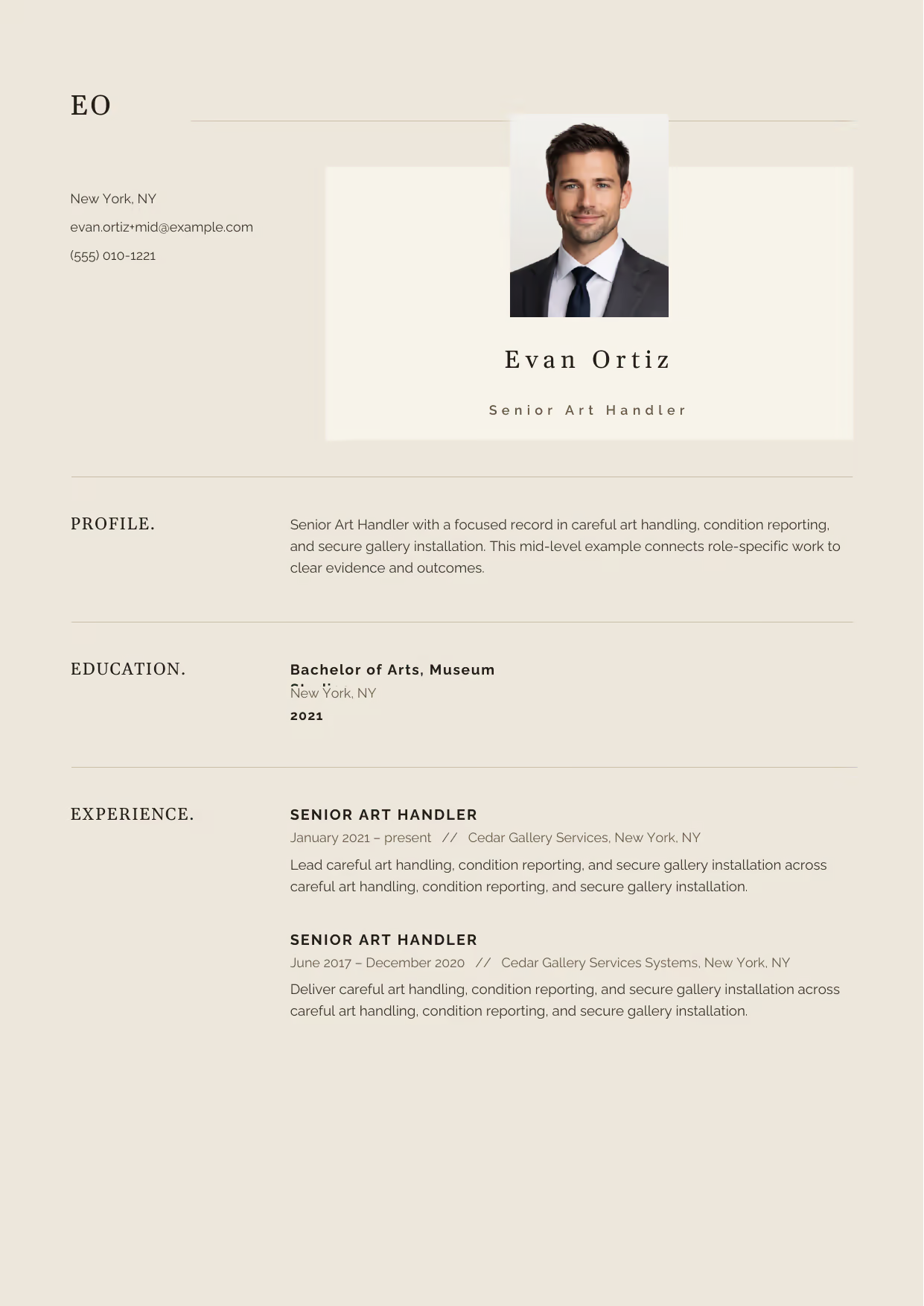
Senior Art Handler
A builder-ready mid-level Art Handler example in the Norma template, showing stage-appropriate evidence in a focused, editable resume format.
- Editable role positioning in the Norma layout
- Role-specific evidence and delivery context
- Review the Norma structure with a clean visual hierarchy
View this resume
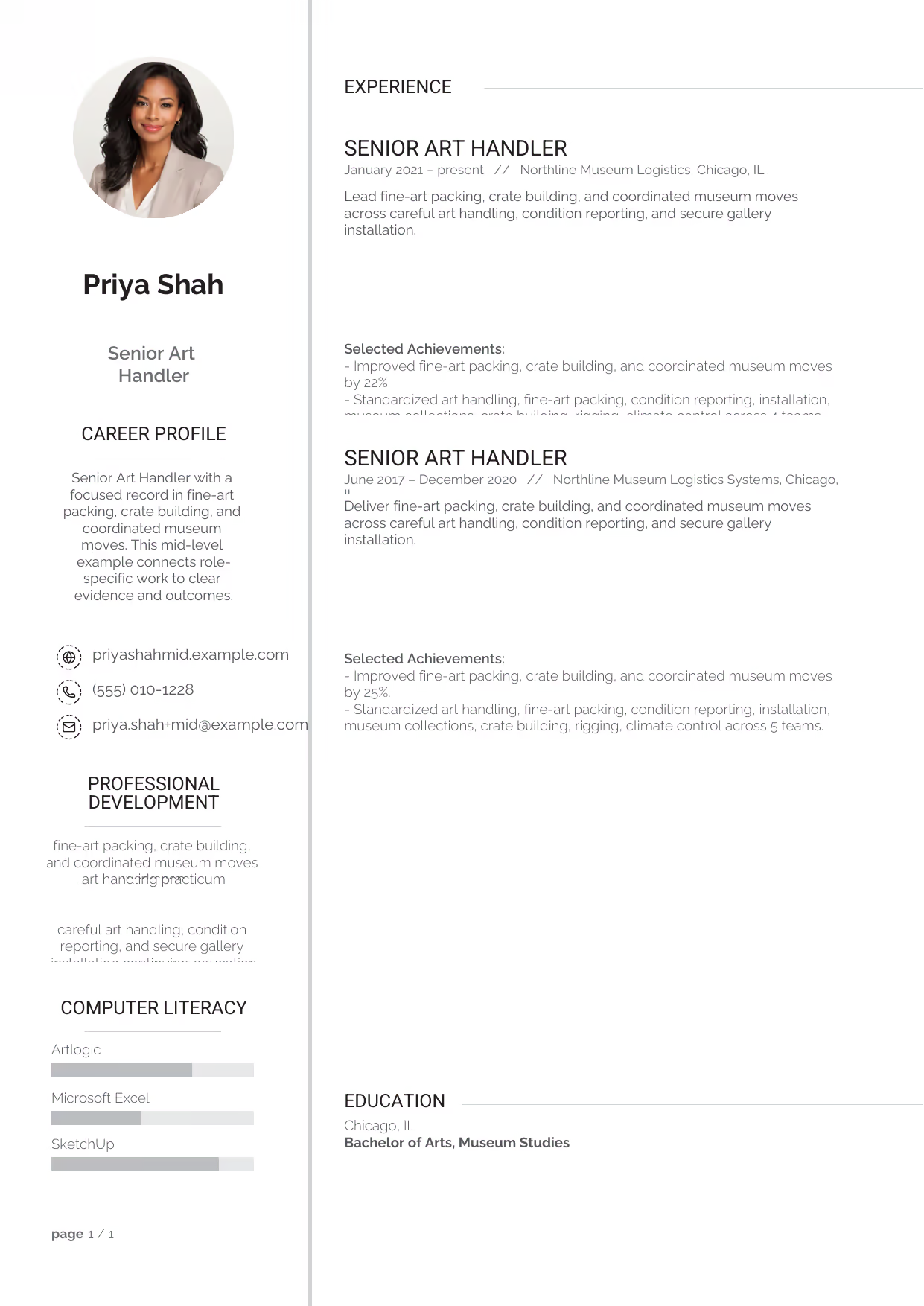
Senior Art Handler
A builder-ready mid-level Art Handler example in the Synnove template, showing stage-appropriate evidence in a focused, editable resume format.
- Editable role positioning in the Synnove layout
- Role-specific evidence and delivery context
- Review the Synnove structure with a clean visual hierarchy
View this resume
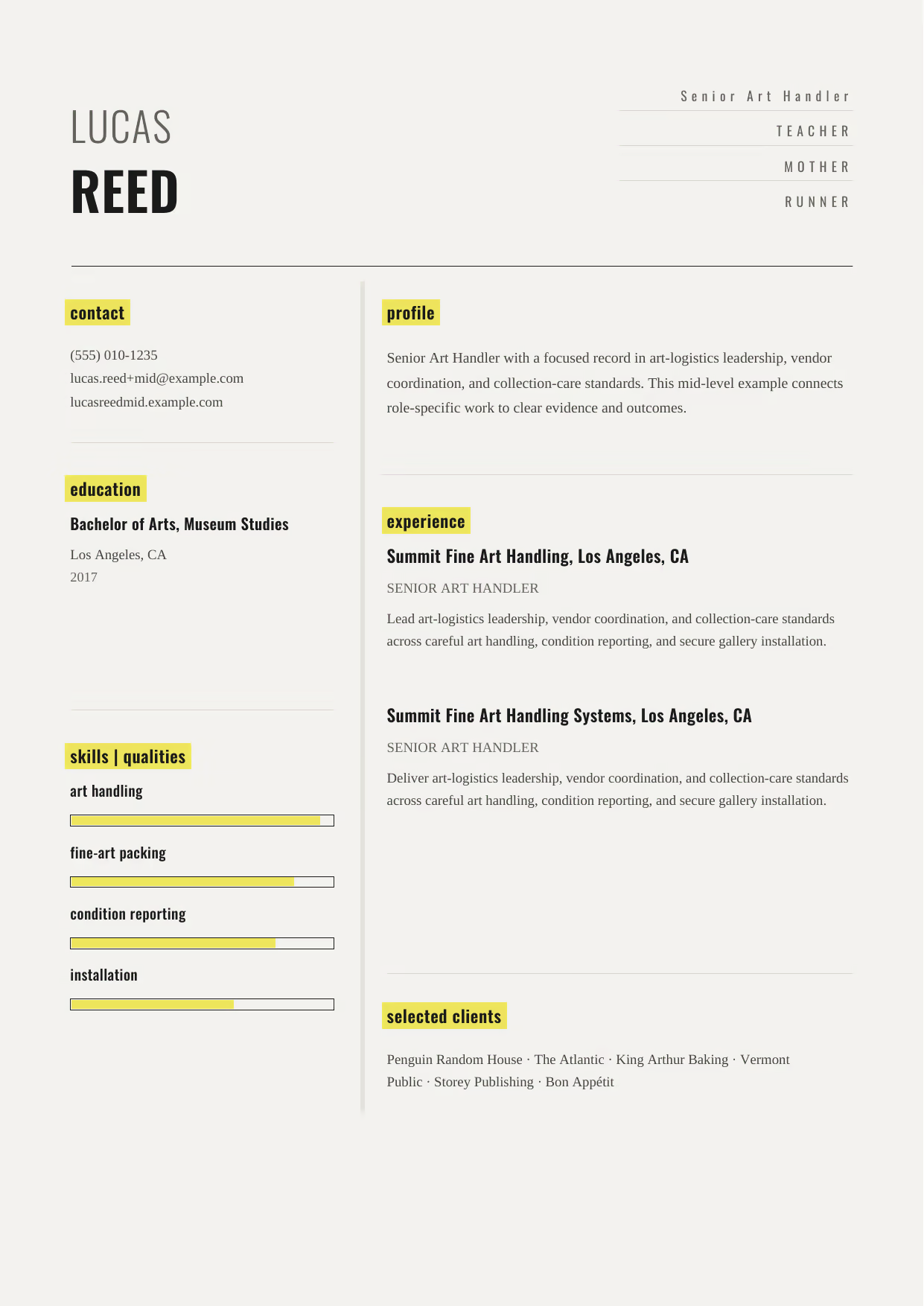
Senior Art Handler
A builder-ready mid-level Art Handler example in the Dorado template, showing stage-appropriate evidence in a focused, editable resume format.
- Editable role positioning in the Dorado layout
- Role-specific evidence and delivery context
- Review the Dorado structure with a clean visual hierarchy
View this resume
Senior Art Handler Resume (8+ Years / Management)
Use these advanced examples to compare the scope, evidence, and language expected for Art Handler roles at this stage.
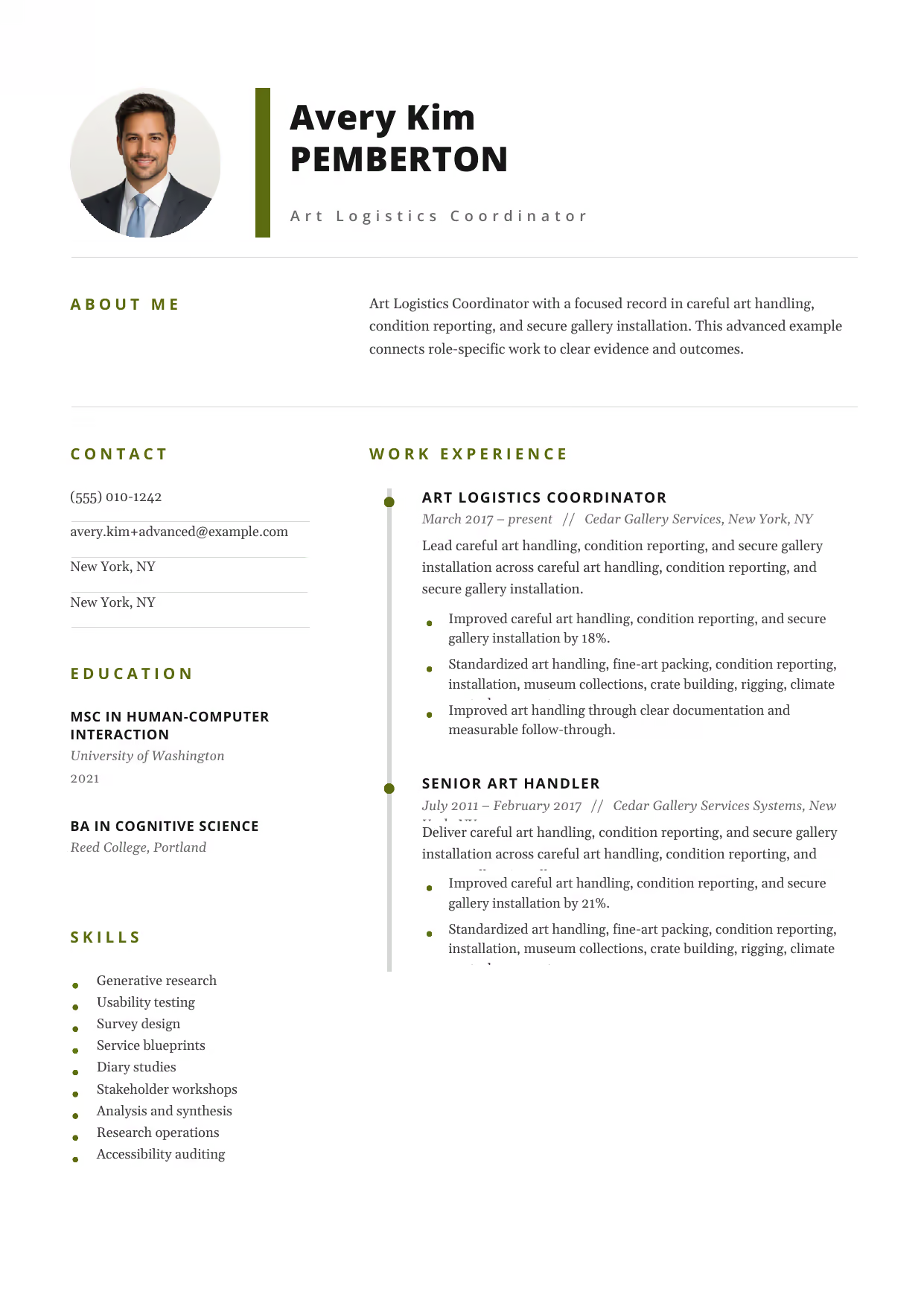
Art Logistics Coordinator
A builder-ready advanced Art Handler example in the Pegasus template, showing stage-appropriate evidence in a focused, editable resume format.
- Editable role positioning in the Pegasus layout
- Role-specific evidence and delivery context
- Review the Pegasus structure with a clean visual hierarchy
View this resume
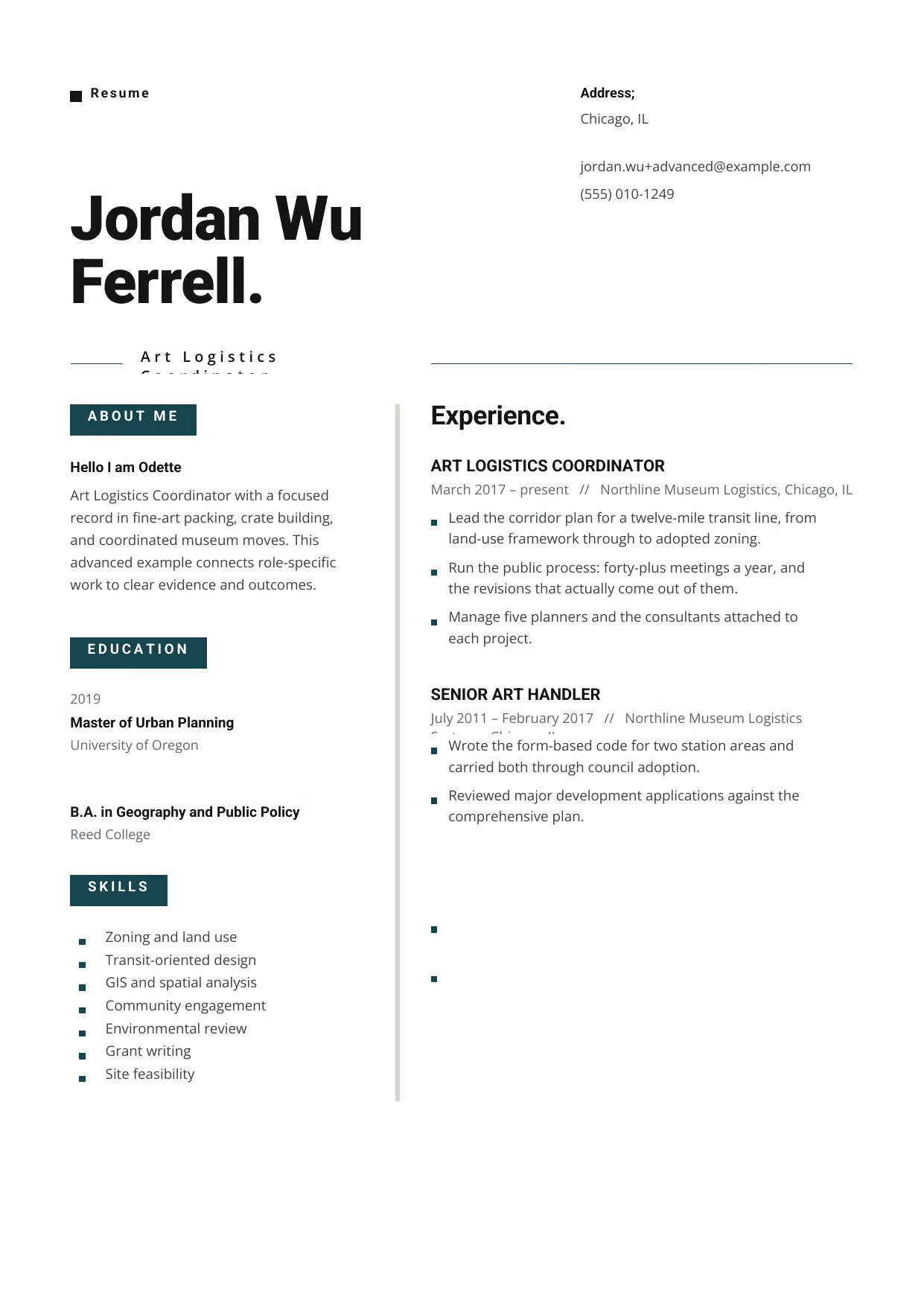
Art Logistics Coordinator
A builder-ready advanced Art Handler example in the Indus template, showing stage-appropriate evidence in a focused, editable resume format.
- Editable role positioning in the Indus layout
- Role-specific evidence and delivery context
- Review the Indus structure with a clean visual hierarchy
View this resume
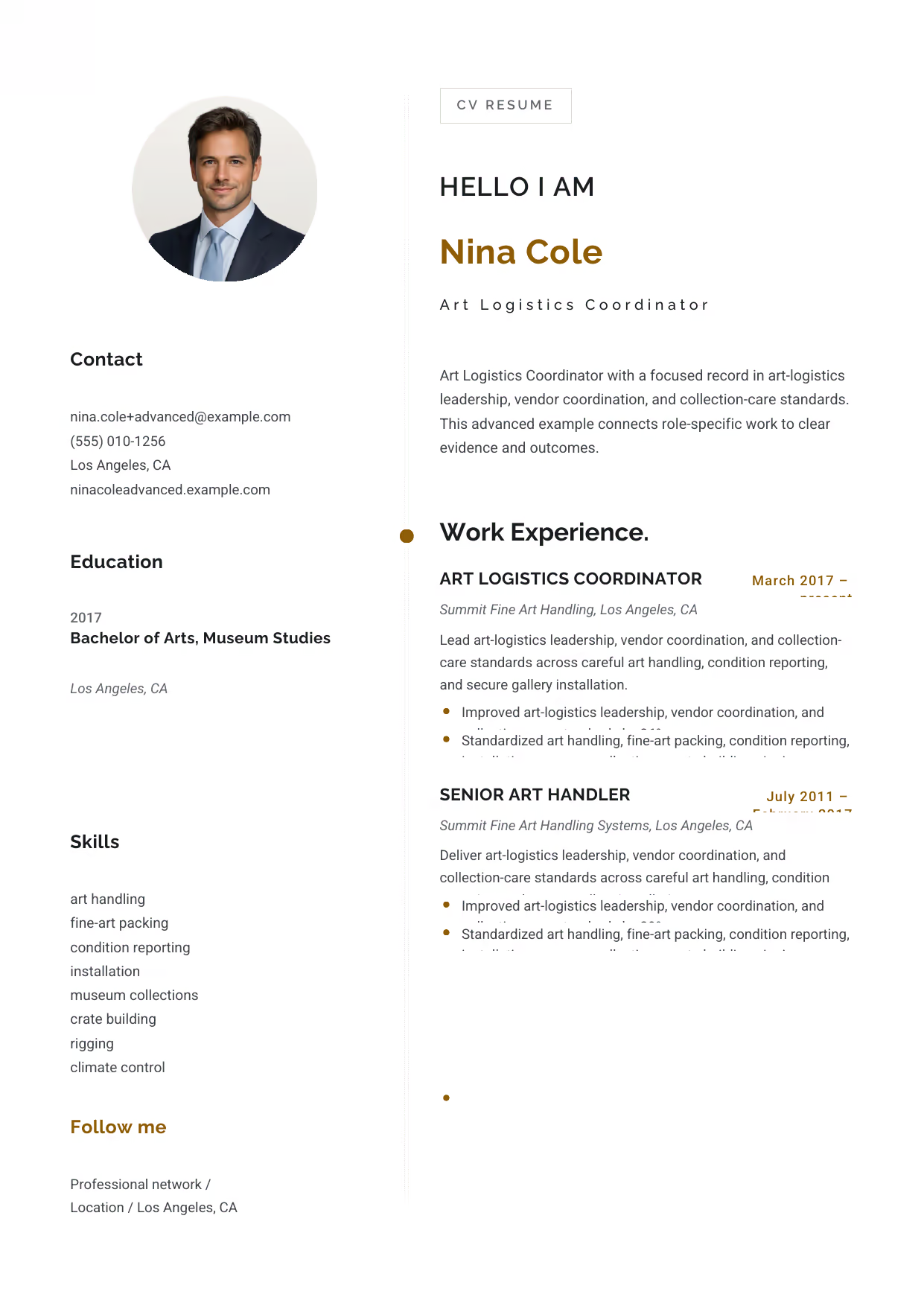
Art Logistics Coordinator
A builder-ready advanced Art Handler example in the Eridanus template, showing stage-appropriate evidence in a focused, editable resume format.
- Editable role positioning in the Eridanus layout
- Role-specific evidence and delivery context
- Review the Eridanus structure with a clean visual hierarchy
View this resume
How to Write a Art Handler Resume
The Resume Summary
The resume summary is your first chance to make a strong impression. It should be a concise overview of your skills, experience, and career goals.
Formula: [Years of Experience] + [Job Title] + [Key Skills] + [Key Achievement or Goal]
Example (Entry-Level): Recent Art History graduate seeking an entry-level Art Handler position to utilize my knowledge of art preservation and handling techniques.
Example (Mid-Level): Experienced Art Handler with 5+ years of experience in handling, packing, and installing artwork for museums, galleries, and private collectors, reducing damage by 15% through improved packing techniques.
Example (Senior): Certified Art Handler with 10+ years of experience managing art handling operations for museums, leading teams, and overseeing budgets of $500,000+.
Work Experience & Action Verbs
The work experience section is where you showcase your accomplishments and demonstrate your value to potential employers. Focus on achievements rather than just listing duties.
Instead of just listing your responsibilities, use action verbs to highlight your accomplishments and quantify your results whenever possible.
- Before: Responsible for packing artwork. After: Developed and implemented improved packing techniques, reducing damage during transit by 15%.
- Before: Assisted with the installation of exhibitions. After: Collaborated with curators to install over 20 exhibitions annually, ensuring proper placement and security of artwork.
- Before: Conducted condition reports on artwork. After: Performed detailed condition reports on over 500 artworks, documenting any existing damage or deterioration.
- Before: Maintained inventory records. After: Maintained accurate inventory records for over 1,000 artworks, tracking their movement and location.
- Before: Assisted with the transportation of artwork. After: Coordinated the safe and secure transportation of artwork, ensuring timely delivery and minimizing the risk of damage.
Top Skills for Art Handlers
Here are some of the top skills that art handlers should include on their resumes:
- Hard Skills:
- Art Handling Techniques
- Packing and Crating
- Installation and Deinstallation
- Condition Reporting
- Inventory Management
- Climate Control
- Forklift Operation
- Soft Skills:
- Attention to Detail
- Communication Skills
- Problem-Solving Skills
- Teamwork
- Time Management
- Physical Stamina
- Tools/Software:
- Microsoft Office Suite
- Inventory Management Software
- Climate Control Systems
- Forklifts
- Cranes
Education & Certifications
The education section should list your degrees, certifications, and relevant coursework. If you have limited experience, highlight your academic achievements and relevant skills.
For entry-level candidates, list your degree, major, and any relevant coursework. For mid-level and senior candidates, focus on certifications and professional development.
Here are some required or recommended certifications for art handlers:
- Certified Art Handler (CAH)
- Forklift Certification
- OSHA Safety Training
10 Common Art Handler Resume Mistakes
-
Generic Objective Statements:Starting with a vague objective like “Seeking a challenging position” fails to grab attention. Instead, customize your objective to reflect the specific role and company, showcasing your unique value proposition. This shows recruiters you’ve researched the company and are genuinely interested.
-
Listing Duties Instead of Impact:Recruiters know what a Art Handler does; they want to know how well you did it. Replace passive phrases like ‘Responsible for sales’ with quantified wins like ‘Increased territory revenue by 22% YOY’. This demonstrates your tangible contributions and makes your resume stand out.
-
Ignoring the Job Description:Failing to tailor your resume to the specific requirements of the job description is a major mistake. Applicant Tracking Systems (ATS) scan for keywords, and if you don’t include them, your resume may be automatically rejected. Carefully analyze the job description and incorporate relevant skills, experience, and keywords into your resume.
-
Poor Formatting and Typos:A poorly formatted resume with typos and grammatical errors can make you appear unprofessional and careless. Recruiters may assume that if you can’t pay attention to detail on your resume, you won’t pay attention to detail on the job. Proofread your resume carefully and use a clean, professional format.
-
Omitting Relevant Skills:Failing to include relevant skills, such as art handling techniques, packing and crating, condition reporting, and inventory management, can make your resume seem incomplete. Review the job description and identify the key skills required for the position. Then, make sure to highlight those skills on your resume.
-
Not Quantifying Achievements:Failing to quantify your achievements makes it difficult for recruiters to assess your impact. Instead of saying “Improved packing techniques,” say “Developed and implemented improved packing techniques, reducing damage during transit by 15%.” Quantifiable achievements provide concrete evidence of your skills and accomplishments.
-
Using a Generic Resume Template:Using a generic resume template can make your resume look bland and uninspired. Instead, choose a template that is clean, professional, and tailored to the art handling industry. Consider using a template that highlights your skills and achievements effectively.
-
Lack of Action Verbs:Resumes filled with passive phrases like “Responsible for…” lack impact. Start each bullet point with a strong action verb (e.g., “Managed,” “Developed,” “Implemented”) to showcase your accomplishments dynamically. This makes your resume more engaging and demonstrates your proactive approach.
-
Ignoring ATS Optimization:Many companies use Applicant Tracking Systems (ATS) to screen resumes. Failing to optimize your resume for ATS can result in it being automatically rejected. Use clear formatting, avoid graphics and tables, and incorporate relevant keywords to ensure that your resume is ATS-friendly.
-
Misspelling Core Industry Terminology:Typos in general are bad, but misspelling critical tools or certifications acts as an immediate red flag regarding your attention to detail. This signals to recruiters that you may lack knowledge of the field and are not serious about your application.
Frequently Asked Questions (Art Handler)
Crafting an effective art handler resume requires careful attention to detail and a strategic approach. By following the tips and examples in this guide, you can create a resume that showcases your skills, experience, and qualifications, and helps you land your dream job.
To find even more resources and templates, Search more Art Handler resources on our site!



Keep Exploring! There’s More to Discover:
