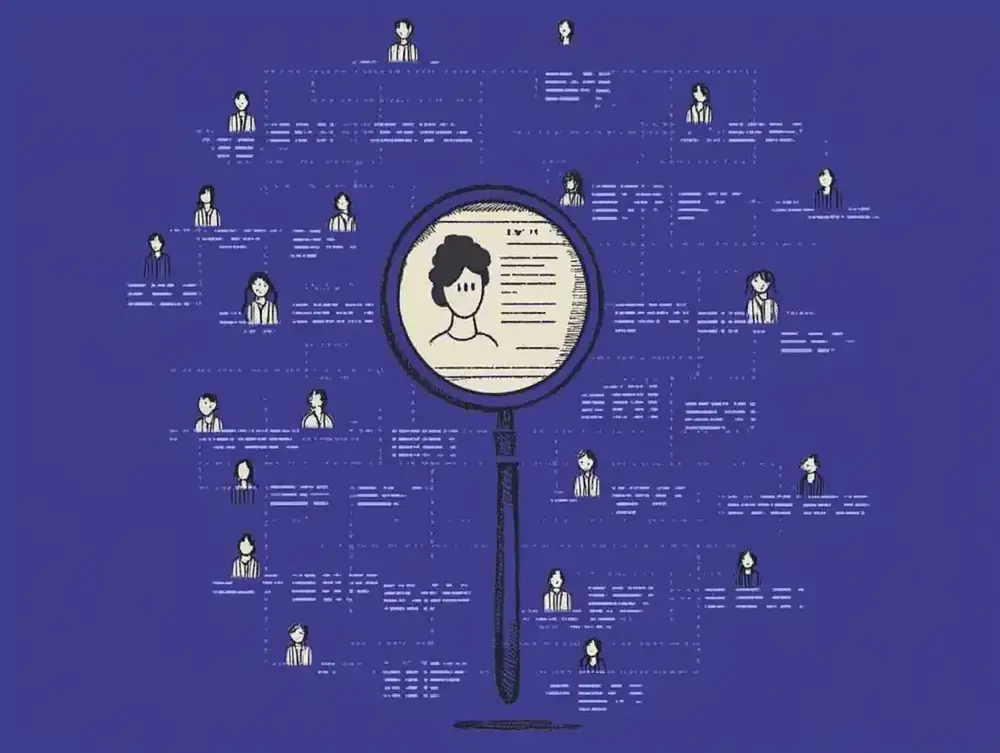
In the bustling world of job hunting, one may tend to focus predominantly on technical abilities, often overlooking the importance of soft skills in the hiring process. However, these non-technical abilities, such as communication, problem-solving, and leadership, can significantly influence a candidate’s success. As businesses evolve, more employers are prioritizing these skills, understanding that they play a critical role in shaping a collaborative and effective workforce.
But how can job seekers identify these sought-after soft skills? The answer lies in the job description – a treasure trove of information, which, when analyzed carefully, can provide valuable insights into the skills employers value the most. This practice not only empowers candidates with the knowledge of what is expected but also equips them to tailor their applications and interview responses more effectively.
Why is this analysis so crucial? The current job market is highly competitive. With a plethora of qualified candidates vying for the same role, standing out becomes increasingly challenging. Understanding the soft skills required for a particular job can provide a competitive edge, showcasing the applicant as a well-rounded, adaptable individual who can thrive in diverse work environments.
This article aims to guide you through the process of dissecting job descriptions, highlighting the soft skills employers are looking for, and how to present yourself as the ideal candidate who possesses these skills. Whether you’re a recent graduate entering the workforce or an experienced professional seeking a career shift, this guide can help you navigate the job market more effectively.
Understanding the Importance of Soft Skills in the Job Market
In today’s competitive job landscape, technical expertise alone is no longer sufficient to ensure career success. Employers are increasingly prioritizing soft skills—those intangible qualities that contribute to a candidate’s ability to communicate, collaborate, and adapt within a team. This evolution in hiring practices underscores the necessity for job seekers to be well-versed in these essential skills, enabling them to not only fit within an organization but also thrive and contribute to its growth.
Soft skills encompass a broad spectrum of attributes, including emotional intelligence, problem-solving abilities, and effective communication. These competencies are often the differentiating factors between candidates who may have similar educational backgrounds and technical skills. For instance, a candidate with excellent interpersonal skills may be more appealing to a hiring manager than one with purely technical qualifications, particularly in roles that require teamwork and customer interaction.
Moreover, the rising trend of remote work has amplified the importance of soft skills. As teams become more dispersed, the ability to communicate clearly and work collaboratively across digital platforms becomes crucial. Employers now seek individuals who can navigate virtual environments, demonstrating flexibility and empathy in their interactions. According to a study by LinkedIn, 92% of talent professionals believe that soft skills are just as important, if not more so, than hard skills.
The focus on soft skills is not merely a passing trend; it reflects a fundamental shift in how organizations assess talent. Companies are beginning to recognize that a well-rounded employee can enhance workplace culture, drive innovation, and ultimately lead to improved business outcomes. For example, teams with high emotional intelligence tend to perform better, as members are more adept at managing stress, resolving conflicts, and maintaining morale during challenging times.
In light of these insights, analyzing job descriptions becomes critical for candidates aiming to understand the soft skills that potential employers value. By carefully reviewing the language used in job postings, candidates can identify the specific competencies that employers are seeking, allowing them to tailor their applications and interviews effectively. This strategic approach not only boosts a candidate’s chances of securing a position but also sets the stage for long-term career success.
In summary, the growing emphasis on soft skills in the job market highlights their significance in today’s workplace dynamics. As candidates take the time to analyze job descriptions, they gain valuable insights into the skills that will set them apart. Embracing and developing these competencies is essential for anyone looking to advance their career and make a meaningful impact in their chosen field.
Unveiling the Hidden Gems: A Step-by-Step Approach to Identifying Essential Soft Skills
In today’s competitive job market, the significance of soft skills is often overshadowed by technical abilities and qualifications. However, understanding and identifying these crucial interpersonal traits can be the key to unlocking a candidate’s potential. Soft skills—such as communication, teamwork, adaptability, and problem-solving—are often the differentiators between good and great employees. They enhance workplace dynamics and foster a culture of collaboration, making them indispensable across various industries.
This guide provides a systematic approach to analyzing job descriptions, enabling you to extract and understand the soft skills that are most sought after by employers. By focusing on these elements, job seekers can tailor their applications to highlight relevant experiences, while employers can refine their hiring processes to better assess candidates’ interpersonal competencies.
Let’s delve into the step-by-step process that will empower you to dissect job descriptions effectively and identify the soft skills that truly matter.
Step 1: Read Between the Lines
Begin by thoroughly reading the job description. Pay close attention not just to the required qualifications but also to the language used in the responsibilities section. Phrases such as “ability to work in a team” or “excellent communication skills” may seem commonplace but are significant indicators of the soft skills the employer values.
Step 2: Highlight Key Phrases
As you analyze the description, underline or highlight key phrases that refer to interpersonal capabilities. This could include terms like “collaborative,” “adaptive,” “customer-focused,” or “critical thinker.” Make a note of these as they will form the basis for your understanding of the soft skills necessary for the role.
Step 3: Compare Similar Roles
To gain deeper insights, compare the job description with similar positions in the same field. This will help you identify common soft skills that are frequently mentioned across various descriptions. By spotting trends, you can better gauge which soft skills are considered essential within that industry.
Step 4: Research Company Culture
Understanding the company’s culture can provide additional context for the required soft skills. Look for values and mission statements on the company’s website or social media pages. If a company emphasizes innovation, for instance, skills like creativity and flexibility may be particularly important.
Step 5: Engage with Current Employees
Whenever possible, connect with current employees through platforms like LinkedIn. Engaging in conversations can yield valuable insights into the soft skills that are truly valued in the workplace. Ask about the qualities that make someone successful in their position or what traits they believe contribute to a positive work environment.
Step 6: Reflect on Personal Experiences
Finally, reflect on your own experiences and how they align with the identified soft skills. Think about situations in which you demonstrated these skills—whether through teamwork, leadership, or conflict resolution. This reflection will not only prepare you for potential interviews but also help you articulate your value effectively in your application.
By following these steps, you can skillfully analyze job descriptions to uncover the soft skills that employers prioritize. This proactive approach will enable you to position yourself as a desirable candidate, equipped with the interpersonal competencies that align with organizational needs.
Identifying Common Pitfalls in Job Description Analysis
When diving into the world of job descriptions, it’s easy to feel overwhelmed by the myriad of skills and qualifications demanded by employers. While hard skills like technical proficiency are often straightforward, soft skills can be nebulous and frequently misinterpreted. Understanding these subtleties is crucial. However, many candidates and even hiring managers fall prey to common pitfalls that can cloud their judgment and lead to missed opportunities.
One of the most frequent mistakes is overlooking the context in which soft skills are described. For instance, a job posting may list “excellent communication skills” as a requirement, but without understanding the specific environment—be it a collaborative team setting or a client-facing role—candidates may misjudge their suitability. This lack of context can lead to candidates either overselling their abilities or undervaluing their strengths.
Another pitfall involves the tendency to equate soft skills with personality traits. While traits like friendliness or enthusiasm are valuable, they do not encompass the full range of soft skills that employers seek. Skills such as adaptability, emotional intelligence, or problem-solving abilities are often more indicative of a candidate’s potential to thrive in a dynamic work environment. By focusing solely on personality, candidates may neglect to highlight these critical competencies in their applications.
Additionally, applicants often fail to tailor their resumes and cover letters to reflect the specific soft skills mentioned in the job description. Generic applications can lead to missed chances, as they do not demonstrate an understanding of the role’s unique demands. Customizing your application to mirror the soft skills highlighted in the job posting shows potential employers that you not only understand the requirements but also embody them.
Another common oversight is ignoring the significance of soft skills that are implied rather than explicitly stated. For instance, a job description that emphasizes “working under pressure” indirectly calls for skills like time management and resilience. Failing to recognize these underlying requirements can lead to an incomplete picture of what the employer truly values.
Lastly, many candidates fall into the trap of assuming that soft skills are inherent and cannot be developed or demonstrated through experience. In reality, soft skills can be cultivated over time and through various life experiences, including volunteer work, internships, or even personal projects. Highlighting instances where you have honed these skills can set you apart from other candidates who may not recognize their own growth.
By being aware of these common pitfalls, candidates can better navigate job descriptions, ensuring they not only align their applications with the stated requirements but also present themselves as well-rounded individuals ready to contribute to a potential employer’s success.
Mastering the Art of Identifying Soft Skills in Job Descriptions
In today’s dynamic job market, the importance of soft skills cannot be overstated. While technical abilities might get your foot in the door, it is the soft skills that often set candidates apart in interviews and long-term career success. These interpersonal traits, such as communication, teamwork, and adaptability, are increasingly demanded by employers across various industries. However, identifying these essential qualities within job descriptions can be a daunting task.
To help you navigate this crucial aspect of job hunting, we’ve compiled expert tips that will empower you to analyze job descriptions effectively. By honing in on the language used and the traits emphasized, you can tailor your application to highlight the soft skills that are most relevant to the position you seek.
1. Look for Specific Keywords
Employers often use specific keywords to define the soft skills they value. Words like “collaborative,” “motivated,” and “innovative” often indicate a preference for candidates who excel in teamwork and creativity. Make a list of these keywords as you review the job description, and ensure that your resume and cover letter reflect similar language. This alignment not only showcases your suitability but also helps you pass through Applicant Tracking Systems (ATS) that many companies utilize.
2. Pay Attention to the Job Responsibilities
Examine the responsibilities section closely. Tasks that require teamwork, problem-solving, or customer interaction can reveal the soft skills necessary for the role. For instance, if a job description mentions “collaborating with cross-functional teams,” this indicates a need for strong interpersonal skills and the ability to work well with others. Tailor your examples in your application to reflect experiences that demonstrate these skills in action.
3. Analyze Company Culture Statements
Many organizations now include a section about their company culture in job postings. This segment often highlights the soft skills they prioritize. For example, if a company emphasizes “a culture of feedback,” it may indicate that they value open communication and a willingness to learn. Use this insight to align your personal values and experiences with the company’s ethos, showcasing your fit within their work environment.
4. Research the Company
Going beyond the job description can provide deeper insights into the soft skills that may be essential for success in the role. Research the company’s values, mission statement, and recent news. This information can often be found on their official website or through platforms like LinkedIn. Understanding the broader context of the organization can help you identify the soft skills that are not explicitly mentioned but are still crucial to the company’s success.
5. Seek Examples and Testimonials
Look for testimonials from current or former employees on platforms such as Glassdoor or Indeed. These reviews often provide insights into the company’s environment and the soft skills that are most valued. If multiple reviews mention the need for “strong leadership” or “effective communication,” these could be critical skills to highlight in your application.
6. Prepare to Discuss Soft Skills in Interviews
Once you have identified the necessary soft skills, prepare to discuss them in interviews. Use the STAR method (Situation, Task, Action, Result) to craft compelling stories that illustrate your proficiency in these areas. This preparation not only demonstrates your awareness of the skills required but also your ability to articulate them effectively—a soft skill in itself!
By applying these expert strategies to analyze job descriptions, you will enhance your understanding of the soft skills that employers are seeking. This knowledge will not only improve your application but will also equip you for meaningful conversations in interviews, ultimately helping you secure your desired position.
Unlocking the Key to Professional Triumph
In today’s competitive job market, understanding the nuances of job descriptions can set the stage for professional success. While technical skills are often highlighted, it’s the soft skills embedded within these descriptions that can truly determine a candidate’s fit for a role and their potential for growth within an organization.
Soft skills encompass a range of interpersonal abilities, including communication, teamwork, problem-solving, and adaptability. These traits not only enable individuals to perform their job functions effectively but also enhance workplace culture and collaboration. Employers increasingly recognize that a candidate’s ability to navigate social complexities and work harmoniously with others can significantly impact overall team performance.
When analyzing job descriptions, one should pay close attention to the soft skills that are emphasized. For example, a position might require “strong communication skills” or “ability to work collaboratively.” These phrases are not mere buzzwords; they signal the underlying expectations of the employer. By identifying these requirements, job seekers can tailor their applications to highlight relevant experiences that demonstrate their proficiency in these areas.
Moreover, understanding the importance of soft skills can aid in career development. Many professionals focus solely on technical qualifications, but those who cultivate their soft skills often find themselves better positioned for leadership roles and promotions. As industries evolve and technology advances, being able to lead with empathy, adapt to change, and resolve conflicts will set standout candidates apart from the rest.
Statistics bolster this assertion: according to a survey conducted by LinkedIn, 92% of talent professionals and hiring managers agree that soft skills are equally or more important than hard skills. This trend underscores the necessity for candidates to not only possess the requisite technical knowledge but also to showcase their soft skills effectively in their job applications.
Developing these skills can often be achieved through various avenues—participation in team sports, volunteering, or even engaging in group projects at work can enhance one’s ability to communicate and collaborate effectively. By proactively seeking opportunities to refine these abilities, individuals can position themselves as well-rounded candidates who are ready to contribute positively to their teams and organizations.
Ultimately, recognizing and articulating the significance of soft skills in job descriptions is a pivotal strategy for achieving career success. By aligning personal strengths with the expectations outlined by employers, candidates can effectively demonstrate their value and readiness for the challenges ahead.
Common Inquiries About Soft Skills in Job Descriptions
Understanding the nuances of soft skills in job descriptions can be a challenge for many job seekers and employers alike. Here are some frequently asked questions that shed light on this important topic.
What are soft skills, and why are they important?
Soft skills refer to personal attributes that enable someone to interact effectively and harmoniously with other people. These skills, which include communication, teamwork, adaptability, and problem-solving, are crucial in fostering a productive work environment. They complement technical skills and can often determine an employee’s success in a role.
How can I identify soft skills in a job description?
To pinpoint soft skills in a job description, look for keywords and phrases that emphasize interpersonal abilities. Terms like “collaborative,” “self-motivated,” “excellent communication skills,” and “problem-solving abilities” often indicate the soft skills employers are seeking. Additionally, pay attention to sections that describe team dynamics or company culture, as these can provide clues about the soft skills valued by the employer.
Are soft skills equally important as hard skills?
While hard skills—specific, teachable abilities—are essential for performing specific tasks, soft skills play a critical role in how those tasks are carried out. Many employers prioritize candidates with strong soft skills, as they contribute to a positive workplace culture and enhance team collaboration. In fact, a LinkedIn survey indicated that 92% of hiring managers consider soft skills equally, if not more, important than hard skills.
How can job seekers improve their soft skills?
Job seekers can enhance their soft skills through various methods. Engaging in team projects, volunteering, or participating in workshops focused on communication and leadership can provide valuable experience. Additionally, seeking feedback from peers and mentors can help individuals identify areas for improvement. Online courses and resources also offer structured ways to develop these essential skills.
What should I do if I lack certain soft skills mentioned in a job description?
If you find that you lack specific soft skills listed in a job description, don’t be discouraged. Consider addressing this in your cover letter by expressing your willingness to learn and grow. Highlight any related experiences or skills you possess that could transfer to the required soft skills. Furthermore, demonstrating a proactive approach to personal development can leave a positive impression on potential employers.
Can soft skills be measured or assessed during the hiring process?
Yes, soft skills can be assessed through various methods during the hiring process. Behavioral interview questions, situational judgment tests, and personality assessments are commonly used tools. Employers may ask candidates to provide examples of past experiences that demonstrate their soft skills, allowing them to gauge not only the skills but also the candidate’s approach to challenges.
How do different industries value soft skills?
Soft skills are valued across all industries, but the emphasis on certain skills may vary. For instance, roles in customer service may prioritize communication and empathy, while positions in project management may focus more on leadership and teamwork. Understanding the specific soft skills that are emphasized in your target industry can help tailor your job applications and interview preparations.
Unlocking the Hidden Value of Soft Skills in Job Descriptions
In today’s competitive job market, the emphasis on technical skills is often matched, if not overshadowed, by the increasing importance of soft skills. While hard skills can get you through the door, it’s the soft skills that often determine whether you’ll thrive in a particular role or contribute positively to a team culture. As potential candidates sift through job descriptions, understanding the underlying soft skills required can be the key to unlocking new opportunities.
Soft skills encompass a range of interpersonal abilities that facilitate effective communication, collaboration, and problem-solving. These skills include, but are not limited to, adaptability, emotional intelligence, teamwork, and effective communication. In fact, according to a study by the World Economic Forum, more than 80% of job success comes from having strong soft skills, highlighting their undeniable value.
Many job descriptions may not explicitly list soft skills, yet they are often subtly woven into the fabric of the requirements. For instance, phrases like “ability to work in a fast-paced environment” or “strong collaborative spirit” provide insights into the soft skills that employers prioritize. Thus, analyzing these descriptions becomes crucial for candidates aiming to tailor their applications effectively.
Furthermore, it’s essential to recognize that soft skills are not just personal attributes; they can be developed and refined over time. Candidates should actively seek opportunities to enhance these skills through workshops, volunteering, or collaborative projects. By demonstrating a commitment to personal development and skill enhancement, applicants can significantly increase their attractiveness to potential employers.
Employers are increasingly recognizing that a team composed of individuals with strong soft skills can lead to improved workplace dynamics and performance. Companies like Google and Microsoft are famous for hiring candidates based on their soft skills alongside their technical abilities, leading to high-performing teams that drive innovation and productivity.
In summary, delving into job descriptions to uncover the required soft skills is not just a tactical move for job seekers; it’s a strategic approach that can lead to career growth and satisfaction. Candidates who can articulate their soft skills in relation to the job requirements are likely to stand out in a crowded marketplace, positioning themselves as the ideal fit for the role. As the landscape of work continues to evolve, harnessing the power of soft skills will undoubtedly remain a valuable asset for both job seekers and employers alike.