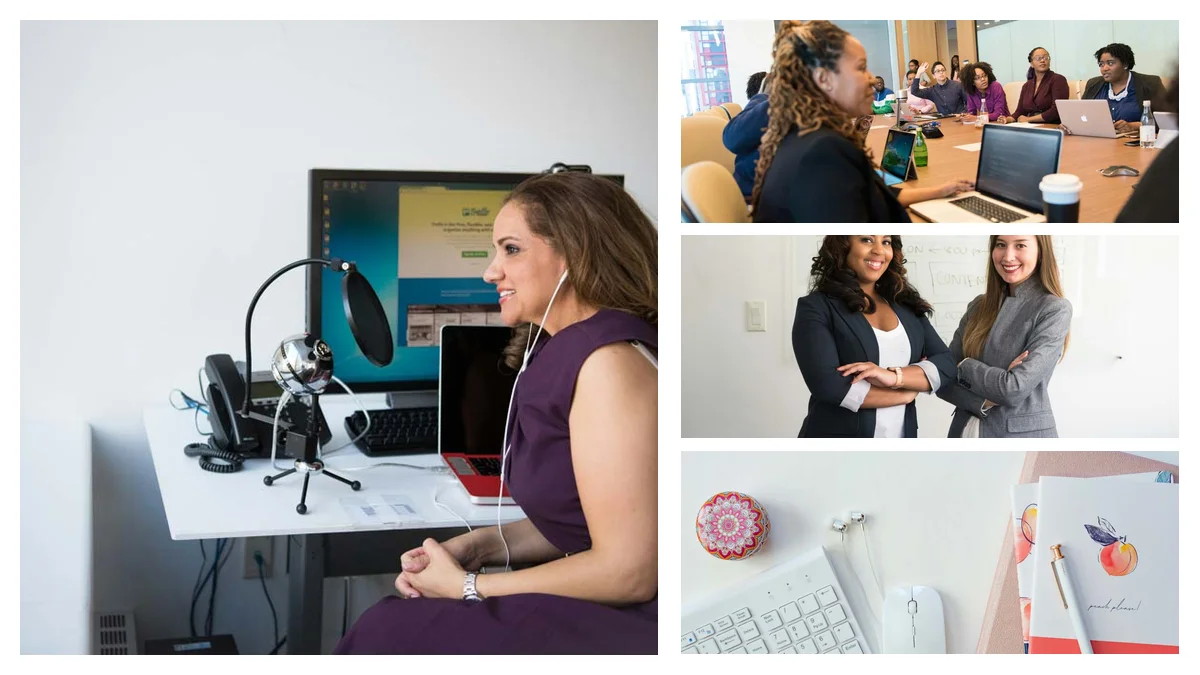
Academic Coach Interview Questions: Ace Your Next Interview
Landing an Academic Coach role requires more than just listing your qualifications. It’s about demonstrating your ability to connect with students, understand their unique learning styles, and guide them towards academic success. This article provides you with the tools to confidently answer interview questions, showcasing your skills and experience as an Academic Coach. You’ll walk away with ready-to-use scripts, a rubric for evaluating your own answers, and a clear understanding of what hiring managers are really looking for.
Here’s What You’ll Get
- A script for answering the “Tell me about a time you helped a struggling student” question, highlighting your problem-solving skills.
- A rubric for evaluating your interview answers, focusing on clarity, impact, and student-centered approach.
- A checklist to ensure you cover all key aspects of the Academic Coach role in your responses.
- Actionable strategies to demonstrate your understanding of diverse learning styles and effective coaching techniques.
- Insights into what hiring managers are really looking for beyond the standard qualifications.
- A framework for structuring your answers to showcase your experience and achievements.
What This Is and What This Isn’t
- This is: Specific guidance for Academic Coach interview preparation.
- This isn’t: A generic guide to all job interviews.
What a Hiring Manager Scans for in 15 Seconds
Hiring managers quickly assess if you understand the core responsibilities and challenges of an Academic Coach. They look for specific examples that demonstrate your ability to motivate students, address their individual needs, and track their progress.
- Student-centered approach: Do your answers focus on the student’s needs and learning style?
- Problem-solving skills: Can you identify the root cause of a student’s academic struggles and develop effective solutions?
- Communication skills: Can you explain complex concepts in a clear and concise manner?
- Motivational skills: How do you inspire students to overcome challenges and achieve their goals?
- Tracking and evaluation: How do you monitor student progress and adjust your coaching strategies accordingly?
The Mistake That Quietly Kills Candidates
Providing generic answers that lack specific examples is a major red flag. Hiring managers want to see concrete evidence of your skills and experience. Vague statements about “helping students” won’t cut it.
Use this to replace a generic statement with a specific example.
Weak: “I helped students improve their grades.”
Strong: “I helped a student struggling with Algebra 1 increase their test scores by 20% by implementing a personalized study plan and weekly check-ins.”
Answering the “Tell Me About Yourself” Question
This is your opportunity to highlight your relevant skills and experience. Focus on your passion for helping students succeed and your ability to create a positive learning environment. Tailor your response to the specific requirements of the Academic Coach role.
Use this script to answer the “Tell Me About Yourself” question.
“I’ve always been passionate about education and helping students reach their full potential. In my previous role as a [Previous Role], I worked with students of diverse backgrounds and learning styles, providing individualized support and guidance. I’m particularly skilled at [Skill 1] and [Skill 2], and I’m confident that I can make a significant contribution to your team.”
Demonstrating Your Understanding of Diverse Learning Styles
Academic Coaches need to be able to adapt their teaching methods to suit the individual needs of each student. Provide examples of how you’ve identified and accommodated different learning styles in the past.
For example, one student might be a visual learner who benefits from diagrams and charts, while another might be an auditory learner who prefers lectures and discussions. A kinesthetic learner might learn best by doing, through hands-on activities and simulations.
Highlighting Your Problem-Solving Skills
Students often seek academic coaching because they are struggling with specific challenges. Showcase your ability to identify the root cause of these challenges and develop effective solutions.
Example Scenario: A student is consistently failing their math tests. A weak Academic Coach might simply tell the student to study harder. A strong Academic Coach would investigate further, identifying the student’s specific areas of weakness (e.g., fractions, algebra) and developing a targeted study plan.
Showcasing Your Communication Skills
Clear and effective communication is essential for Academic Coaches. You need to be able to explain complex concepts in a way that students can understand, and you need to be able to provide constructive feedback.
Key Communication Strategies: Use simple language, avoid jargon, and provide real-world examples to illustrate concepts. Encourage students to ask questions and actively listen to their concerns.
Demonstrating Your Motivational Skills
Motivating students is a key aspect of the Academic Coach role. Share examples of how you’ve inspired students to overcome challenges and achieve their goals.
Motivational Techniques: Set realistic goals, provide positive reinforcement, celebrate successes, and help students develop a growth mindset.
Tracking and Evaluating Student Progress
Academic Coaches need to be able to monitor student progress and adjust their coaching strategies accordingly. Explain your methods for tracking student performance and providing feedback.
Tracking Methods: Regularly assess student understanding through quizzes, tests, and assignments. Provide timely feedback and adjust your coaching strategies based on student performance.
Handling Difficult Students
Every Academic Coach will encounter students who are resistant to help or who are struggling with behavioral issues. Describe your strategies for handling these situations.
Strategies for Handling Difficult Students: Remain calm and patient, actively listen to their concerns, set clear boundaries, and involve parents or other school staff when necessary.
Questions to Ask the Interviewer
Asking thoughtful questions demonstrates your interest in the role and your commitment to student success. Prepare a list of questions to ask the interviewer about the school’s academic coaching program, the student population, and the resources available to Academic Coaches.
Example Questions: What is the school’s philosophy on academic coaching? What are the biggest challenges facing students at this school? What resources are available to Academic Coaches to support student success?
Language Bank: Phrases That Impress
Using specific and impactful language can set you apart from other candidates. Here are some phrases that demonstrate your expertise and commitment to student success:
- “I implemented a personalized learning plan that resulted in a 20% improvement in test scores.”
- “I identified the student’s learning style and adapted my teaching methods accordingly.”
- “I provided constructive feedback that motivated the student to overcome challenges and achieve their goals.”
- “I tracked student progress and adjusted my coaching strategies to ensure optimal learning outcomes.”
- “I created a positive and supportive learning environment that fostered student engagement and motivation.”
What Strong Looks Like: A Checklist
Use this checklist to ensure your interview answers are clear, concise, and impactful.
- Focus on the student’s needs and learning style.
- Provide specific examples of your skills and experience.
- Demonstrate your understanding of diverse learning styles.
- Highlight your problem-solving skills.
- Showcase your communication skills.
- Demonstrate your motivational skills.
- Explain your methods for tracking and evaluating student progress.
- Describe your strategies for handling difficult students.
- Ask thoughtful questions about the role and the school.
Quiet Red Flags
Certain seemingly harmless statements can raise red flags for hiring managers. Avoid these phrases in your interview answers:
- “I’m a natural teacher.” (Focus on your skills and experience, not innate abilities.)
- “I’m good with kids.” (Provide specific examples of your interactions with students.)
- “I just want to help people.” (Explain your specific passion for academic coaching.)
FAQ
What are the key skills for an Academic Coach?
The key skills for an Academic Coach include strong communication, problem-solving, motivational, and organizational skills. You need to be able to connect with students, understand their individual needs, and guide them towards academic success. You also need to be able to track student progress and adjust your coaching strategies accordingly.
How do I prepare for an Academic Coach interview?
To prepare for an Academic Coach interview, research the school’s academic coaching program and the student population. Practice answering common interview questions, focusing on specific examples of your skills and experience. Prepare a list of questions to ask the interviewer. Finally, review the checklist and phrase bank provided in this article to ensure you’re presenting yourself in the best possible light.
What questions should I ask the interviewer?
You should ask questions about the school’s academic coaching program, the student population, and the resources available to Academic Coaches. You might also ask about the biggest challenges facing students at the school and how the Academic Coach role contributes to student success. Asking thoughtful questions demonstrates your interest in the role and your commitment to student success.
How do I handle the “Tell me about a time you failed” question?
When answering the “Tell me about a time you failed” question, choose a situation that is relevant to the Academic Coach role. Explain what happened, what you learned from the experience, and how you’ve applied those lessons to improve your performance. Be honest and take responsibility for your actions, but also highlight your ability to learn from mistakes.
How do I demonstrate my passion for academic coaching?
You can demonstrate your passion for academic coaching by sharing your personal experiences and motivations. Explain why you’re drawn to the role and how you believe you can make a positive impact on students’ lives. Provide specific examples of how you’ve gone above and beyond to help students succeed. Your enthusiasm and commitment will be evident in your answers.
What are the common mistakes to avoid in an Academic Coach interview?
Common mistakes to avoid in an Academic Coach interview include providing generic answers, lacking specific examples, failing to demonstrate your understanding of diverse learning styles, and neglecting to ask thoughtful questions. Review the checklist and red flags provided in this article to ensure you’re avoiding these pitfalls.
How important is it to research the school before the interview?
Researching the school before the interview is crucial. It shows that you’re genuinely interested in the role and that you’ve taken the time to understand the school’s mission, values, and student population. This knowledge will allow you to tailor your answers to the specific requirements of the position and demonstrate your commitment to student success.
What if I don’t have direct experience as an Academic Coach?
If you don’t have direct experience as an Academic Coach, highlight your relevant skills and experience from other roles. Focus on your communication, problem-solving, motivational, and organizational skills. Provide examples of how you’ve helped others learn and grow, and explain how those experiences translate to the Academic Coach role. Emphasize your passion for education and your commitment to student success.
How do I handle salary expectations during the interview?
Research the average salary for Academic Coaches in your area. Be prepared to discuss your salary expectations, but avoid being too specific until you have a better understanding of the role and the school’s compensation structure. Focus on the value you bring to the table and your commitment to student success.
What are some good follow-up questions to ask after the interview?
After the interview, send a thank-you note to the interviewer, reiterating your interest in the role and highlighting your key qualifications. You might also ask for an update on the hiring process and express your eagerness to learn more about the opportunity. Keep your follow-up brief and professional.
Is a teaching certificate required to be an academic coach?
While not always required, a teaching certificate can significantly boost your candidacy. It demonstrates a formal understanding of pedagogical principles and classroom management. However, relevant experience, a strong educational background, and a demonstrable passion for student success can often compensate for the lack of a formal teaching certificate.
What are the differences between an Academic Coach and a Tutor?
While both roles support students, an Academic Coach takes a more holistic approach, focusing on study skills, time management, and goal-setting, in addition to subject-matter assistance. A tutor typically focuses solely on helping a student understand specific course content. An Academic Coach empowers students to become independent learners, while a tutor provides more direct instruction.
More Academic Coach resources
Browse more posts and templates for Academic Coach: Academic Coach